
WHEN COMFORT MEETS SCIENCE: HOW FITFLOP IS BIOIMECHANICALLY ENGINEERING EVERYDAY SHOES
By: Prachi Khatri
Shoes are often underestimated and truly should be recognized as the foundation of every step we take; they do much more than just complete an outfit. The right kind of footwear can significantly impact our day-to-day job, whether it's the morning commute or long walks, a standing job, or sitting at the desk for long hours; the right shoe can make a noticeable difference in everyday comfort. Beyond just a statement piece of the outfit, modern shoes are now incorporated with technology that incorporates biomechanics to help ease movement throughout the day.
Every shoe serves as the groundwork of each step, and dedicated weight distribution combined with engineering technology to help absorb impact can not only ease your day but also help fight many foot-related health issues.
FitFlop, a footwear company in Canada, is building its identity around this idea of blending beauty with biomechanics. Founded in 2007, the brand combines fashion and aesthetics with biomechanical research to create shoes designed around all-day comfort. From sandals, shoes, boots, and sneakers, FitFlop offers biomechanically designed and tested footwear before it reaches the consumer market.
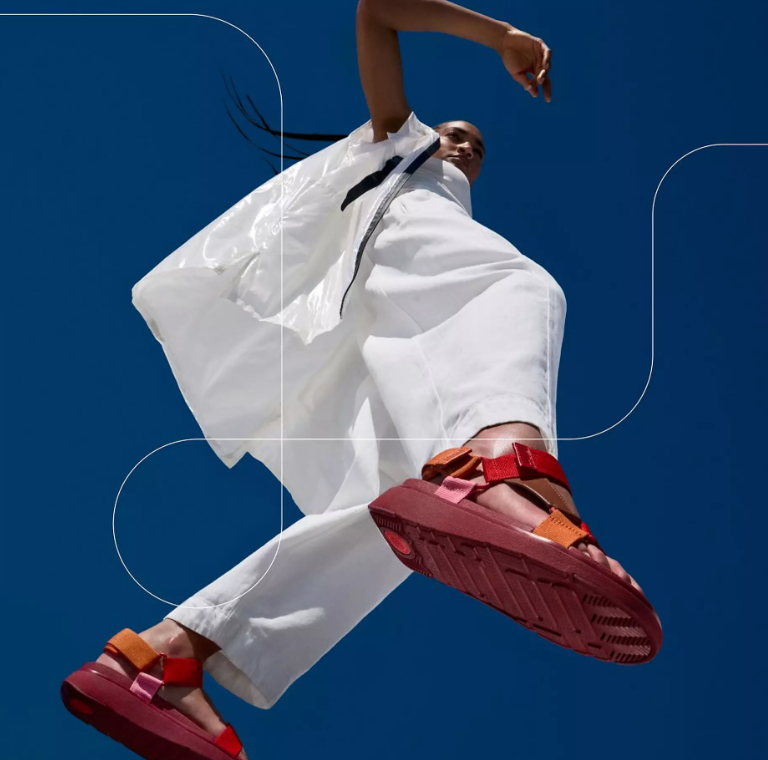
Source: FitFlop website
But what does “biomechnically engineered shoes” actually mean? Dr. Kim Lilley, in-house expert, explains biomechanics on the FitFlop website as "the study of principles behind movement and structure." It combines biology, engineering, and physics to understand the musculoskeletal system. To simply put it, it's a study of how our body moves. Biomechanics help analyze performance, rehabilitation, injury prevention, and so much more.
The choice of footwear has a huge impact on biomechanics, as different types of shoes can affect the way our feet feel when they touch the ground. A shoe can change our joint angle, activate muscles, alter our gait pattern, etc. FitFlop shoes make a difference as they enhance the natural way the foot moves, so you feel great every single time you wear them.
FitFlop uses various engineering technologies such as Neodynamics, iQushion, etc. to help distribute the pressure evenly across the foot and to have a minimal impact on the joint. The company's goal is to create comfort footwear that can be worn all day long with minimum friction.
One of the best innovations by the FitFlop brand is MicrowobbleBoard™ technology. The brand introduced it first with its Walkstar sandal by infusing the triple-density midsole with high-pressure areas. According to FitFlop, cushioning helps absorb the impact, providing a softer and supportive base that minimizes muscle exertion.
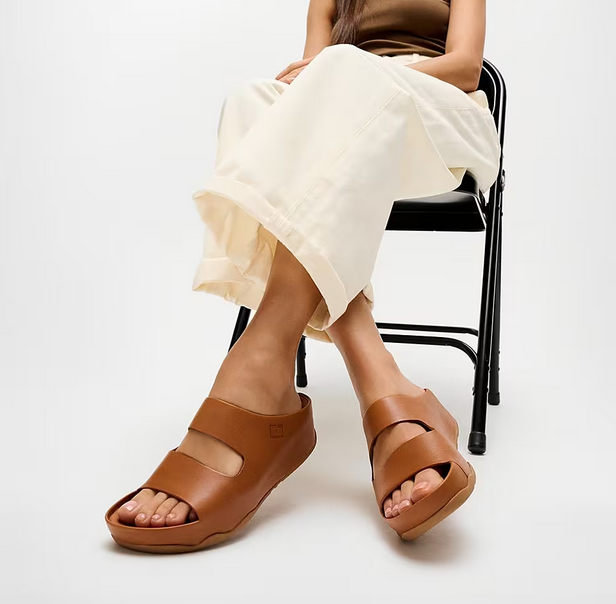
Source: FitFlop website
The collection of FitFlop biomechanically engineered sandals is not limited to one type of footwear; the brand has also incorporated them in shoes, boots, and sneakers, making them useful all year round. The other type of footwear, for example, rally sneakers, uses Anatomicush that allows feet to move freely, making them adjustable shoes.
Anatomicush is lightweight, ultra-flexible mid-sole technology that the company uses for creating trainers and casual everyday shoes. It uses engineering to mimic the natural shape of the foot and provide continuous support and comfort all day long.
Biomechanically designed footwear is beneficial to a varied range of consumers that prioritize comfort and who spend the majority of their time on their feet. Not only is this footwear useful for everyday consumers, but it can also impact buying habits and, in turn, be beneficial for the planet. Well-designed and durable footwear can potentially encourage buyers to purchase fewer replacements, ultimately positively impacting the environment.
FitFlop's strategy therefore sits at an intriguing nexus of science and fashion. The brand’s message is straightforward but relevant: comfortable footwear doesn't have to look clinical and boring. Choosing comfort should not come at the cost of sacrificing fashion. Fitflop is turning something as ordinary as walking into a design challenge by bringing the biomechanics to your step counts.