
JANUARY: HOW A NEW GENERATION OF BIPOC RUNNERS ARE REDEFINING FASHION AND PERFORMANCE
By: Prachi Khatri
Fashion has been a powerful reflection of society for many decades. However, it has not always reflected society’s full diversity. Black, Indigenous and People of Colour (BIPOC) communities have often struggled to find a place from runway to magazine covers. Opportunities for BIPOC have never been easy; they had to fight for visibility, to find the right opportunity or just to have a seat at the table.
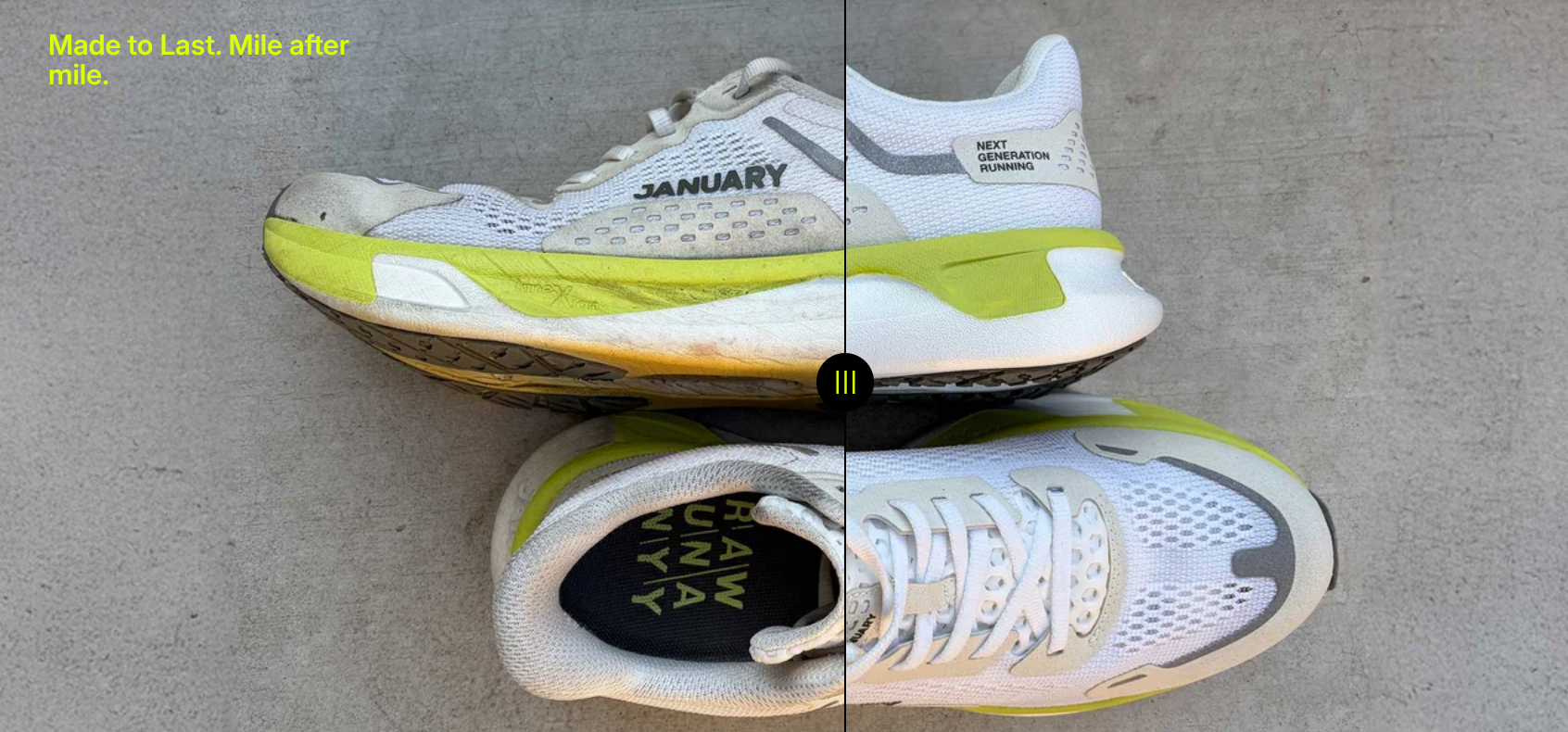
The competition for BIPOC fashion designers has never been on the same level. The fashion industry today is evolving, helping generations of designers. New entrepreneurs, no matter their background, are getting equal opportunities to showcase their talent and reshape the industry. January, a new running shoe brand that launched in July 2026, is founded by the BIPOC runners with a mission to make the industry more inclusive. The brand has launched high-performance running shoes that reflect the diversity of the world and the drive of the runners who wear them.
Source: January website
Racism and inclusion limited opportunities for Black models and fashion designers up until the twentieth century. More often than not, Black models had to rely on the publications and brands aimed specifically at the Black audience due to a lack of opportunities in the mainstream fashion industry. According to the US Department of Education website, only 23 out of the 962 advertisements featured Black models for publications from 1986 to 1988; that's only 2.4 per cent of the total industry.
Many researchers from the time have highlighted the disparity between fashion media representation and real-world consumer dynamics. The history of Black representation has been significant in the fashion industry. Pioneering figures who first challenged these boundaries play a key role in reshaping the industry to be more inclusive. Naomi Campbell, the first Black model, made an appearance in a Vogue Paris cover not until 1988.
Indigenous representation has also been growing over the years as more and more are aware of the Indigenous history and support under-represented groups. Models like Quannah Chasinghorse and many others have helped bring indigenous identity to the world stage, demonstrating fashion can be influenced by cultures and industry creatives from all backgrounds.
Source: January website
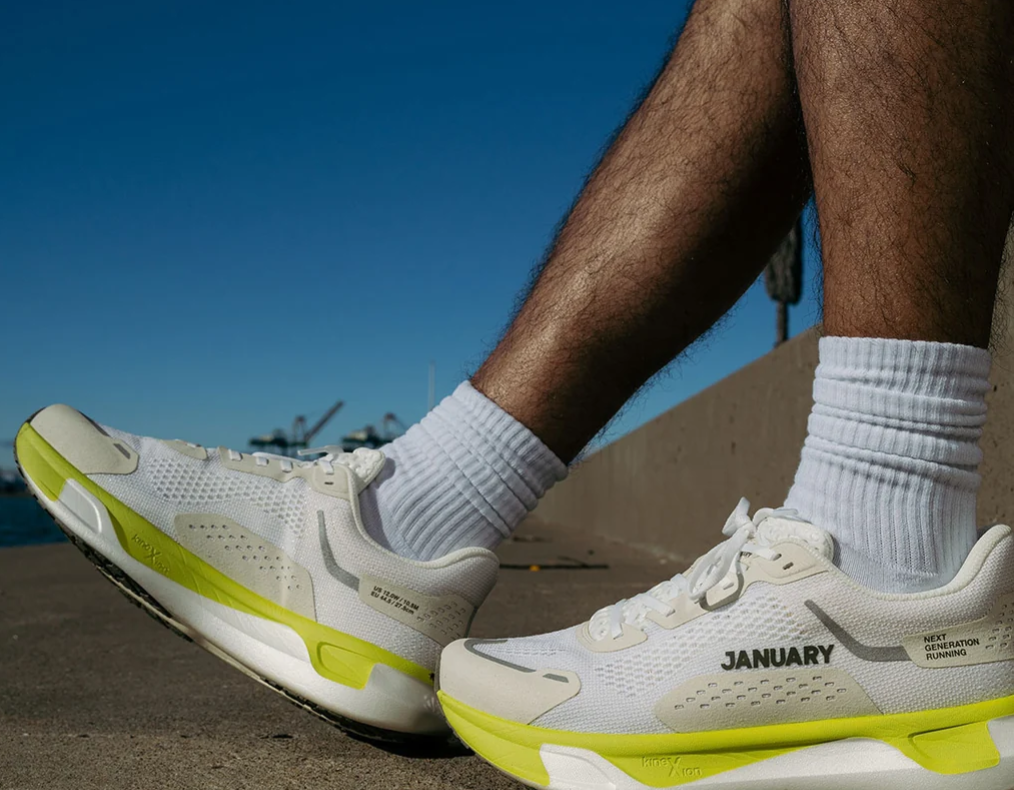
JANUARY is taking on the challenge to represent the under-represented groups via its athletic shoes. Even though running has been practised by people for centuries for fitness, it has seen a relatively narrow image of athletes. BIPOC-led brands and communities have, however, challenged this image. Founded by Wei-En Chang and Cheryln Quan-Read, JANUARY describes itself as a women-founded BIPOC company. The brand is built around the idea of “next generation running”, built on the objective to make running more accessible, welcoming and diverse regardless of gender background or people’s identity.
Chang is a global footwear veteran who worked as a footwear design director for the skate brand DC Shoes. The company named the brand after the month of January, as the founder, Chang, was born in that month, and the name embodies a fresh start and unlocking potential. Apart from being rooted in inclusivity, it uses biomechanical technology to make shoes with dual-density midsoles that make the heel plush for landing and keep the forefoot firm.
Moreover, the nylon shank in its shoes provides a stable and smooth ride for daily training, reducing chances of injury for athletes. The brand’s debut shoes, Scignal, use KineXion technology that provides versatile performance for a broad range of runners and greater responsiveness in the forefoot.
Supporting BIPOC-founded businesses can help create more opportunities for other under-represented groups, entrepreneurs and designers, as consumers have the opportunity to understand what the products are made of, the stories behind them and learn from the experiences of those who made them.
As fashion continues to evolve, supporting brands by under-represented groups is more than just a purchasing decision; it's a meaningful day to encourage creativity, vision and talents from all walks of life, where only the true creatives win and not just those who have historically been given the spotlight.