
MORI AND LITTLELOOP: GIVING KIDSWEAR A SECOND LIFE
By: Prachi Khatri
Kids grow quickly, and a sleepsuit that fits perfectly for a month might be too short the next. That favourite jumper may look brand new but is outgrown within weeks. This particular challenge of children's wear has created an opportunity for a more circular approach to fashion. The one that keeps good-quality clothing in use for longer.
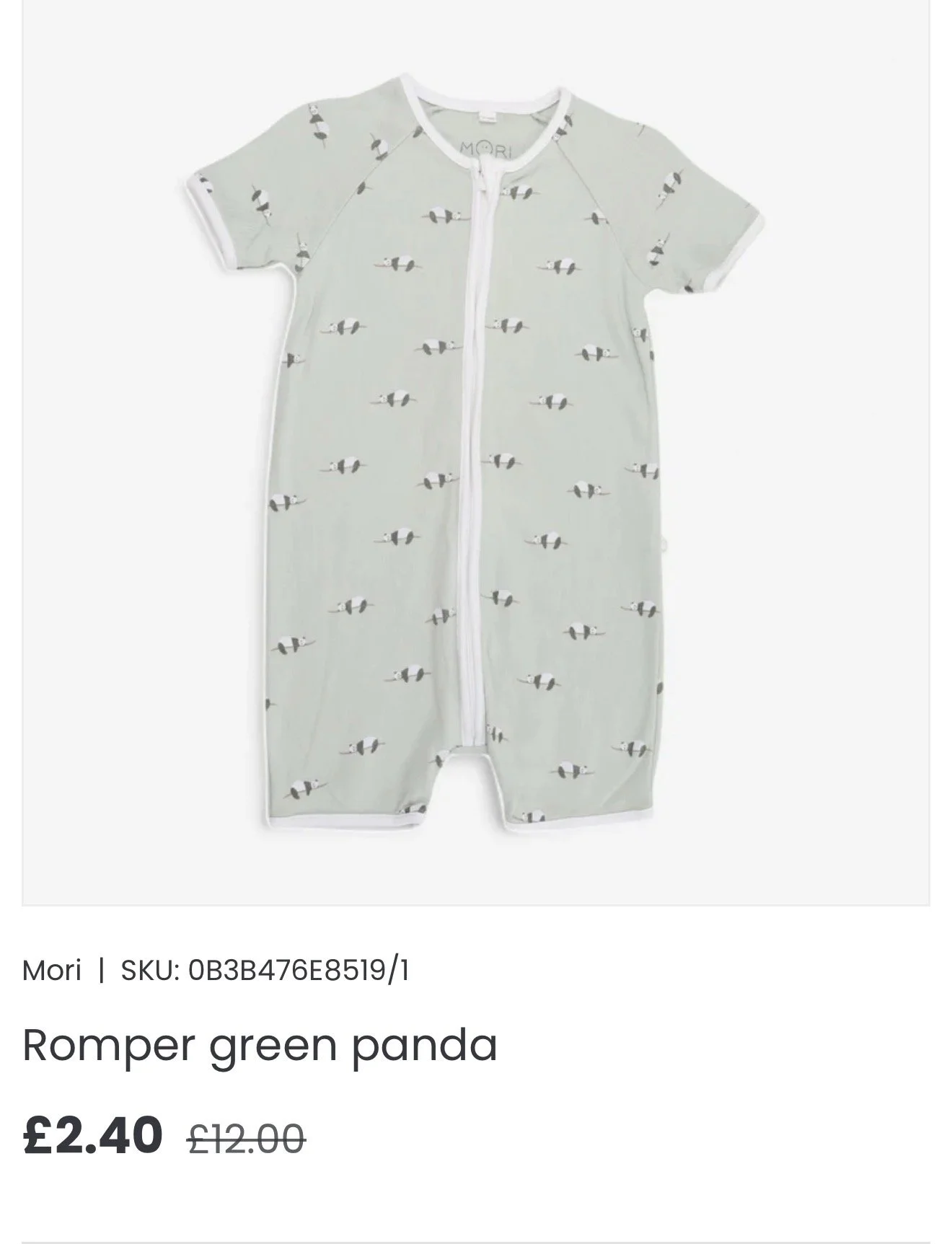
Childrenswear and British baby brand MORI are embracing this idea through a collaboration with Littleloop, a pre-loved childrenswear platform. The collaboration makes it easier for parents to resell outgrown MORI and KIDLY pieces rather than letting them go unused in wardrobes or getting discarded and filling up the waste stream.
Source: Mori’s website
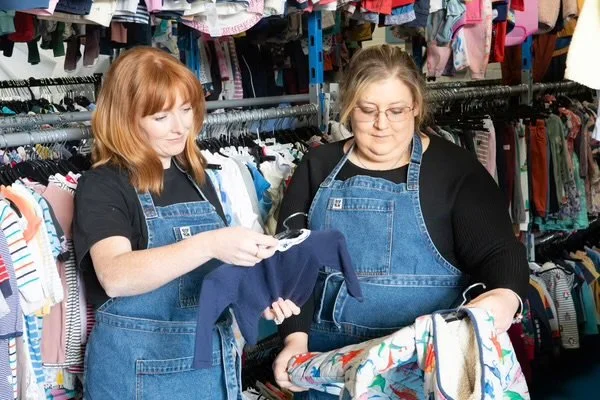
Littleloop is a sustainable fashion platform known for shared wardrobe and resale service for kids clothing. Parents can rent high-quality kids' clothing through the platform and return it as kids outgrow it, keeping the garment in circulation rather than purchasing it from a retail store. Partnering with Littleloop brands like MORI offers integrated take-back and resale schemes, letting consumers trade children’s clothes for pre-loved items or brand vouchers. Customers can trade eligible items through the Littleloop website to receive MORI credit or a new MORI-style purchase. The resale platform Littleloop handles all the operations from time assessment to photography, listing, selling, shipping and making resale easier for its consumers.
According to the United Nations Environment Programme, an estimated 92 million tonnes of textile waste are produced every year globally. According to the United Nations Environment Programme, clothing production has doubled from 2000 to 2015, while fast fashion consumption has only accelerated. A recent lifecycle analysis suggests that fast fashion garments are now only worn 7 to 10 times before being discarded or pushed back into the closets.
The problem is not just visible in closets but also in landfills. According to the US Environmental Protection Agency, around 17 million tonnes of textiles entered the municipal waste stream in 2018, and 11.3 million tonnes were sent to landfills. Less than 1% of material used to produce clothing is recycled back into new apparel. These numbers suggest why resale matters in the present time more than ever. Even though recycling is important, it's also important to understand that wearing clothes for longer can help protect our environment.
Source: Mori’s website
Keeping clothes for longer may work for adults, but kids outgrow clothes quickly, and hence, resale platforms are most powerful for this kids category. Instead of the child's outgrown MORI garment ending up in landfills, it came to another family to extend the usefulness of the material and keep its life longer. A pre-owned piece of cloth can help save 1 kg of waste and 3040 litres of water, as per the research from the Ellen MacArthur Foundation.
Pre-loved clothes are not only a budget alternative but also a smarter way of consumption. MORI’s partnership with Littleloop reflects this shift by building resale directly into the consumer journey. The trade-in credit can be used to buy brand new MORI items, or to shop for pre-loved items on Littleloop or spend with partner brands. The flexibility of being able to use the platform in multiple ways attracts more parents towards the circular approach. Users can select the item they want to sell via MORI preloved and receive a free shipping label to send the time to be processed. As soon as Littleloop processes the item, consumers get instant credit to make purchases on MORI or KIDLY or to use them with brand partners.
The MORI x Littleloop partnership has found 43% of consumers now buy baby clothes second-hand. The ultimate goal is to keep the garments' lifecycle longer by reuse, resale, repair and recycling. For children’s clothes — where outgrowing is inevitable but wear-and-tear is not — that could be one of the simplest ways to make fashion a little less wasteful.-