
SUSTAINABLE STYLE ON THE SLOPES: ECO-CONSCIOUS SKI &. SNOWBOARD BRANDS TO KNOW
By: Prachi Khatri
High above the tree line, where style meets sub-zero temperatures, a quiet shift is taking place. The slopes, which have been long dominated by logos, neon shells, and performance-at-any-cost design are being re-imagined through a more conscious lens. Today’s slope experience is all about being conscious of the climate, the effects of the environment, and the decisions we take before putting on ski shoes and snowboards. Eco-conscious consumerism is both a moral requirement and a fashion statement.
One may wonder how the environment is connected to skiing or snowboarding, but choices we make before strapping on our snowboards or ski shoes are directly connected to our planet. Climate is reshaping winter culture, causing it to become the fastest-warming season. Shorter winters, fewer freezing nights, and an overall global average increase in temperature by 1.3 degrees Celsius to 1.6 degrees Celsius are signs of global warming. If the current emission trend continues, ski season in some regions is going to be significantly shorter. As per the data from Earth.org, it could be shorter by 27-62 days in some parts of the U.S.
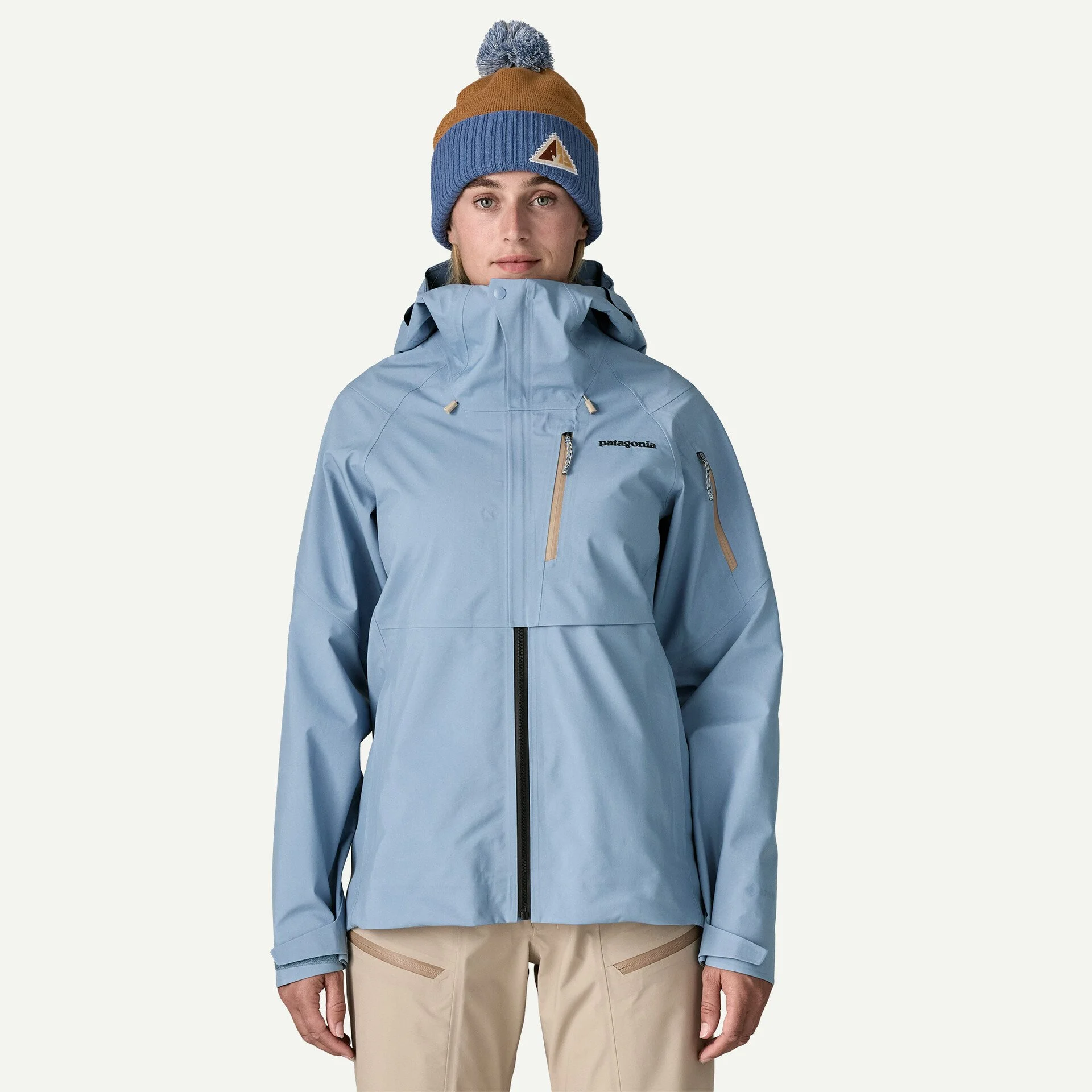
Source: Patagonia website
The projected operational vulnerability indicates 98% of European ski resorts are at risk of insufficient snow supply. Winter gear often uses polyester, nylon, and fleece, commonly used petroleum-based fabrics that are associated with global carbon dioxide emissions. As these fabrics are derived from nonrenewable fossil fuels like crude oil, production is energy intensive and full of chemicals. Volatile greenhouse gases are released in the process of polluting our airways, waterways, and ecosystem.
Choosing sustainability might seem challenging when there is little awareness about the brands and how they use sustainable practices for their ski and snowboarding gear. The brands below are making sustainable ski/snowboarding equipment and reshaping this industry with their eco-conscious gear.
Patagonia is the most popular brand and industry leader with its ethical manufacturing and repair initiatives to prolong the life of a garment. The products are made from recycled material, are durable, and are great for layers. The brand has eliminated PFAS from a major portion of its line and is the only one to do so for ski/snowboarding clothing. Products range from $25 USD to $650 USD.
Sweden brands Montec and Dope Snow are two other brands to follow stringent ecological requirements. Both brands are part of the Bluesign system partners, meaning they follow strict supply chain guidelines, taking the environment into account. Their products are made with recycled polyester, reducing significant wastage.
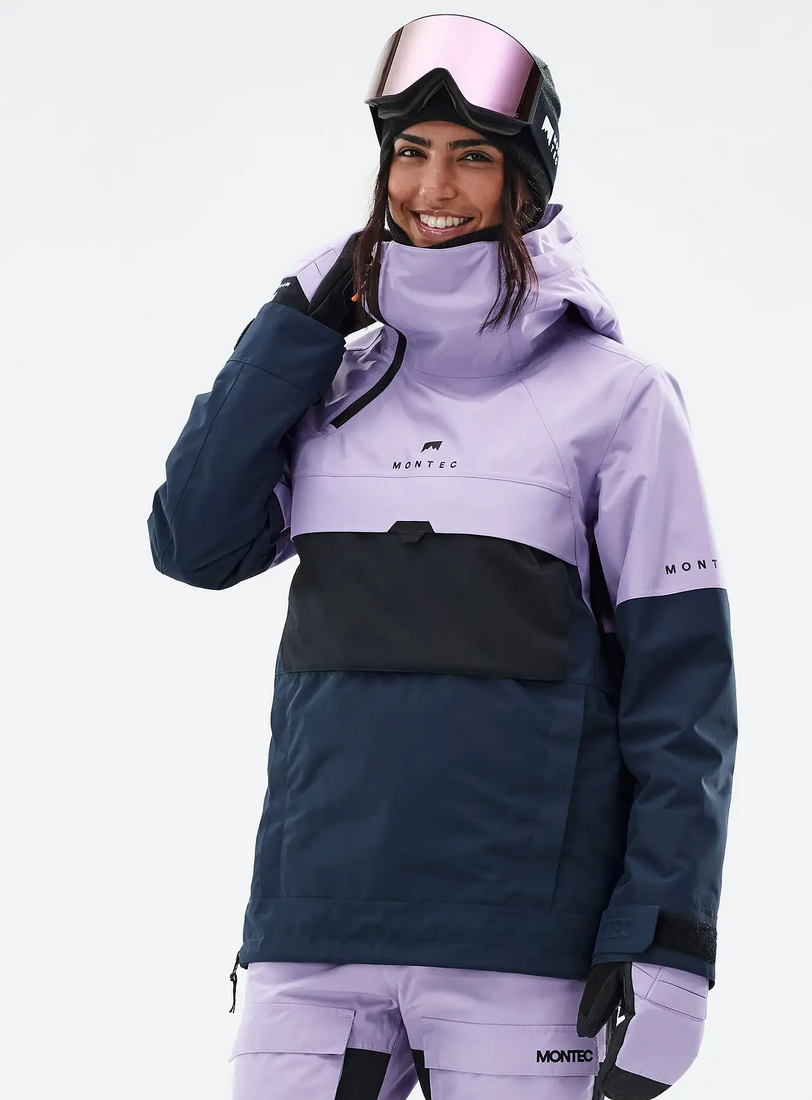
Source: Montec Website
Other brands like Icebreaker, Burton, and Volcom also offer sustainable options to skiers and snowboarders with their wool-based clothes that are odor resistant and traceable to the source. Traditional brands like Arc’teryx are also moving towards greener options with refurbished gear to encourage secondhand use.
For a conscious snow wardrobe, think quality over quantity. There are many small labels like “Ski the East” and mainstream labels like “The North Face” with Thermo products at costs lower than premium options. Sustainable gear offers value for many seasons. So it's not choosing the most trendy color every season but reducing the cycle of continuous purchase. Investing in one good piece that lasts a lifetime will always overpower buying cheap gear every season.
It's not choosing the sustainable brands but choosing the transparent supply chain, limiting the urge to buy, and taking care of the items already owned. Repair ski/snowboarding equipment where possible to extend the wear and help reduce carbon emissions. Buy secondhand gear to cut down on consumption.
Skiing and snowboarding are the best ways to enjoy the beauty of winter. So, next time you hit the slope, remember that our planet is suffering, and we must do good for the mountains we cherish.
Cover Image: Karsten Winegeart / @karsten116