
FROM DONATION BIN TO GLOBAL MARKET: THE HIDDEN JOURNEY OF SECONDHAND CLOTHING
By: Prachi Khatri
Have you ever wondered what happens to your clothes after donation? After a good purge, it is usually out of sight, out of mind. As per industry data, only 10-30% of donated clothing items end up in local thrift stores, so what happens to most of them?
The reality of the secondhand clothing market is far less hopeful than many imagine. Most donated garments are either shipped overseas or ultimately discarded in landfills, with nearly three-quarters never finding a second life. Each weekend, millions of people in developed countries fill bags with old T-shirts, sweaters, hoodies, and jeans, dropping them into donation bins under the assumption that someone in need will wear them. In reality, much of this clothing contributes to environmental harm, adding strain to already overburdened waste systems and ecosystems.
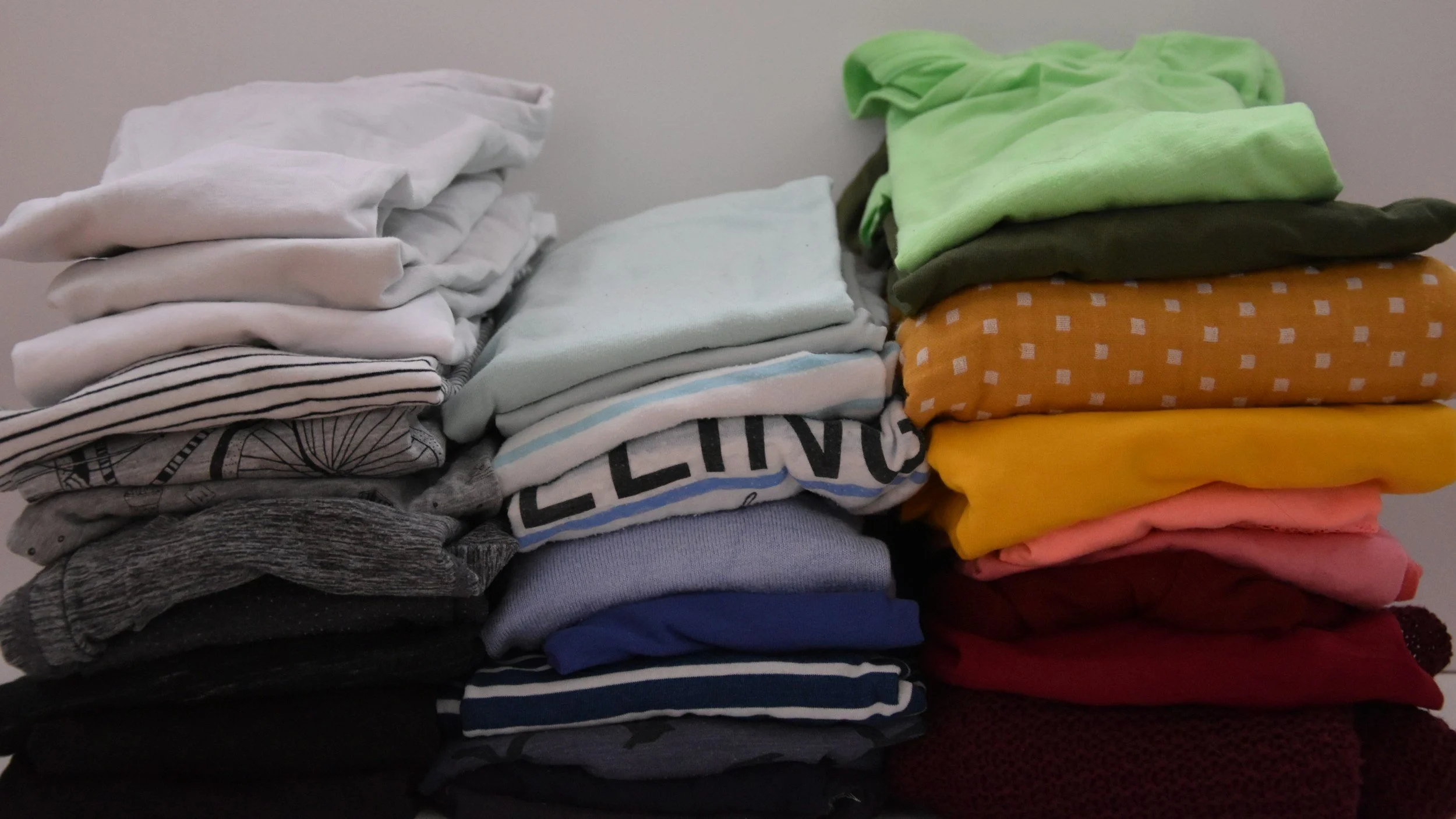
Source: Ariane Frei / @ariane_977
Secondhand clothes are typically sorted after donation but only garments near perfect end up on racks. The resale clothing market reached approximately $77 billion in 2025, growing faster than the new clothing market, and only 1% of textiles are recycled into new clothes. A thrift store employee in Toronto, Aftab Runi, explains “any items that have flaws or appear to be outdated are removed altogether from aisles after a few weeks to make room for new items as they arrive. Often donated clothes don’t end up in the store and are discharged altogether.”
Aftab describes a typical lifecycle of donated clothes as “boutique, store, recycle, dump.” The majority of the pieces that do not find homes in local shops end up in secondhand markets and with textile buyers abroad. Millions of pounds of secondhand clothes are exported worldwide from developed countries to developing nations, partly due to the inability of local thrift stores to handle such volume and partly for the profitability of bulk resale.
Approximately 150 to 200 tonnes of secondhand textiles are dumped or burned in Kenya daily. Ghana’s Kantamanto market receives 15 million used garments per week from Western donations. A small portion of this is being sold by vendors in local markets, however the majority of these imported garments are waste that ends up on streets or in landfills. Though these clothes create jobs for local vendors and tailors, they are also overwhelming local markets.

So what can we do differently? We can reduce textile waste by 85% simply from adapting to circularity, buying less, and prioritizing durability. There are many ways we can play our part to reduce clothing wastage, and it starts with our own wardrobes. Buy less — but buy better. Focus on quality over quantity to help reduce the production demand and cut off wastage. It is a simple solution but has a big impact on our planet.
Durable, well-made clothing can be worn for years and even passed down to loved ones. What we choose to buy—and how we care for it—has a significant impact on the planet. As consumers, we have the power to influence change by extending the life of our wardrobes. Repurposing worn-out garments as cleaning rags maximizes their use, while prioritizing recyclable, low-impact materials helps reduce environmental harm. Mending and repairing clothing keeps it in circulation longer and plays a meaningful role in reducing waste.
Donating clothing is still better than discarding it in the trash but this still does not help with waste generated by the fashion industry. The fact that a large portion of our donated clothing ends up in low-value recycle streams makes us rethink secondhand use. As customers we can help by donating wearable clothes and cutting back on purchases. So next time you purchase an item, ask yourself, “do I really need this?”
Source: Serenay Tosun / @serenaytosun