
OPEN STYLE LAB IS RE-THINKING WHAT IT MEANS TO BE ACCESSIBLE
By: Erica Commisso
Open Style Lab has one mission: to make life more inclusive and accessible for everyone. But, under that umbrella, there are a lot of different missions and projects. Which requires research, partnerships, collaborations, and a variety of other ways to make life more accessible for everyone.
The concept came from the realization of a need. “We look at subjects that maybe are not being tackled, that the community really cares about,” says executive director Yasmin Keats. “We look at a mix of what the community needs, what's already out there, where are gaps or places that we could raise awareness.”
Source: Open Style Lab
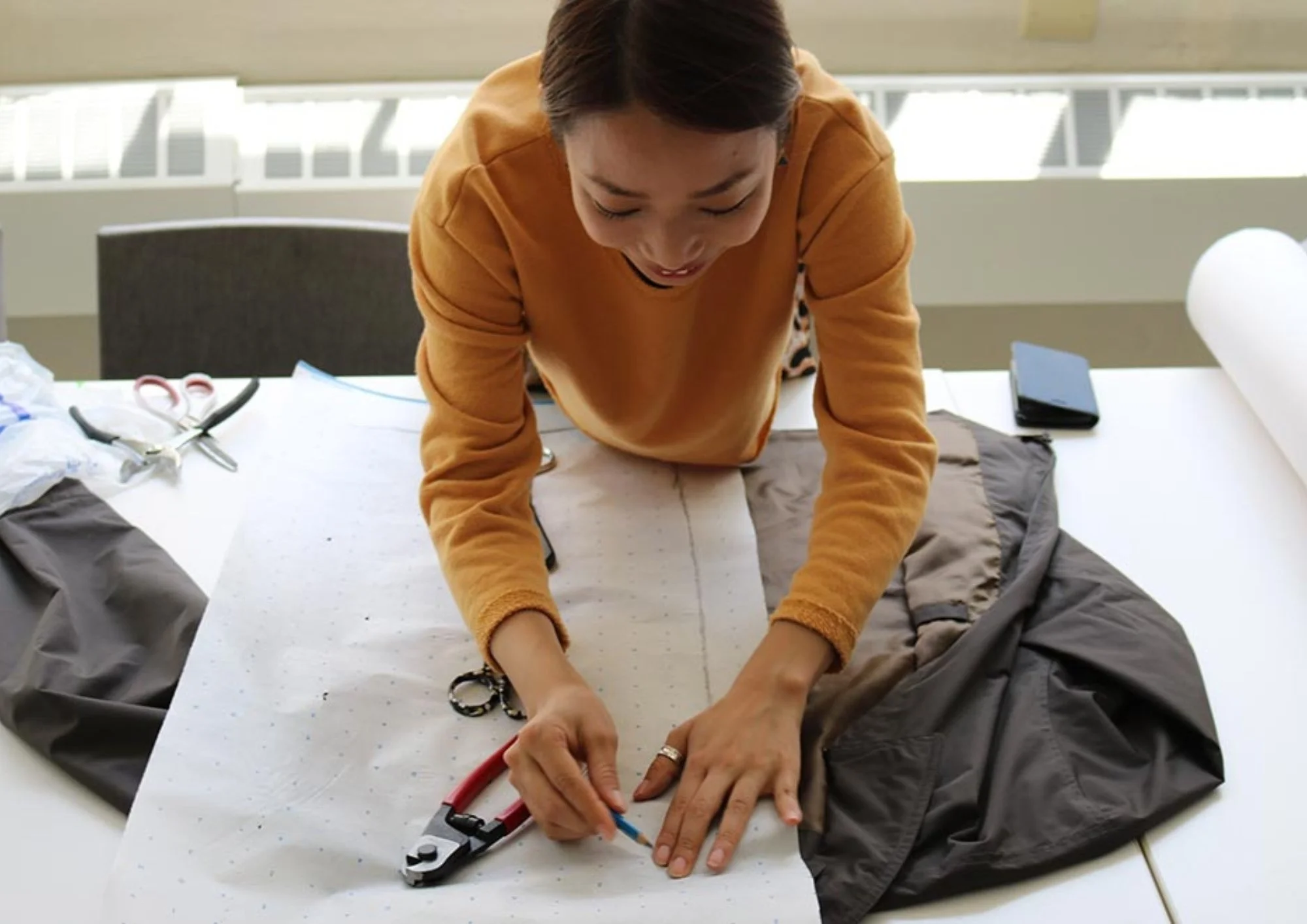
Open Style Lab intervenes to research, teach and develop accessibility ideas because virtually no one else is. “It's just something not taught in university. There are a few, but it's very rarely designing with people with disabilities,” Keats says. “Ten years ago, it was really novel. But not only that, bringing in different disciplines to focus on it, I think what makes us special is that we're not just looking at designers, we're looking at occupational therapists and engineers, and, you know, different people with different ways of thinking coming together to solve problems in a really solution-based, positive and style-focused way. That makes this area exciting.”
Keats says that Open Style Lab has spent the last three years hyperfocused on revolutionizing the footwear game, working with brands like Macy’s and Steve Madden thanks to their respective grant programs. But as the calendar turns, Keats says the focus in 2026 - at least in the fashion part of the non-profit - is on formalwear. And the key, Keats says, is areas of focus. To do that, Open Style Lab has different teams work on a specific project with a disabled fellow to solve a problem, operating with a solution-based design ethos.
“We always do try to do, like, you design for one and then extend it out. Because otherwise, if you try to solve every single disability, you're not going to solve any one of them.So, for example, two years ago, it was on footwear. And then last year, we did an accessible footwear kit,” Keats says. “Instead of one footwear for one person, it was bringing all of what we learned in three years and creating a kit that people could use to adapt existing footwear. I love a kit because it's educational. It gives empowerment to the user and allows you to take control.”
Source: Open Style Lab
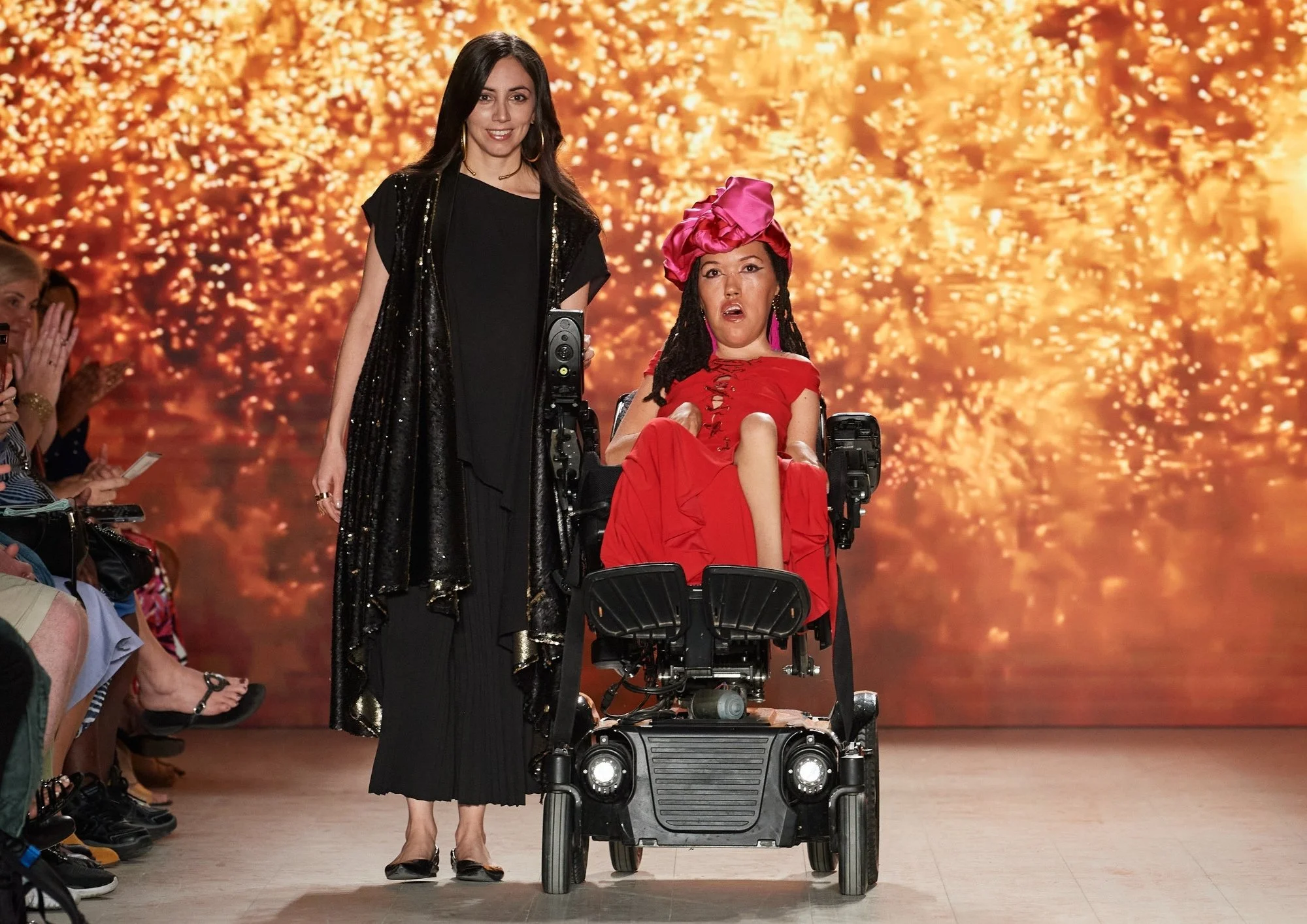
And people are taking notice - London’s V&A Museum put on an exhibition of Open Style Lab’s work, and its founder, Grace Jun, was named a Vogue Business 2025 Innovator, and her women-led team, half of which have disabilities themselves, has led workshops, implemented programs, and generated key research to make several industries, from tech to HR to fashion, more accessible. But the work continues.
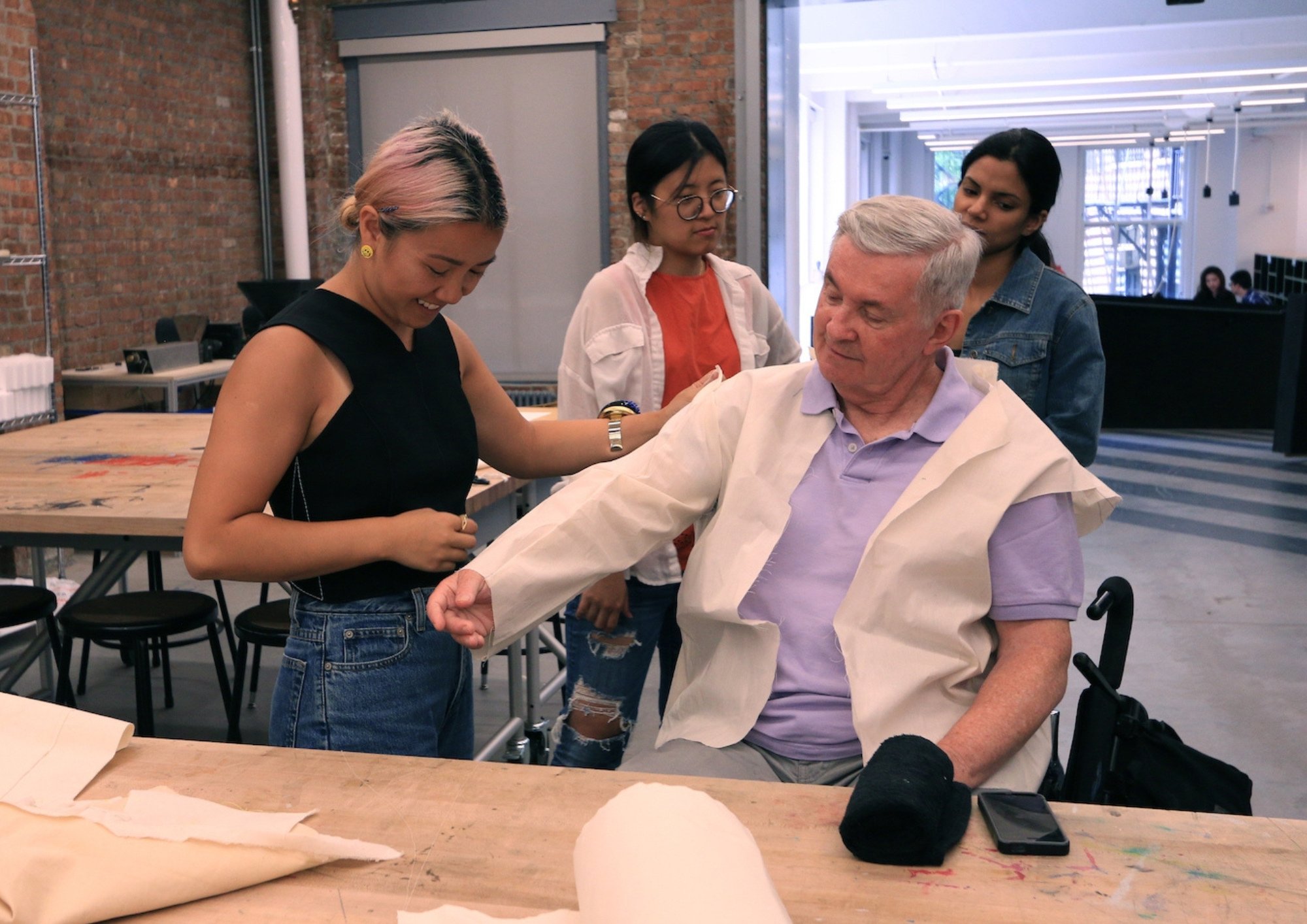
“In the next 10 years, we want to see more people with disabilities as designers. And the feedback that we’ve gotten includes quotes like ‘You made me realize I could be more than just a user tester,’” Keats says. “Or, you know, 30% of our fellows change career course within a year of taking the program, and 70% came back as mentors. So I think the depth of change that we're creating on the different fellows or people that go through our programs has been beautiful to see.”
Source: Open Style Lab
Open Style Labs’ efforts are work done behind the scenes, projects and ideas implemented to make life easier in every aspect of life. “I think you come to us when you're doing the work behind the scenes, not in front,” Keats explains. “We have helped with campaigns and things, but our real thing is, how do we create culture change or change mindset of designers, or retrain teams and and help you do this process from the back end?”
A good place to start, Keats explains, is by realizing that everyone is affected by disability at some point in their lives, be it visible or invisible. “Having challenges with our body or our mind is such a human thing,” she says. “Once you start getting into this space, I think it touches on what it means to be human, and you start to understand life in a different way, for yourself, your peers, and you'll be surprised by how many people relate, even if they don't realize they do yet.”