
THE EUROPEAN UNION’S BOLD MOVE TO BAN THE DESTRUCTION OF UNSOLD GARMENTS
-By: Hillary LeBlanc
As brands look to better their operations and standards to meet environmental requirements set by government officials, brands must always consider what to do with excess waste. Many brands aim at reducing the amount of waste. Many brands reduce the price of unsold stock, host warehouse sales, and find ways to recuperate as much cost as possible. Despite this, throughout the years brands have been caught destroying products unsold, especially in luxury brands. In 2018, Burberry was caught burning bags, clothes and perfume worth millions of dollars. Chanel has also been accused of destroying between ten thousand and twenty thousand goods annually. To avoid this detrimental impact to the environment, the European Union is banning the destruction of unsold goods.

The new rules would require businesses to prioritise keeping products in use by selling them or preparing them for reuse. For the first time in the European Union, the Ecodesign for Sustainable Products Regulation has introduced measures to address this wasteful practice. The Ecodesign for Sustainable Products Regulation informs the European Union’s approach to more environmentally sustainable and circular products. Knowing that products and the way we use them significantly impact the environment, consumption in the European Union can be a major cause of climate change and pollution. The Ecodesign for Sustainable Products Regulation is central to allowing the European Union to achieve sustainability goals developed in the 2020 Circular Economy Action Plan and encouraging the transition to a circular, sustainable, and competitive economy. These goals will help the European Union reach its environmental and climate goals, double the circularity rate of material use and achieve energy efficiency targets by 2030.
The Ecodesign for Sustainable Products Regulation has introduced this ban on the destruction of unsold textiles and footwear in hopes of opening a way for similar bans in other sectors should it be determined that it is needed. The ban will work by requiring large companies across all product sectors to share their annual information on unsold consumer products on their website, including the number of items and weight of products they discard. They will also need to disclose the reasons for discarding any items they have chosen to toss. By 2030, the EU aims to have medium-sized companies following the same measure.
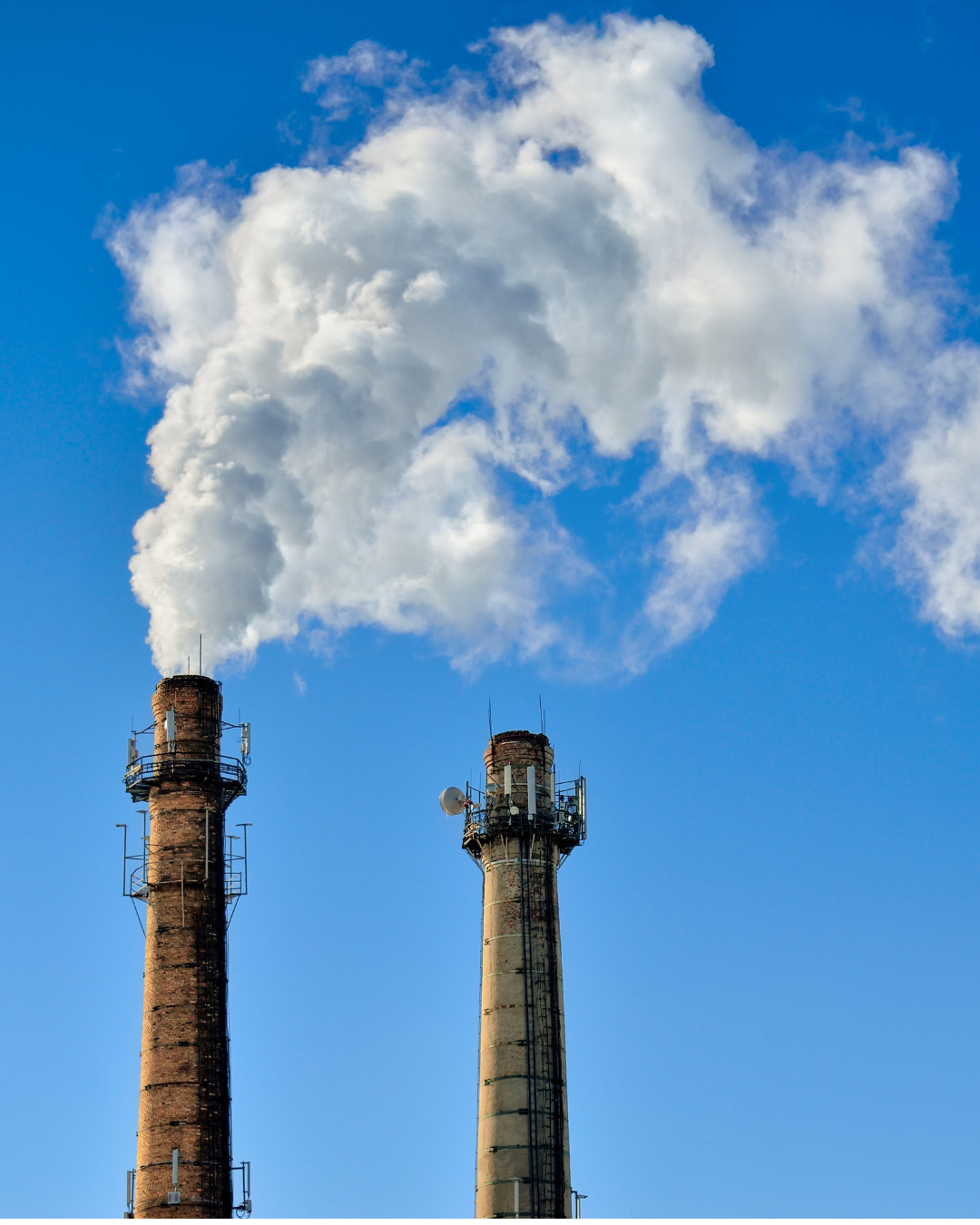
The harm caused by destroying unused goods is vast. Not only is there the waste of valuable products but the other consideration is the waste of the resources used to make them. For each discarded item there is the loss of raw materials, water, energy and labour invested in the product creation. Furthermore, the destruction itself generates avoidable greenhouse gas emissions.
Businesses do have a few options when it comes to the use of their items. Of course brands would ideally sell their items, and as mentioned above they may consider discounts or alternative means to achieve those sales. Brands may also consider donating to charities or social enterprises or find ways to repair, refurbish or remanufacture items as a way to reuse goods. The ban on destruction of goods will not apply in limited cases, like if an item has been deemed unsafe or damaged. Brands may also destroy items if they are counterfeit, infringing on intellectual property rights or have been rejected by charities or donation locations. Any destruction of goods must also be done in accordance with the waste treatment hierarchy, giving priority to recycling. Brands will need to prove through documents or test results why items needed to be discarded and will need to produce annual reports on what they did discard.
These new rules around product destruction will be enforced by national authorities. The authorities will check the compliance of brands and can impose fines for any violations.