
WHY ADAPTIVE FASHION SHOULDN’T LOOK ADAPTIVE: UNHIDDEN RE-DEFINING INCLUSIVE STYLE
By: Prachi Khatri
Adaptive fashion is far from a niche. According to the data by the World Health Organization, 1.3 billion people worldwide experience significant disability—that's 16% of the global population. These numbers represent a substantial population whose needs have been overlooked for a long time in product design.
Fashion is meant to celebrate individuality, yet many still struggle to find clothes that accommodate their bodies without compromising on the style. British brand Unhidden is challenging this exclusion, proving to be the first disabled-owned and universally designed brand that has fashion for all. The brand is showing the world that accessibility and aesthetics can go hand in hand. The fashion industry is still behind in catching up with adaptive fashion as disabled people struggle to find the right clothes for many occasions, like dressing up for an interview or attending a friend’s wedding.
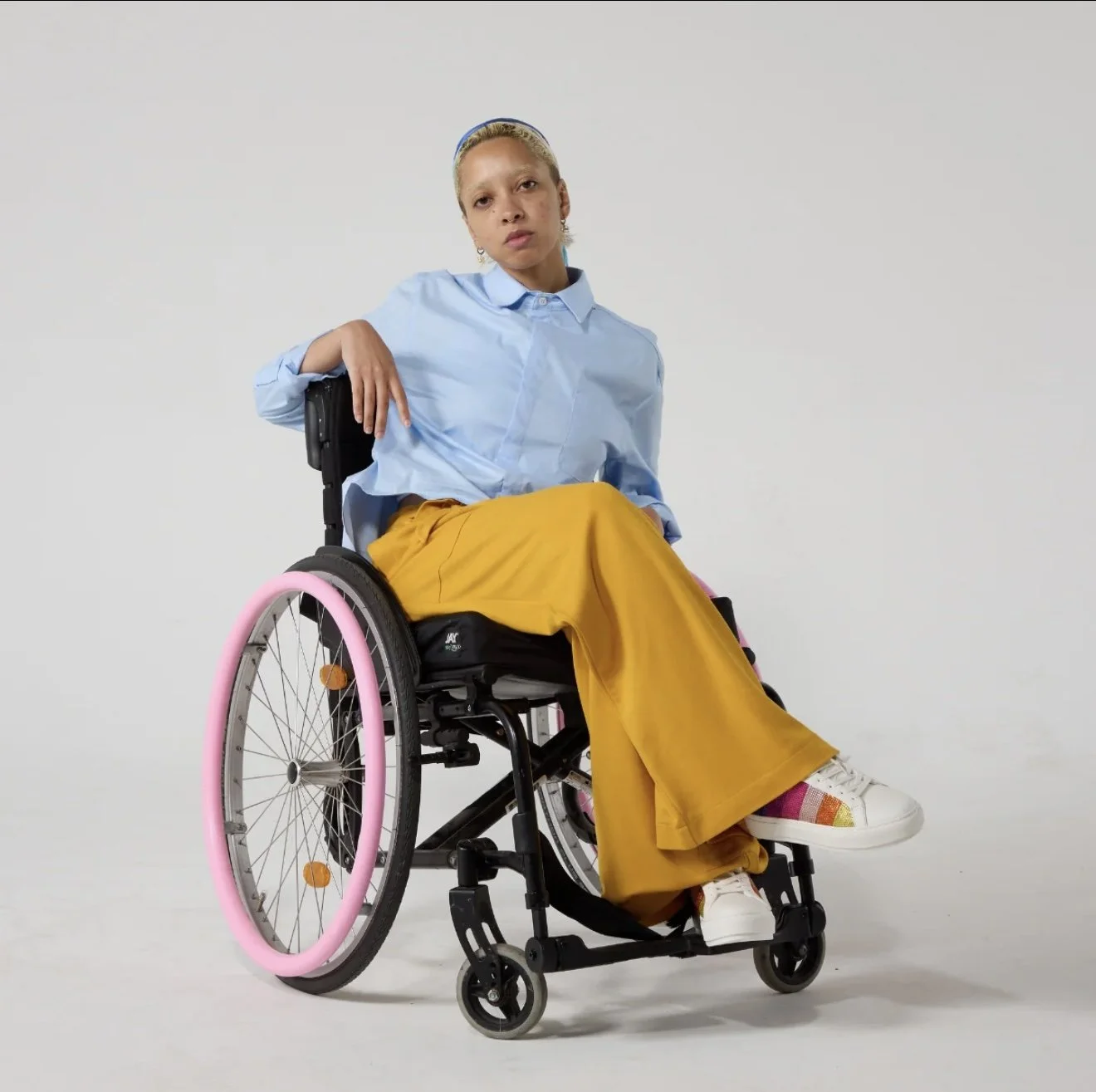
Source: https://unhidden.com/collections
For years, fashion has been largely designed around an assumed standard body type, with little consideration for people who use wheelchairs or live with chronic disorders or medical devices plugged in. Standard clothes are difficult to wear for people with limited mobility. For these consumers, getting dressed can be difficult due to the discomfort involved in fastening, zipping, uncomfortable material, etc., a compromise that many usual shoppers rarely have to consider.
Unhidden is an award-winning, adaptive fashion brand founded by Victoria Jenkins, one of the leading UK adaptive fashion experts. After a life-altering surgery in her 20s herself, Jenkins experienced the limitation of clothing choice, leaving her feeling like style and dignity are secondary concerns. Jenkins went on a mission to make adaptive fashion for everyone using her knowledge and expertise without compromising on the style.
The mission of the brand is to make clothing designed with features that make dressing easier for anyone receiving treatment, with limited movement or just for everyone's use. Magnetic fastening, openings around arms to help anyone receiving treatment, adjustable waistbands, and softer fabrics can transform everyday dressing. However, adaptive fashion has been associated with clinically looking garments more than contemporary fashion. There hasn't been much attention to the designs in inclusive fashion.
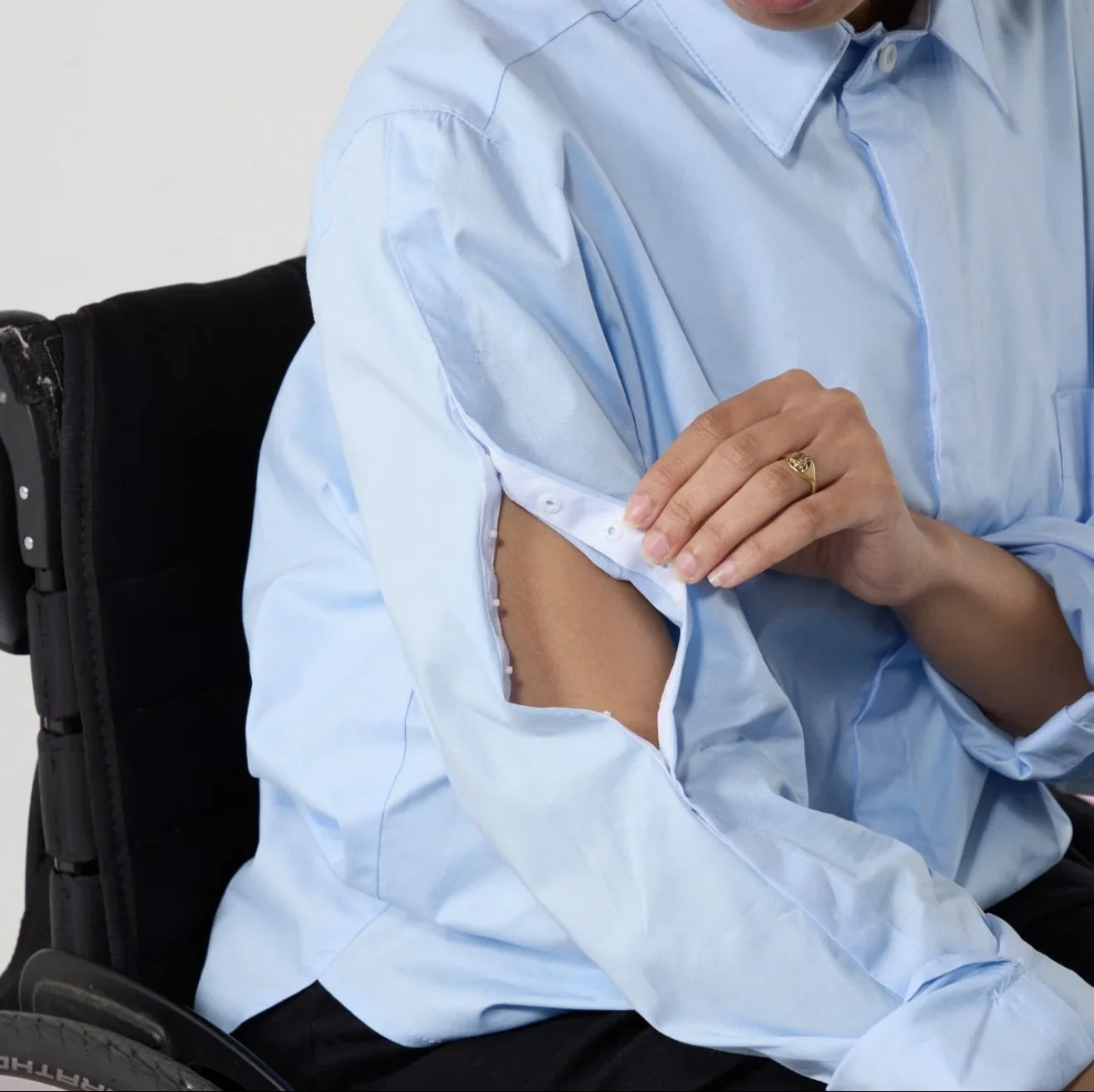
Source: https://unhidden.com/collections
Unhidden design garments with partial adaptations, such as openings around arms in shorts that can be worn as a style and unbuttoned if receiving medical treatment without having to take off the shirt. The brand has retained silhouettes, colossi, and details associated with mainstream fashion. The brand's collection includes clothing for wheelchair users or those who have news access to stoma bags or medical lines.
A discreet zip can provide medical access without changing the appearance of an entire outfit. The band has become the first adaptive fashion line to join the British Fashion Council and presented a collection in London Fashion Week, bringing adaptive design to mainstream conversations.
The fashion industry must start to focus on how fashion is designed from the beginning rather than as a separate category of clothing. Easier closures and a comfortable fit can make clothing more practical, whether it's for disabled community members, pregnant women, or anyone who struggles with conventional fits due to fastening or uncomfortable fabric. When accessible designs are incorporated into mainstream collections, inclusivity becomes part of everyday shopping, and it expands consumer choice to help reduce stigma associated with adaptive fashion.
Unhidden inspires other brands in the fashion industry to think of fashion as an approach to accommodate different bodies and needs without defining people by their limitations. Adaptive fashion should not have to be labelled as "adaptive"; it should allow people to choose because they love the design, feel comfortable wearing it, and can use it irrespective of any body limitation.
Fashion should be about identity and self-expression and not restricted to the boundaries of adaptability and inclusivity. It should allow everyone to be a part of it without having to choose between looking good or feeling comfortable.