
HOW A UK CHARITY PROVIDES AFFORDABLE CLOTHING ALTERATIONS AND BESPOKE ADAPTATION ALTERATIONS TO CREATE INCLUSIVE FASHION
By: Erica Commisso
The team at Dressability understands that accessibility and clothing that works for your body means something different to everyone. It is for this reason, they have made it their mission to offer a personalized approach to accessibility for their entire community.
Established in Swindon, England, in 1998, Dressability accepts clothing donations – thereby reducing waste in the fashion industry – and uses dressmaking and sewing techniques to adapt them to the needs of individuals the organization serves, making sure that everyone has access to something that suits them in both form and function.
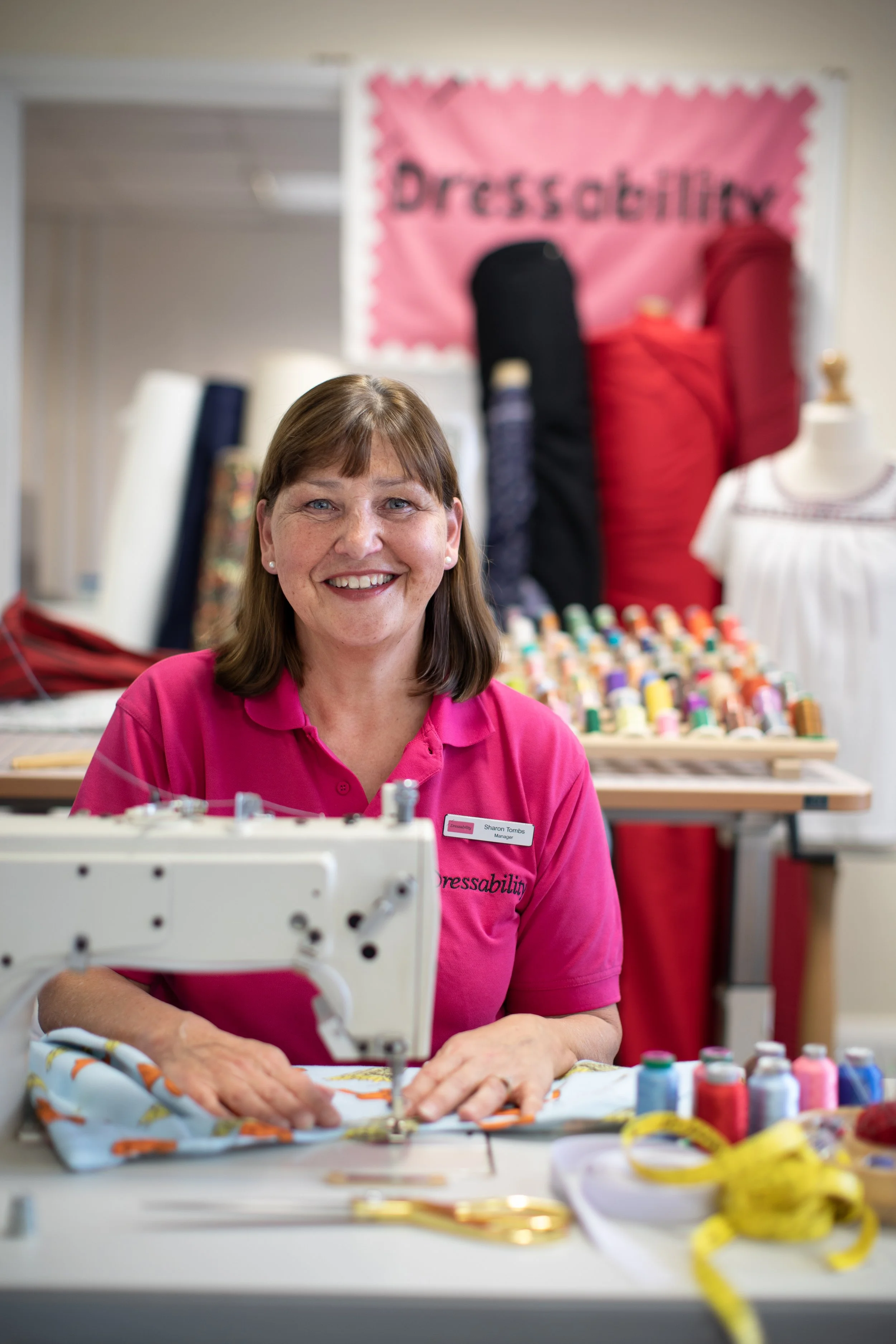
Courtesy: Sharon Tombs
“By replacing difficult fastenings, adding trouser loops and making other individual adjustments, we enable clients to choose their own clothes without sacrificing their sense of style,” says Sharon Tombs, who has been the general manager of Dressability for 15 years. “Our highly skilled dressmakers alter and adapt clothing to increase independence, promote self-esteem and make everyday dressing easier for clients and their families or carers. Our heavily subsidised service helps make specialist support more affordable, while our UK-wide postal service extends our reach beyond the local area. Promoting dignity, personal choice and independence is at the heart of everything we do.”
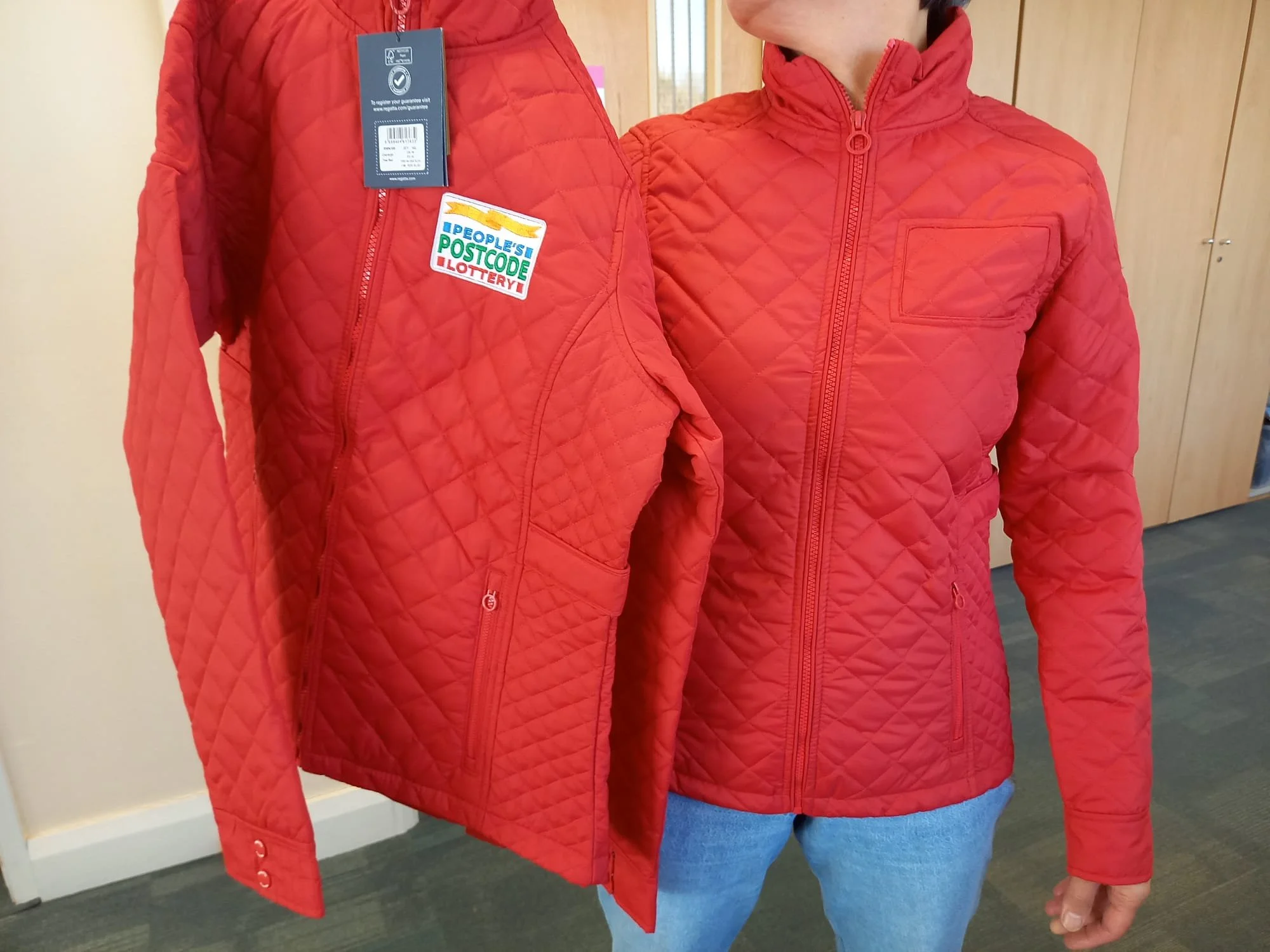
One of the biggest undertakings at Dressability is de-branding clothing, which is the practice of literally removing logos from garments. “For several years now, we have run a large de-branding project, taking in new unwanted branded clothing and removing the identifying logos and tags. The logos are carefully removed or covered and replaced with matching fabric using discrete sewing techniques,” Tombs says. And each de-branding effort takes about 30 minutes. “Many companies are very happy to donate surplus clothing, but understandably need their branding removed so that the clothing cannot be mistaken for official uniform or suggest that the wearer represents the company. By de-branding items, perfectly good clothing can be safely passed on to homeless projects and other charities rather than going to waste. It’s a lovely example of our volunteers’ skills helping both people and the environment.”
Courtesy: Sharon Tombs
Dressability’s ethos comes from research conducted by Professor Karen Pine, who linked psychological theories to fashion, and found that clothing affects both how others see us and how we see ourselves. “For many of the people we support at Dressability, everyday clothing can create real obstacles. Fastenings that are difficult to manage, poor fit or garments that do not accommodate a wheelchair, limited mobility or medical needs can cause frustration and discomfort. Getting dressed may require help from a family member or carer, reducing independence and privacy. Suitable alternatives can also be expensive or fail to reflect the person’s own taste and identity,” Tombs says.
“Clothing affects how people feel about themselves. When these barriers are removed and someone can wear a garment that fits well, allows movement and reflects their style, the benefit extends beyond physical comfort. It can restore confidence, self-esteem and a sense of control over daily life.”
That restoration of confidence and self-esteem can have further mental health benefits, allow people to better engage with a community, thereby reducing stress on an individual as well as the healthcare and social system to which they belong. And with that in mind, Dressability’s reach spans far beyond geography and even the stereotypical definition of accessibility. The volunteers respond to needs like practical care for those undergoing cancer treatment as well as providing warm clothes to those experiencing homelessness. And they’ve been able to make a tangible impact in their community and beyond.
“Generally speaking, we are able to alter and adapt around 900 garments per year for our service users. Our volunteering team make, de-brand and donate a further 1000 items each year to organization supporting vulnerable people,” Tombs says. “By adapting clothing to suit each person, Dressability supports dignity, independence and well-being. Our own client feedback demonstrates the difference: 77% of those surveyed reported a significant improvement in their quality of life after accessing our service. As Professor Pine’s work shows, clothing is not a trivial detail. It influences how we think, how we feel and how we participate in the world.”