
SHIFTING TO CREULTY-FREE CLOTHING CREATES MORE PEACE
By: Prachi Khatri
Vegan fashion has grown significantly and has become a movement within the global fashion industry over recent years. The shift towards sustainable and ethically sourced fashion represents an evolution in choice. Buyers are shifting to cruelty-free clothing, focused on minimizing waste and making thoughtful choices that don't harm our environment. De-cluttering your wardrobe is not just about clothes but about creating a peaceful environment and promoting mindfulness.
According to data from the market, the global vegan fashion industry is projected to be 1281.2 billion in the next eight years. With ethical consumerism on the rise, a growing number of companies are obtaining the vegan certifications. Traditionally fashion relied on materials like fur, wool, leather, and silk, all sourced from animals. The commercial production harms many living beings in the process. Vegan fashion relies on synthetic alternatives using advanced technology that are machine-made fabrics. Recycled, plant-based fabrics such as cotton blends, recycled plastics, and pineapple fibers are all part of vegan fashion. Vegan fashion is more than just a niche. As more customers look for sustainable and ethical products, it has become a growing segment in the global market. Vegan fashion is important in many ways, as it plays a key role in various ethical and environmental issues.

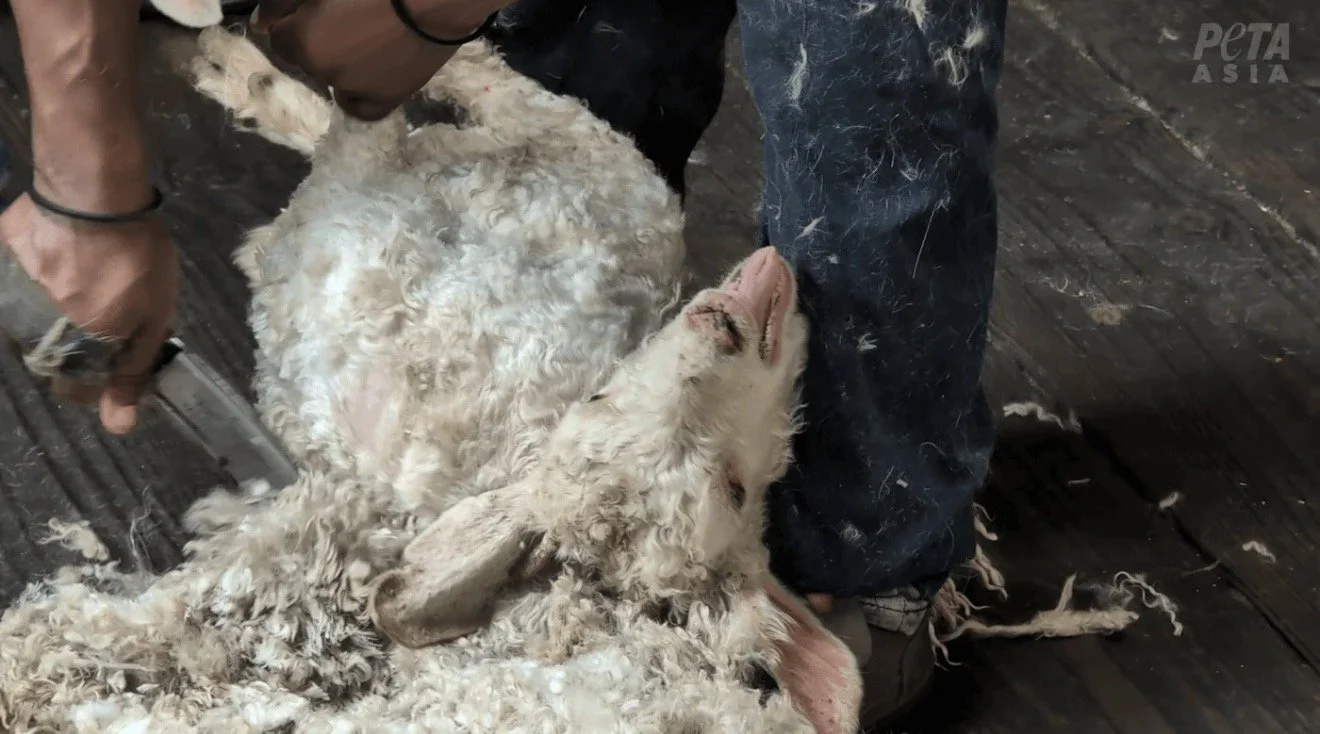
Credit: PETA official website
When we discard the pieces not worn for more than 6 months, it helps us rethink our relationship with the things we own and be more responsible about the choices we make in future purchases. One might ask, what does vegan fashion have to do with de-cluttering? And the answer lies in understanding what exactly vegan fashion refers to. Clothes, accessories, footwear, or any fashion products made without harming any animals are vegan products.
Data suggests that over five billion animals are used annually in the fashion industry, subject to cruel practices and poor welfare standards for the production of wool, fur, and leather. Over 1.4 billion animals are slaughtered for skin alone. In many countries, animals are subjected to poor conditions and transported without food or water while still conscious.
Vegan alternatives in the fashion industry not only put an end to animal cruelty but also help in reducing the fashion industry's environmental footprint. The fashion industry is responsible for 8% to 10% of global carbon emissions. Vegan products rely on plant-based innovation and recycled material to reduce environmental impact.
A vegan certificate is an official label for brands to confirm that a product is free from any animal-derived material and is cruelty-free. An official certificate helps customers identify which products are vegan when shopping.
Credit: PETA official website
The "PETA-Approved Vegan" designation is one of the most recognized labels. Gap, H&M, and Noize are some of the companies using PETA-certified logos. “Vegan Trademark” by The Vegan Society is another well-known certification to identify vegan products.
The de-cluttering process complements the vegan and sustainable fashion principles. It brings mindful consumption, transition to ethical choices, and promotes sustainability. When we sort our clothes, we decide to replace animal-based clothes with alternatives that don't harm our environment or make animals suffer in the process.
When we find time to de-clutter, we consciously review our wardrobe and understand the difference between what we own and what we should own. Avoiding unnecessary buying and cutting off cruelty-based fabrics help reduce consumption and lessen waste.
Repurposing, recycling, reducing, and donating help prevent garments from ending up in landfills. A few simple steps can make de-cluttering process smooth i.e assess your wardrobe, segregate in “keep, donate, recycle” categories, look for materials that are non vegan and donate responsibly.
The de-cluttering process helps us adopt mindful shopping habits; when purchasing new clothes, choose vegan products, check the labels for vegan certification, and wear clothes responsibly. After all, it is our responsibility to save our planet and natural resources for our next generation. By supporting certified vegan clothing and making simplified wardrobe choices, we encourage the innovation in the vegan industry and make smart fashion choices.
Cover Image: Rifat Husić / @iamrifathus