
WHY PORTUGAL’S CORK HANDBAGS ARE WORTH CARRYING HOME
By: Erica Commisso
Sustainability is literally part of Portugal’s roots. The coastal country is responsible for over half of the world’s entire cork production, and harvest only begins when the trees are 25 years old. The trees are stripped in the summers using specialized axes, and the bark is harvested every nine years (cork oak trees live for about 160 years) to allow for safe regeneration so the tree does not need to be cut down.
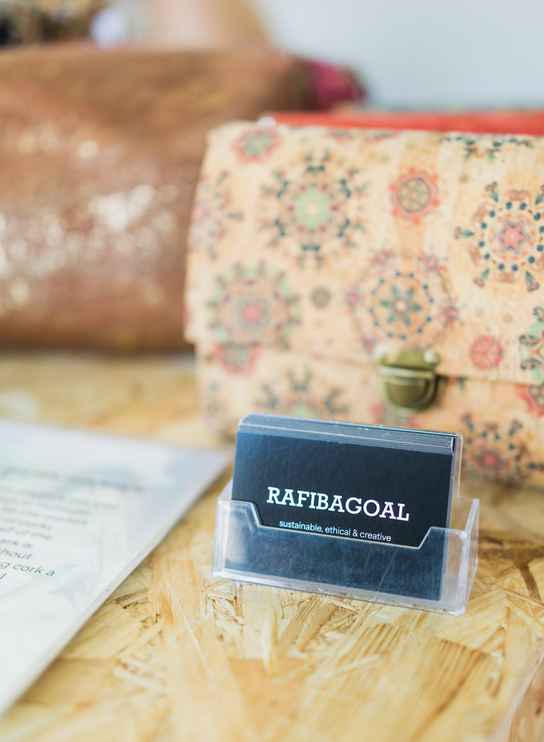
Of course, all of that cork needs to be used and, while a large chunk of it is exported, a good portion of it is also woven into the cultural identity - namely in the form of cork purses. In Lisbon, Porto, Lagos and all the main cities, artisans set up shop in markets selling purses of every size and with vibrant colours and patterns made by families of makers.
The concept of turning cork oak into handbags goes back centuries, as the families and artisans who owned and operated the cork oak woodlands learned to shave the cork into thin, flexible pieces and layered onto fabric to create a flexible, durable material.
Source: @mercadoallure
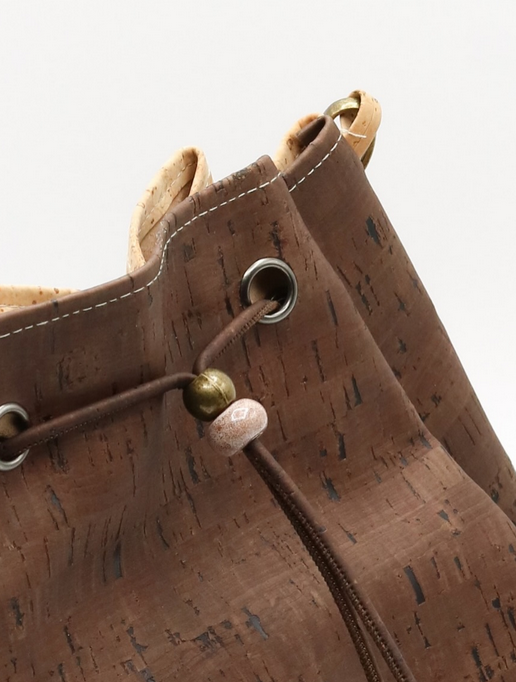
Naturally, the handbags are vegan by virtue of the fabric, but they’re also eco-friendly and propel the country’s economy. They’re also consumer-friendly, as they’re lightweight, stain-resistant, buoyant and water-repellent thanks to being, quite literally, made of cork. The cork is, essentially, a more planet-conscious alternative to leather, carrying the same qualities but without the negative impacts on animals and on the environment, as the regenerative practice of harvesting the cork oak means it leaves virtually no carbon footprint.
Major brands like Cork Couture and Montado are elevating the cork handbags to a sort of high fashion place, but artisanal stalls in outdoor markets and boutique shops offer options that feature the iconic Portuguese tile designs and regional floral prints alongside wallets, coin purses and more, and are often made in limited runs by family-owned businesses and skilled seamstresses. Many of the smaller bag producers also use techniques that are passed down through generations, preserving a tradition that’s rooted in the south of the country and an important part of its economic well-being. It also means that the sourcing is generally ethical and the dyes that adorn the bags are vegetable ones, furthering their sustainability and environmental friendliness
The cork is also heat resistant, durable and biodegradable, meaning its long-term environmental impact is also virtually zero and it can last a long time, which helps combat fast fashion and the negative impact the fashion industry has on waste.
Source: @mercadoallure
But because the bags have become popular worldwide, knockoffs have cropped up in stalls across the touristy places in Portugal. So the authentic, artisanal producers in markets and in boutiques have come up with a clear, Made in Portugal sign to clearly indicate the authenticity of the hallmark Portuguese products and separate them from the imported knockoffs.
But arguably the best part of an authentic cork handbag is its uniqueness: all of the eco-friendly harvesting practices create a unique grain, meaning that no two purses are the same, but each and every one of them has a rippling positive impact on the Portuguese ecosystem.