
WHY NATURAL FIBRES ARE RE-SHAPING FASHION: WHAT TOAST’S 99% MILESTONE MEANS
By: Prachi Khatri
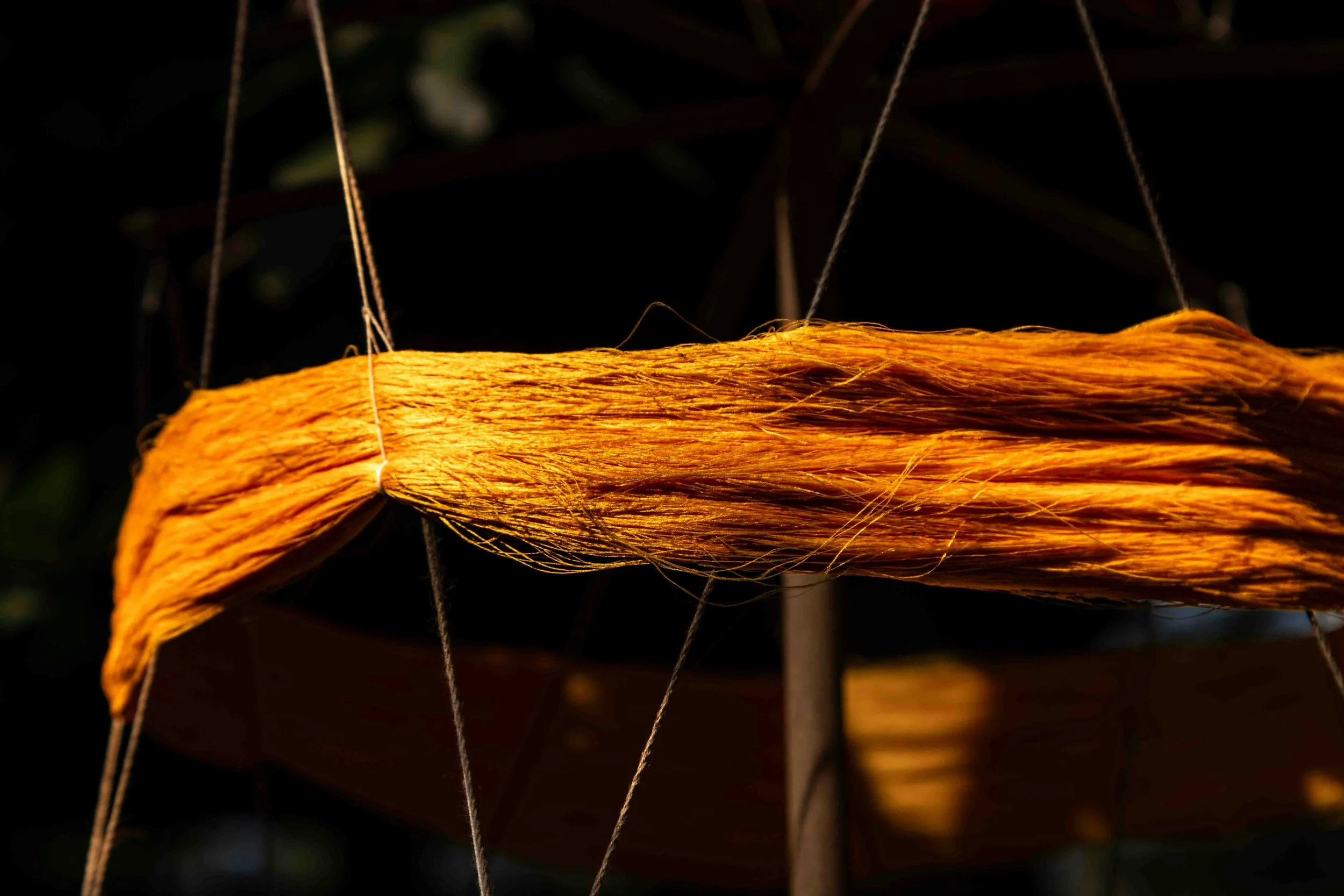
The fashion industry is primarily dominated by synthetic fibres such as polyester, nylon, rayon, etc. The traditional fibres used in clothing are inexpensive, durable and can be used in a variety of ways. Due to their versatility, the reliance on decade-old synthetic fibre is still high. However, their dependence on fossil fuel and wastage of material during production has a negative impact on our environment. Over the recent years these year-old fabrics have been under the scrutiny of environment advocates and consumers as they become aware of the materials going into their wardrobe.
Source: unplash.com
In the light of environmental awareness, many brands are taking initiative to upgrade their production line by using natural fibres. Welsh-founded fashion and lifestyle brand TOAST has 99% of its clothing collections made from natural or cellulosic fibre in 2025. This milestone is significant, considering that synthetics still dominate the industry. Synthetic fibres account for roughly 73% of global fibre production; that’s almost three quarters of the global fibre being produced. This data reflects an upwards trend from 1996, when the synthetic fibre production was 45%, compared to about one-fifth for cotton. Fibres such as flax and hemp have been beginning to gain attention from the fashion industry over recent years.
TOAST was founded in 1997 in Wales and started with a nightwear and lounge-wear collection inspired by the landscape and a slower living. The mission for the brand is to create pieces that are sustainable, that celebrate the craftsmanship rather than just mass production, and pieces that last long year over year. The main focus is on the material chosen for its best quality and durability. As per the brand’s website description, they try to create pieces using natural material and continuously find ways to explore resources to keep the garments' lifecycle long and not just a passing trend.
Source: unplash.com
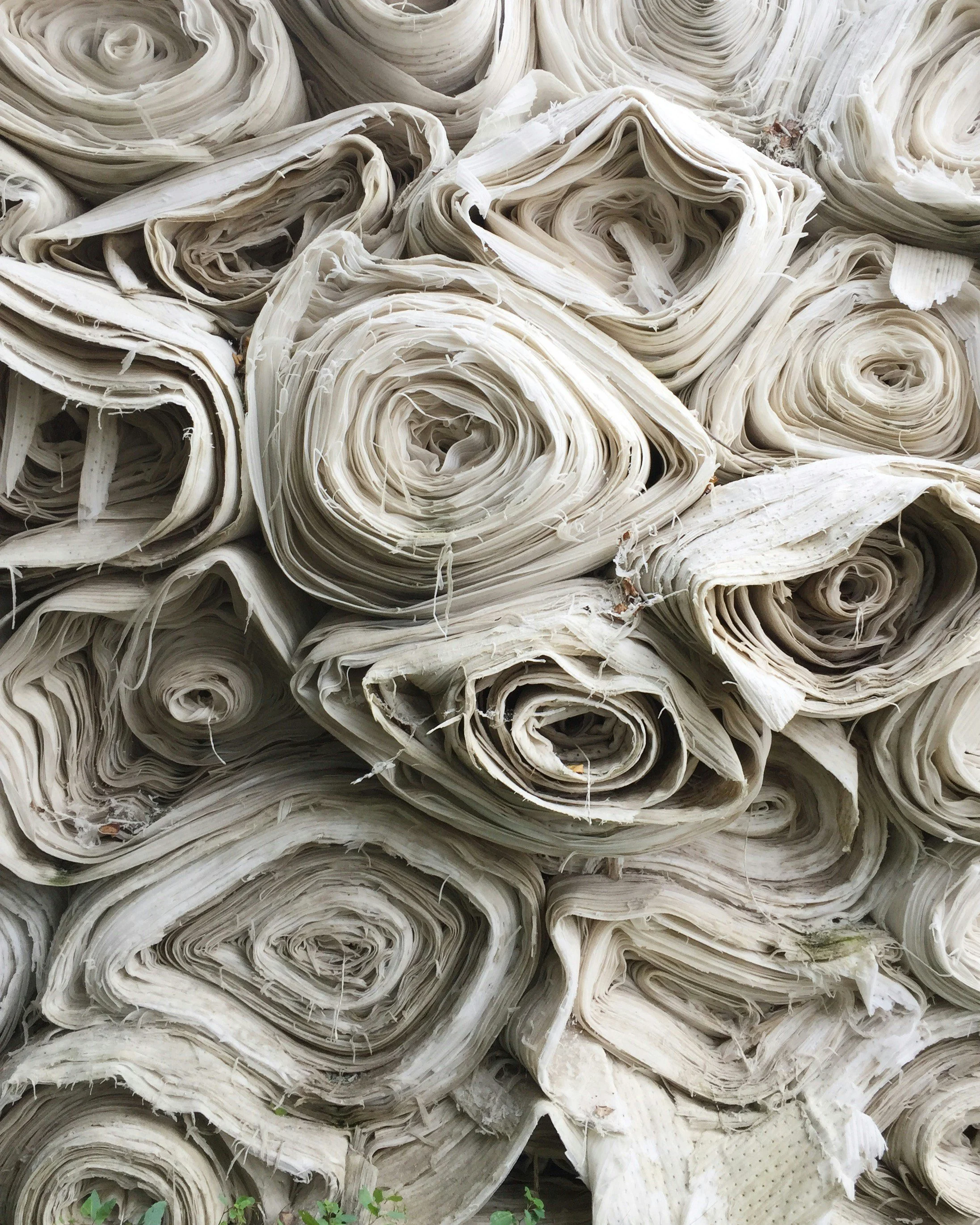
Natural fibres include materials such as cotton, linen, hemp and wool. Depending on the production, these materials are known to be safe for the environment, as their production is less fossil fuel intensive. For example, cotton is biodegradable, and 100% cotton-made fabric causes no harm to the environment even when it is discarded due to its ability to get dissolved in the soil. Similarly, wool is also a neutral fibre that is long-lasting and renewable.
The United Nations Environment Programme (UNEP) has identified that fashion drives climate change, natural loss and pollution due to overproduction, buying habits and lack of circularity in fashion. As per UNEP, 92 million tonnes of textile waste are generated each year globally. Just by doubling the wearability of our clothes, we can cut down on emissions by 44%.
TOAST’s 99% natural fibre approach for its clothing items represents an evolution rather than just an overnight change. The brand emphasizes buying durable, high-quality clothes with the approach of minimal waste and cherished materials. As per the website data, in 2025 the company diverted 7559 garments from landfill and gave them a second life, inspiring other brands to also focus on repairing damaged clothing rather than just producing new ones.
TOAST’s example suggests how the approach of one company can become a role model for other brands and be a part of a larger business strategy centered on durability, reduction in waste, traceability and transparency. The future of fashion is not dependent on just one perfect fibre but a combination of responsible sourcing, less overproduction, repair, reuse and improved wearability of clothes. As a consumer, no matter how inexpensive the garment can be, it is important to know what material it is made from, how long it can last, will it affect the environment negatively when discarded and what happens to that piece of time afterwards to bring a meaningful change.