
WESTLAND GIKOMBA FASHION—A MOVEMENT TRANSFORMING DISCARDED TEXTILES AND SECOND-HAND CLOTHING INTO ART IN NAIROBI
By: Prachi Khatri
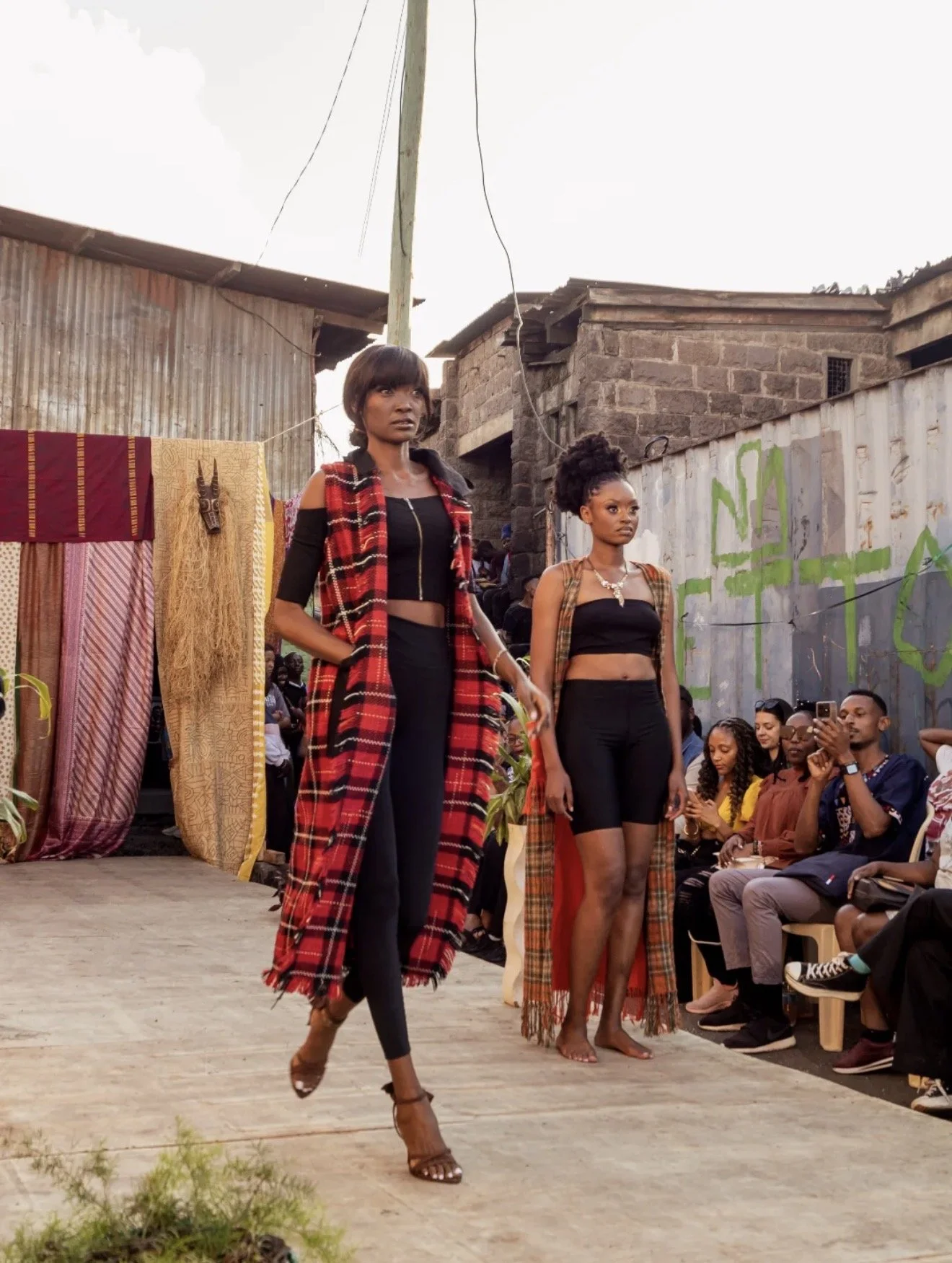
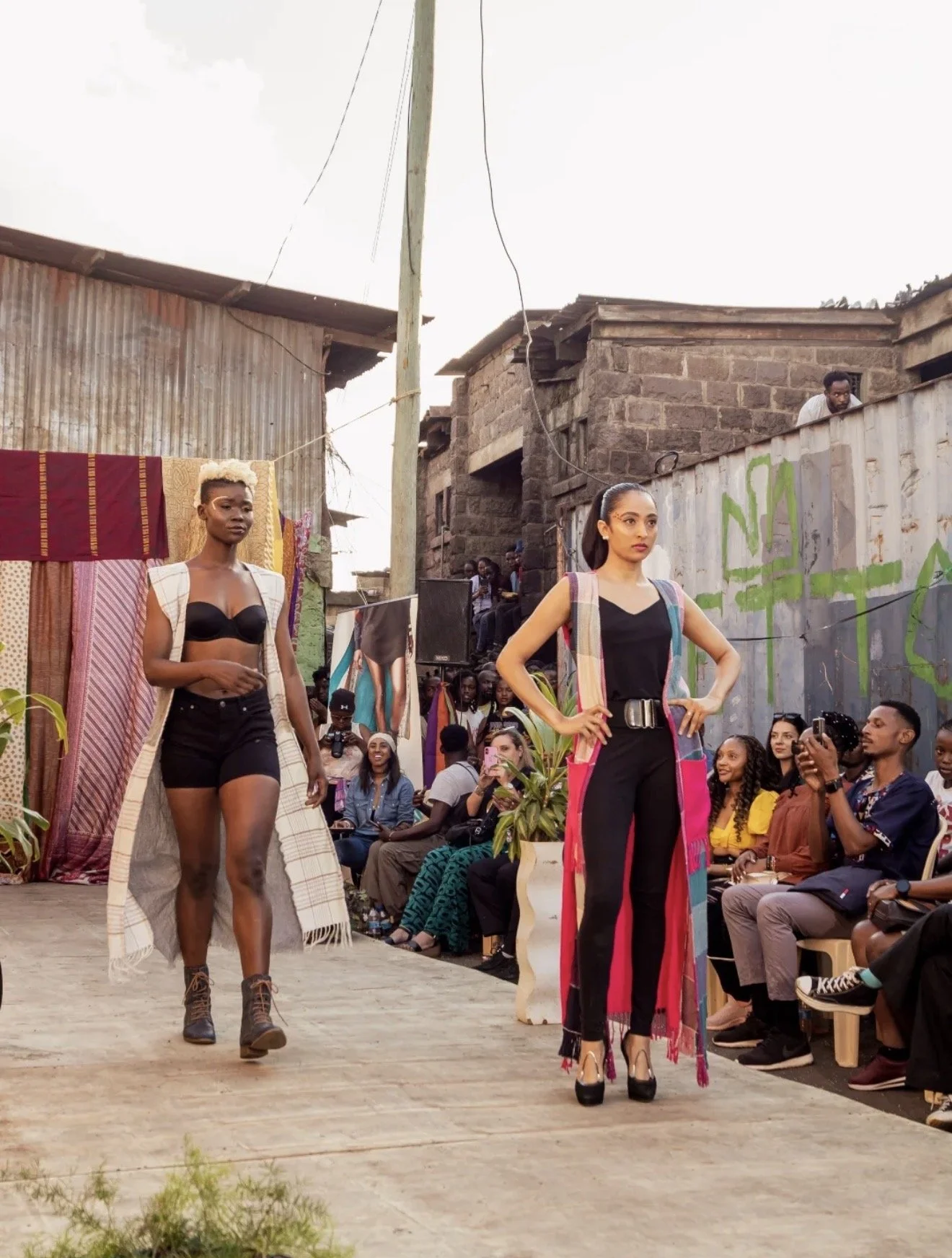
Have you ever imagined outfits created from dumpsites, market cut-off materials and discarded clothing? The idea may sound impossible, but Westland Gikomba Fashion in Nairobi has turned this vision into reality. Westland Gikomba Fashion is a sustainable and creative movement that focuses on upcycling secondhand clothes. Discarded clothes are picked up from Nairobi’s Gikomba market, a major hub for secondhand clothing in East Africa, and from there they are transformed into special pieces of art.
The movement highlights local designers, showcasing their creative talent to the world. Gaikomba market is one of the world’s largest hubs of garment waste, locally called mitumba.
Tonnes of unsellable clothes discarded due to stains, tears or unwanted fabrics end up in landfills and dumpsites. Every year huge dumps of used clothing from Europe, the United States, the UK, and beyond make their way to Kenya. The global fashion industry produces 92 million tonnes of textile waste every year. Discarded textile waste contributes majorly to the landfill overflow, environmental pollution, and blocked drainage system.
Credit: @jaric_kenya
According to the Massachusetts Institute of Technology (MIT), Kenya overtook Nigeria as the largest importer of secondhand clothes in 2023. Most of these end up in landfills and cause environmental pollution. Westland Gaikomba Fashion has found a solution to this issue with upcycling and creative reuse. The movement is transforming landfill wasteland into dazzling pieces that everyone is in awe of. The event brought together Kenyan designers like 25-year-old Morgan Azedy, who transformed old denim and leather scraps into avant-garde streetwear. “I always see the environment around me dirty… I wanted to control pollution,” said Azedy at the Westland Gaikomba fashion show.
This sustainable fashion movement highlights the value of discarded garments by transforming them into high-end fashion pieces. Grounded in environmental responsibility, it has sparked global conversation and awareness. The Westland Gaikomba fashion show was later featured in the documentary Wasteland, gaining widespread recognition and attention across international entertainment platforms.
Many Instagram posts are spotted calling the fashion show a wasteland or a gold mine. An Instagram handle, @oga_bachelor, covered the event for BBC and mentions the movement as “a redefining moment for fashion in the heart of Gikomba that’s bringing local style to a global stage,” calling the initiative a “landmark movement” and “one for the history books.”
Credit: @jaric_kenya
What makes the Westland Gikomba Fashion truly special is not just the captivating designs but the resourcefulness of waste. The movement has brought communities together by celebrating the craftsmanship of experienced tailors with young creatives. New re-imagined pieces from otherwise discarded fabrics are turned into bold, statement garments designed with unique patterns, patchwork, and fabric remnants.
This initiative has not only helped reduce waste from landfills but also provided skilled trades for young individuals in Nairobi to earn income and build confidence. Local models can participate in runway shows to showcase the new clothes, and photographers and stylists get to showcase their talent through regular shows that draw attention to African fashion and beyond. Not only is the movement helping contribute to Nairobi's economy but also promoting upcycled fashion. The circular economy model is the future of fashion, where clothes are reused, recycled, and reimagined.
Fast fashion and cheap clothes can no longer fill the landfills of our planet. It’s high time consumers become active and foster a culture of sustainability by choosing alternatives like secondhand fashion. Westland Gikomba Fashion is a powerful movement that speaks about solutions to global waste management and environment depletion issues. The initiative is transforming the way we imagine secondhand by curating special pieces that are meaningful and a statement piece for your wardrobes.