
WAS INCLUSIVITY IN FASHION JUST A POST-2020 TREND?
By: Prachi Khatri
Inclusivity emerged as a key concept in fashion, culture, and advertising post 2020. Companies and businesses' activities have increasingly supported body positivity, embracing all body types and featuring models of a range of sizes and races. For a very short time, it appeared that fashion was finally acknowledging the beauty of diversity.
However, after 2020, especially in 2025 and 2026, the fashion industry seems it may be showing signs of shifting back to old ways. The trend of models being too thin or a certain body type has been making a comeback. It makes us wonder whether inclusivity was a true shift or just a passing trend.
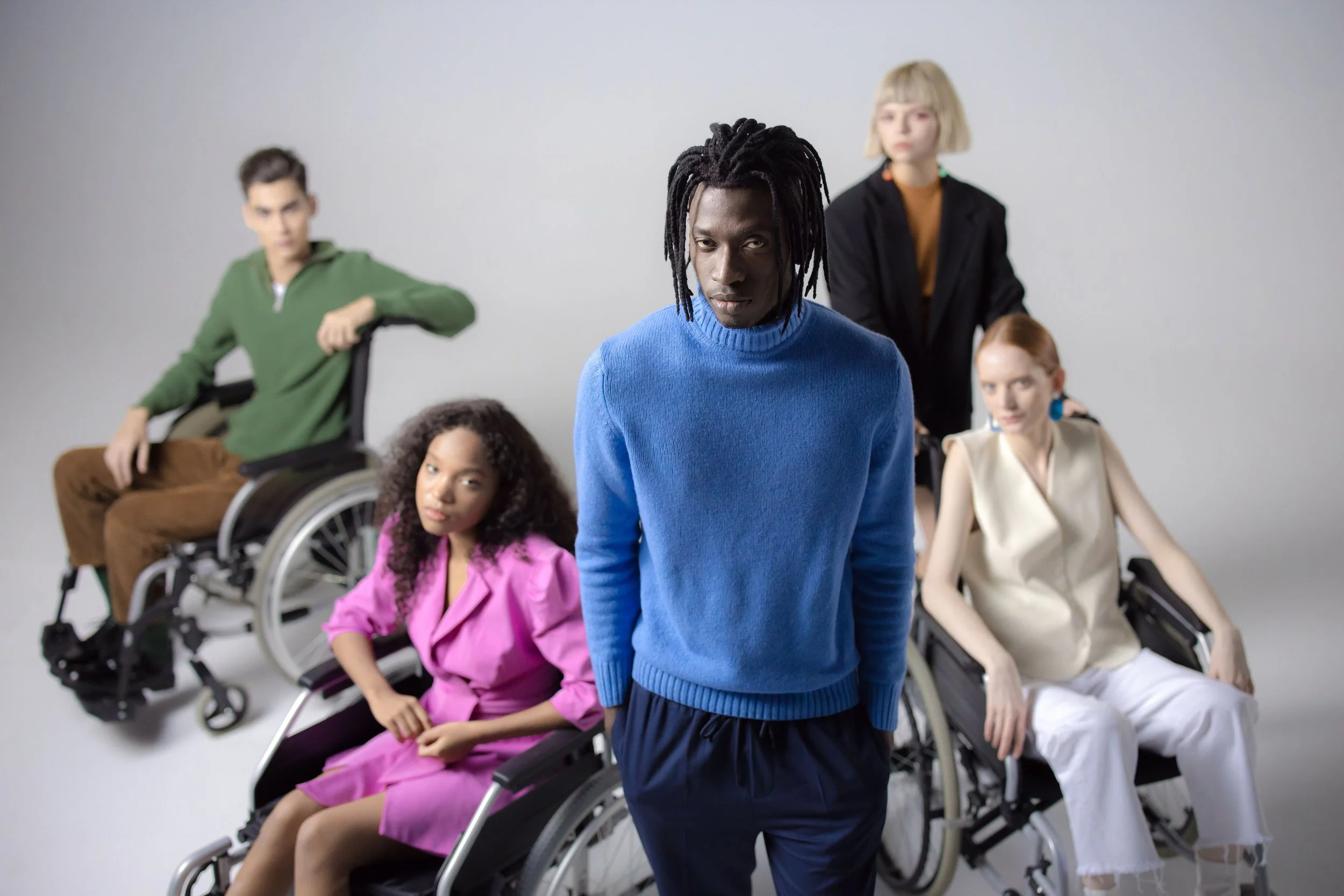
Photo Credit: www.pexels.com
Plus-size representation is seeing regression rather than progress. The annual Vogue Business Size Inclusivity Report suggests that in fall/winter 2026, 9.7% of the runway was shown on more “ideal size” models, while only 0.3% models were plus size. This is the lowest recorded Vogue data since they started tracking inclusivity. Despite the inclusivity discussion and more awareness on body positivity, there is a rise in straight size models taking up the runway.
The post-pandemic years created the perfect environment for inclusivity to flourish. Consumers demanded authenticity and representation. Social movements encouraged companies to examine who was being excluded from mainstream narratives and brands responded by introducing extended sizing, opening up casting calls to plus-size and mid-size models and promoting campaigns that were centered on "real people" rather than traditional fashion ideals.
The shift was visible everywhere. Luxury fashion houses that had historically relied on sample-size models began experimenting with more diverse runway casts. Retailers marketed themselves as size-inclusive and body-positive influencers became powerful voices in shaping consumer behavior. Industry observers described this period as a turning point for representation.
However, recent data suggests that the momentum has slowed dramatically. According to multiple fashion industry reports, plus-sized representation on major runways has declined since its post-2020 peak. By the Autumn/Winter 2025 season, plus-sized models represented only a tiny fraction of runway appearances, signaling a return to narrower beauty standards.
The rise of "petite chic," ultra-thin aesthetics and the revival of 1990s and Y2K fashion ideals has played a significant role. Social media trends increasingly celebrate smaller silhouettes, low-rise clothing, and minimalist body types. Some commentators have linked the shift to the popularity of weight-loss medications and the renewed cultural fascination with thinness.
Economic realities are also influencing brand decisions. Producing extended size ranges requires additional design, fit testing, inventory management and manufacturing costs. Several retailers have quietly reduced or eliminated extended sizing, often citing lower sales volumes or operational challenges. Critics argue that many companies never fully committed to inclusivity in the first place; they simply responded to market pressure when it was fashionable to do so.
Consumer frustration is evident in online communities. One Reddit user wrote, "I was really sick of seeing brands advertise how size-inclusive they are just to look at their size charts and say, 'Yeah, that ain't it.’" Another commenter criticized brands that promote inclusivity while only offering sizes up to XL or XXL.
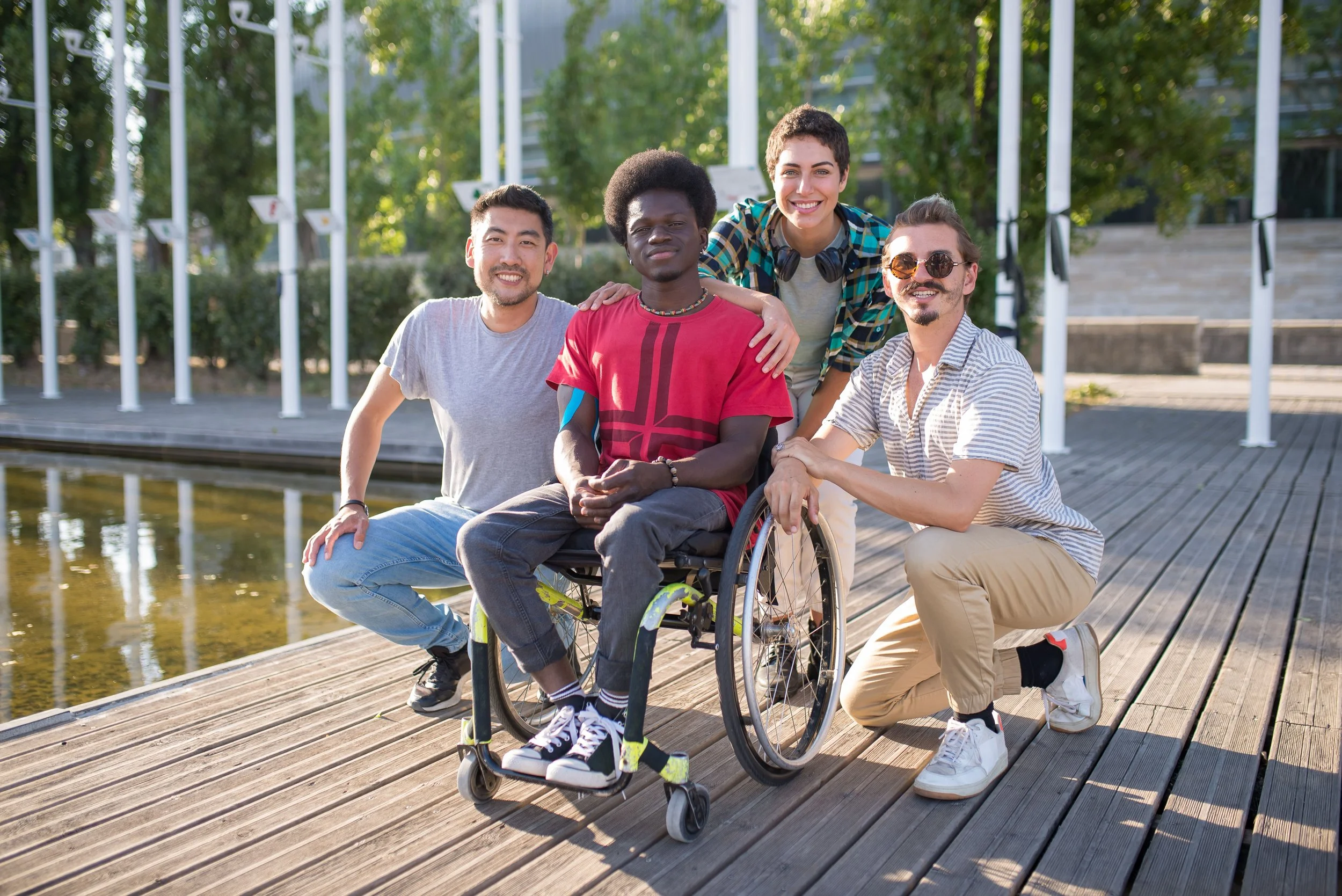
Photo Credit: www.pexels.com
The Vogue business 2025-2026 report suggest that plus sized representation on major runways remain below one percent. There is a major disconnect in need for broader representation and the where the industry is heading. Despite the changing standards, fashion advocates such as Christian Siriano are still fighting for inclusivity. Siriano continues to remind brands that they cannot celebrate diverse bodies on the runway while failing to make those clothes available for purchase, emphasizing that true inclusivity requires long-term commitment rather than marketing campaigns.
Despite these noticeable changes, it would be inaccurate to say that inclusivity has disappeared. What may be ending is the era when inclusivity itself was a trend. The challenge now is whether brands are willing to treat representation as a business standard rather than a seasonal marketing strategy.
Fashion has always moved in cycles. Thinness, curves, minimalism, maximalism, and countless aesthetics have all risen and fallen. Inclusivity, however, was never supposed to be an aesthetic. It was meant to be a recognition of reality: consumers come in different shapes, sizes, and identities.
The real test for the industry is whether inclusivity survives when it is no longer the trend of the moment. If it does, then the post-2020 movement will be remembered as a genuine turning point. If it does not, it may be remembered as one of fashion's most successful—and shortest-lived—marketing eras.
Cover Image Credit: Khaled Ghareeb / @khaledkagii