
THE FUTURE OF DENIM MAY BE DESIGNED IN THE WASHING ROOM
By: Prachi Khatri
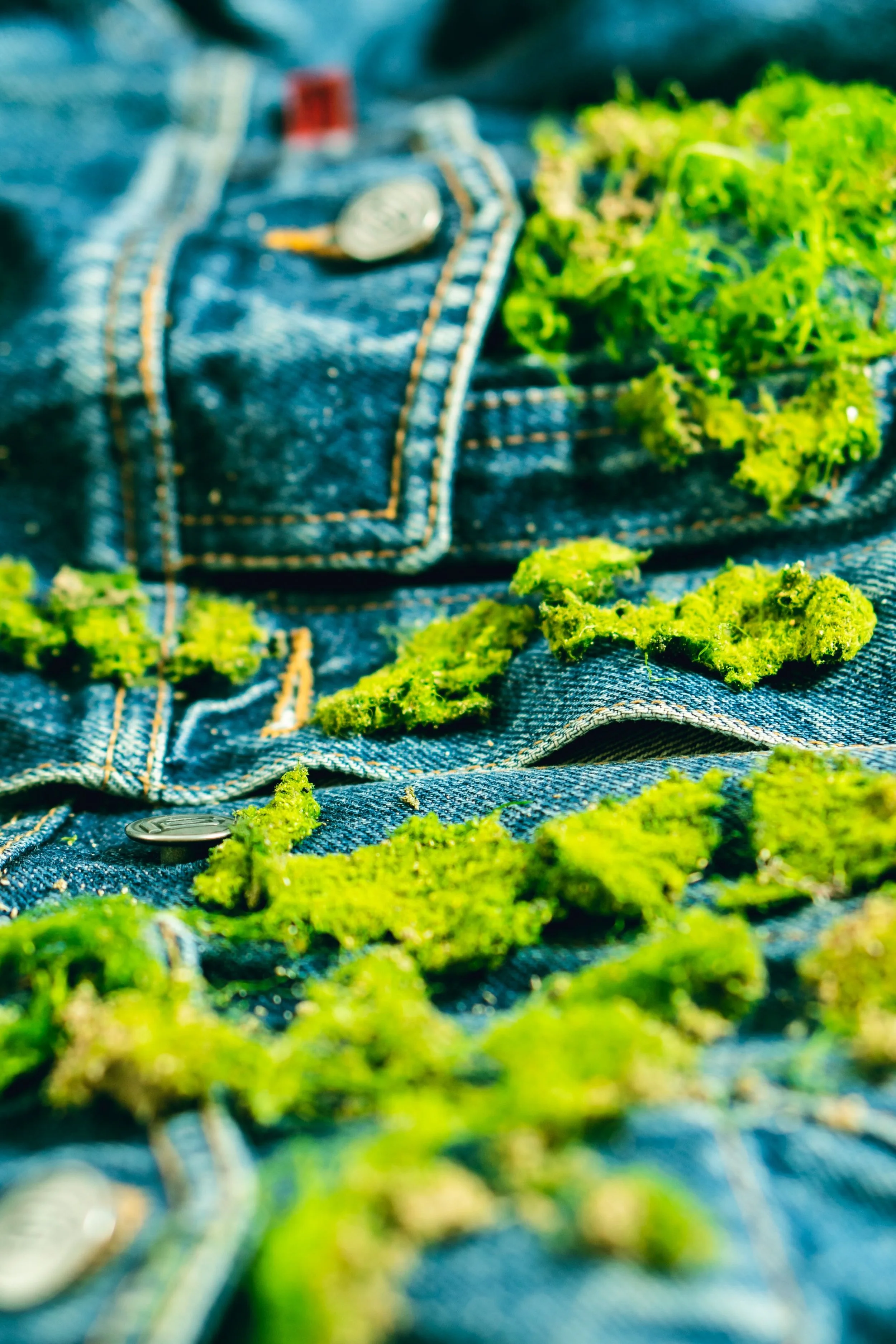
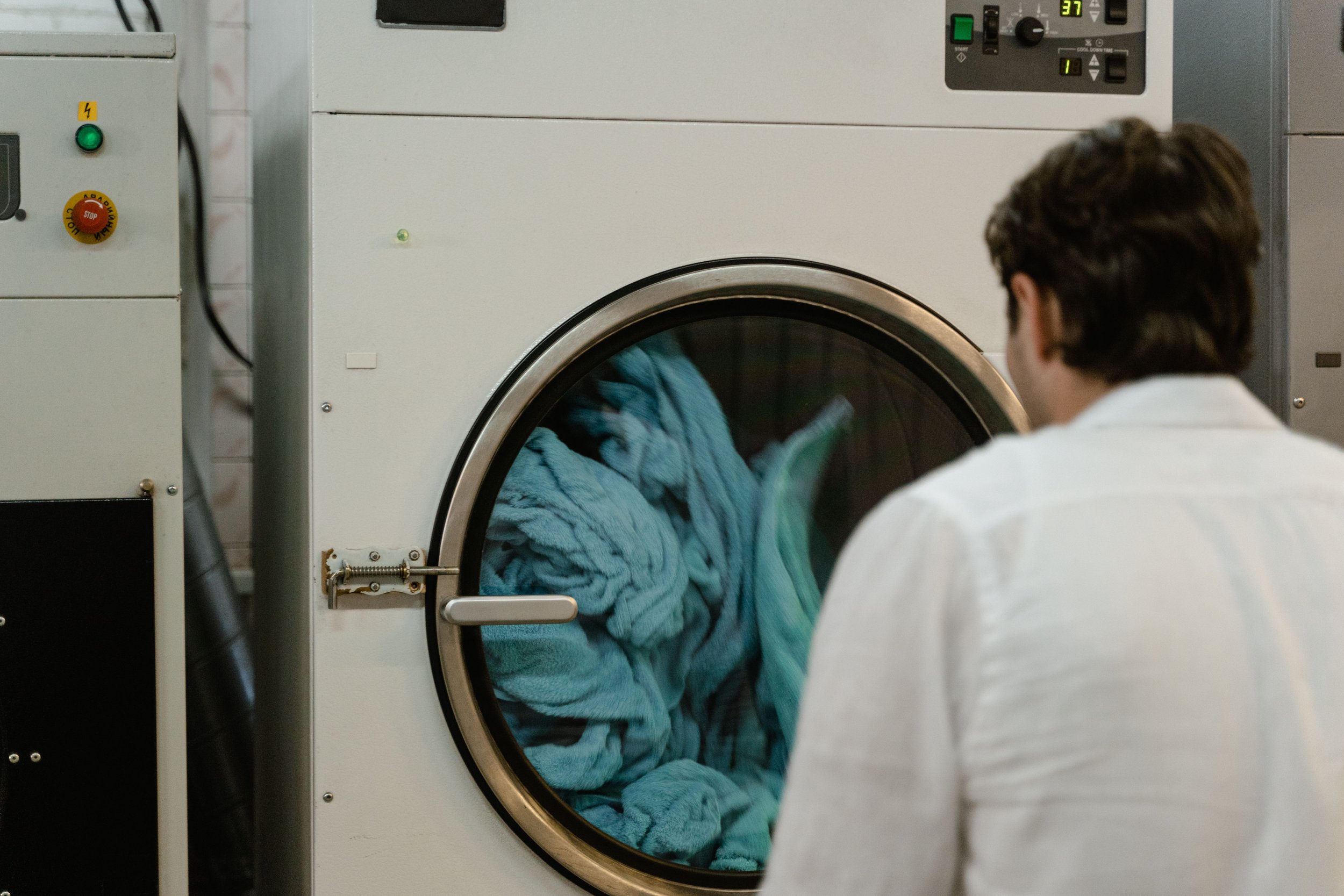
New research shows that the way jeans are finished and produced can dramatically influence how many fibers are released during washing. Designers are the center of innovation for fighting against textile wastage and textile pollution. A pair of jeans may look like the most durable fabric worn over years, but its environmental impact does not end when it leaves the production house. Every wash of jeans can release textile fibers into the wastewater, making it important to think about the designing and manufacturing of the denim.
According to a new study by the Journal of Environmental Chemical Engineering published in 2026, denim design could substantially reduce fiber shedding during domestic washing. According to the conducted research, it was found that denim made from recycled cotton yarn, subjected to particular finishing treatments, can reduce microfibre emissions by 70-90% over its washing life compared to traditional denims.
Source: pexels
The fashion industry is particularly struggling with enormous levels of waste needing immediate attention. The United Nations Environment Programme (UNEP) estimates that approximately 92 million tonnes of textile waste is generated globally every year. The numbers are shocking, as it means almost every second a truckload of clothing is filling landfills and causing harm to the environment.
As per the UNEP data, only 8% of the textile fibers came from recycled sources in 2023, while textile-to-textile recycling accounted for less than 1% of the total fiber market.Traditionally, the sustainability debate in fashion has centered on the materials used to make clothes. Alternatives to synthetic materials such as cotton, linen, hemp, and other natural cellulosic fibers are explored to reduce the reliance on fossil fuel-derived fabrics.
However, the most recent research indicates fabric designs are equally as crucial as fabric material. It is important to understand how washing can impact the environment. Natural fibers usually don't shed, but fiber release can be impacted by fiber quality, fabric structure, yarn condition, and laundry condition.
Replacing a polyester fiber with cotton may not be sufficient, as natural and cellulosic fibers are also found in environmental samples. A sustainable garment needs to be designed to shed minimally and also last longer. Creating less waste throughout the garment cycle should be the end goal rather than just replacing the material, which has been the focus in recent years by many brands.
Source: pexels
Certain finishing treatments cause far greater fiber shedding than others, according to research. Choosing stronger and smoother yarns reduces unnecessary surface abrasion. For instance, stone and towel wash treatment involves the most significant friction and the most troublesome technique. On the other hand, icewash treatment results in a smoother fabric surface and is linked to less shedding for fabric afterlife.
Another process called mercerization reduces microfiber emission by approximately 30%. It involves altering cotton fibers using a concentrated alkaline treatment to improve the smoothness and strength of the fiber. This gives designers multiple options to choose stronger, smooth yarn and minimize mechanical distressing.
The fashion industry needs to move towards better-designed fibers and not simply race towards “natural fibers," as producing natural fibers still requires land, water, energy, and chemicals. There are already signs that the fashion industry is moving in the direction of more traceable, durable, and safer materials. Between the years 2021 and 2023, the Ellen MacArthur Foundation's jeans redesign program redesigned 1.5 million pairs of jeans via participating brands. The next frontier could be fiber shedding.
Imagine the denim we wear designed to retain the fibers from the beginning so it remains durable for years, will require fewer aggressive processes, and can be ultimately easily recycled. Sustainability of a product is no longer an additional feature but something that needs to be built into garments at the designing table. Keeping our planet in mind and designing the fabrics is the need of the hour, as we need to think about designing clothes based on the entire lifecycle of the garment.