
MADE TO LAST: WHAT SENEGAL’S TAILOR CULTURE TEACHES US ABOUT SUSTAINABLE FASHION
By: Hillary LeBlanc
Shopping has evolved from wandering mall corridors to scrolling curated feeds and digital storefronts. While most countries have a plethora of options ranging in fast fashion, big brands, luxury, or locally made pieces, there are some that have a very different approach for consumers to expand their wardrobe. Senegal for example, does not have these options at their convenience - and that might be a good thing.
Senegal’s fashion industry blends traditional craftsmanship and tailoring with contemporary design, creating a vibrant ecosystem rooted in local culture, custom-made clothing, and growing global influence.
In the streets of Dakar you will see many locally owned boutiques that serve the community. Many brands, self labelled as ‘couture’ serve the community traditional African style clothes or modern adaptations in fabrics easily accessible to the community. What is more common than what we see in a lot of other countries are stores on most streets dedicated to fabric sales. Factories based in Dakar deliver a fabric called wax fabric, though it is 100% cotton, to these stores or to sales people who will even deliver fabrics to people’s homes directly. With fabrics in hand, people go to their favorite tailor with inspiration photos in hand, and get measured and fitted for their dream garment.
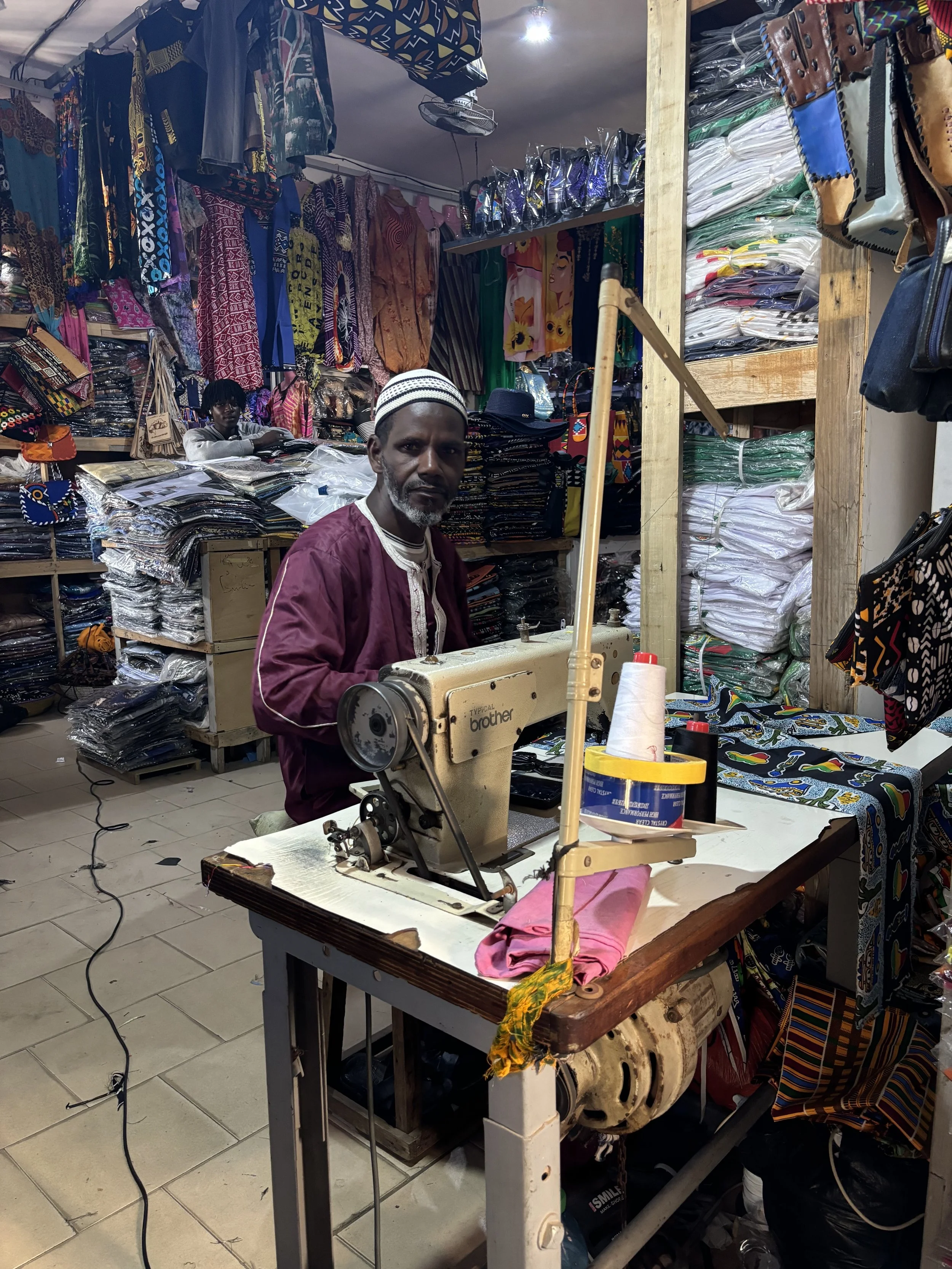
Many of the people who own these ‘couture’ stores are willing to do custom, but the amount of tailors available in Dakar is astounding, Some men walk the streets with their sewing machine on their shoulders, clapping together their fabric scissors indicating they are in the community to do quick jobs, like hemming of pants, at a nominal fee. The sewing culture and custom fashion knowledge is also passed down from generations, with many bigger brands citing their mothers, grandmothers and loved-ones as those who have provided the education for tailors and couturiers to start their businesses.
Stores such as Nefertiti by Coco allow customers to bring in their own fabrics, or use various fabrics available including silk, organza, and cotton among others. As a designer herself, she has some styles ready but is able to create any look based on photo inspirations. With three sewing machines in the back of her store front and a small team, she can measure a person, create custom pieces and even save leftover fabric for other uses. Her team is able to create pieces with only one or two additional try ons to ensure the client is satisfied with the process. The entire process is quick, efficient and gives quality pieces that meet the customer’s exact needs with no harm to the planet.
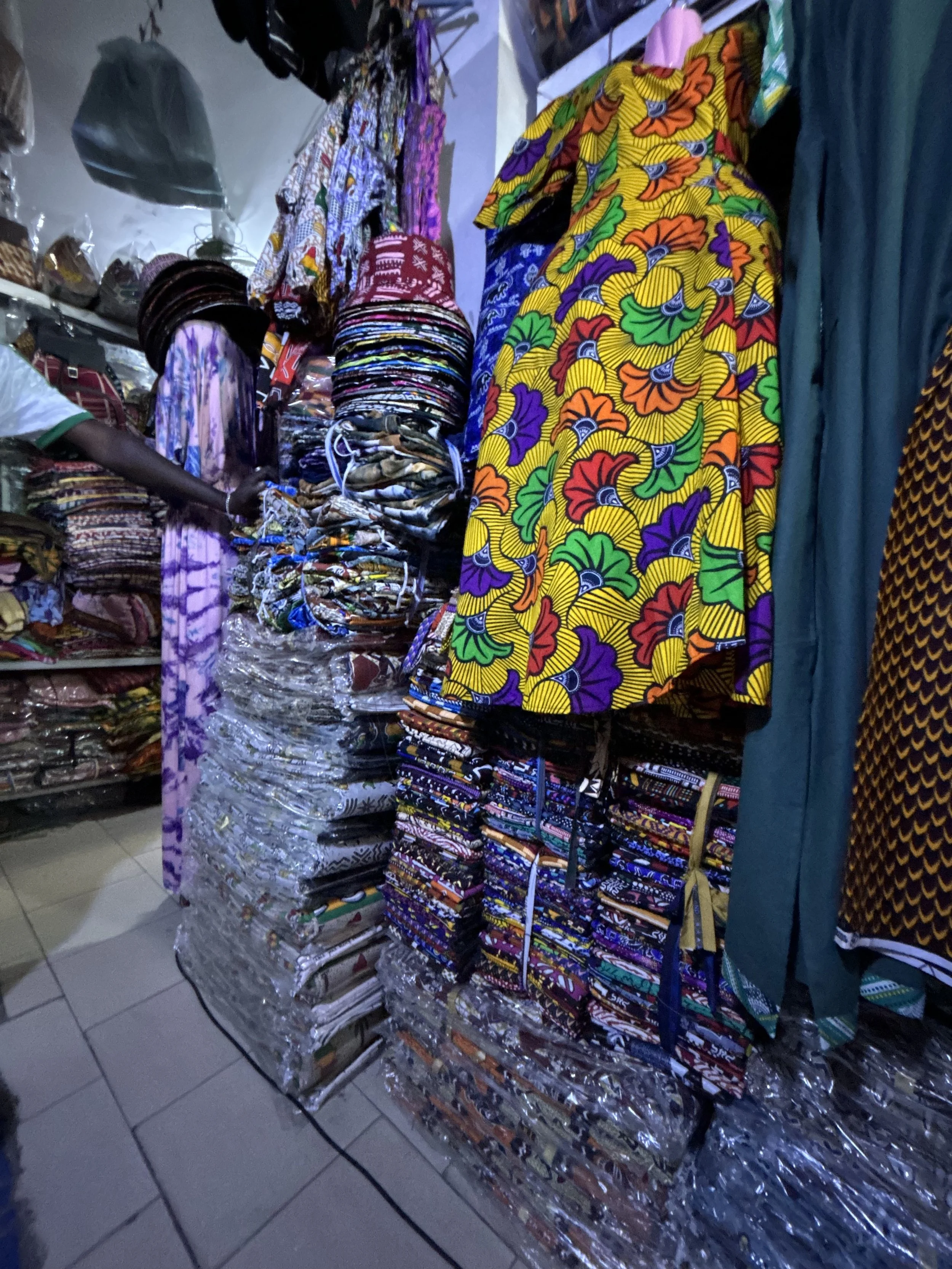
One famous location to get fabric goods is the Sandag market. A hectic space, Sandaga is full of men trying to sell items at a reasonable price and are ready to haggle. Items include toiletry bags, makeup pouches, aprons, clothes, robes and slippers, laptop bags, purses, bookbags and more. These items, again, are made on the spot with sewers tucked into the corners of the market allowing people to see the quality of the items as they are being made. Staff receive fabric from the factories in bundles of 6 yards and use every inch among the various products people may have a desire for. The many teams at Sandaga also offer custom pieces and are able to make most housewares people may be seeking. Outside of Sandaga market, the items are also mass sold to street vendors who are able to conveniently sell some of these items in different neighborhoods and communities.
With no presence in Dakar selling mass amounts of fast fashion, it’s easy to create a much more sustainable fashion selling ecosystem. With most items being custom, fabrics being sold locally, and building relationships with tailors and sewers, the population of Senegal and Dakar can be fashionable, unique and shop in environmentally friendly ways without even considering the alternative. This method of shopping also builds Senegalese infrastructure, allowing negotiations, bartering and sales to happen between businesses and customers but keeping the dollar within Senegalese businesses.