
IS FASHION WEEK CHANGING?
BY: Erica Commisso
Did the Heated Rivalry cast just revive Fashion Week?
It is hard to tell where things are headed, but some things are undeniable: At the same time that Hudson Williams, Connor Storrie, Francois Arnaud and Robbie G.K. are redefining culture, certain brands are choosing not to participate in fashion weeks, shedding light on issues in the fashion industry.
While the cast of the hockey romance that has taken over the world is making gossip magazines, decked out in Yves Saint Laurent and Valentino, other brands are using their absence from the biannual platform highlighting some of the most iconic brands in fashion to send clear messages about the industry.
During the pandemic, several brands opted out of the traditional calendar, and the 2025 season saw brands like Proenza Schouler, Alexander Wang, and Helmut Lang opt out because of internal reasons like creative director changeover. But that was different.
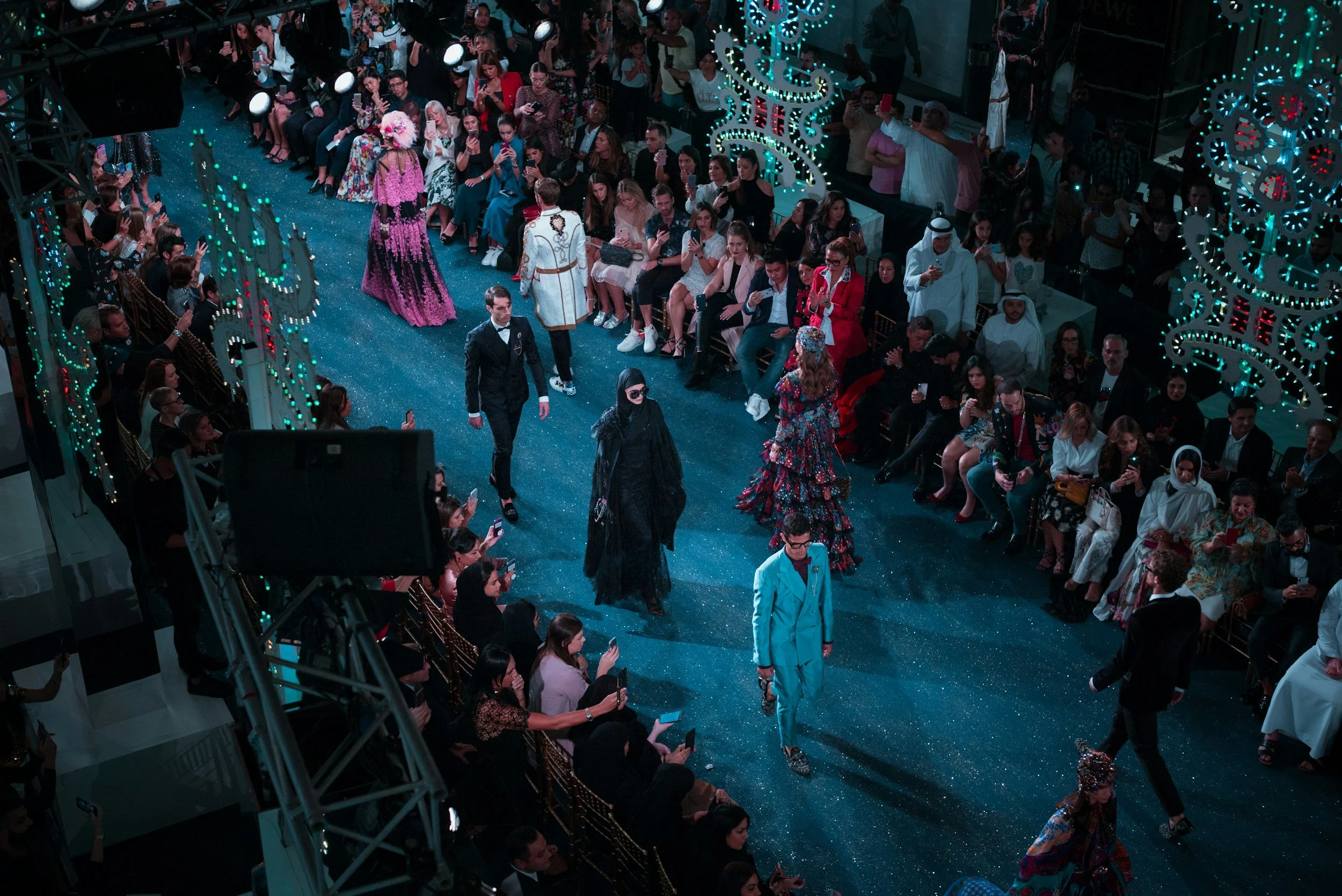
Credit: Michael Lee / @guoshiwushuang
More and more, brands are looking for new ways to engage with audiences, turning to digital lookbooks, non-traditional or non-structured shows, hoping to expand its reach beyond its traditional market or home country. But some use it to spread a wider message.
It started ten years ago, when UK models used London Fashion Week to protest the industry’s obsession with thinness. More political messages followed: Vivienne Westwood used her platform to protest fracking, PETA has used the occasion multiple times to protest the use of fur, and several activist groups came together last year to protest billionaires in fashion.
But the practice isn’t London-centric: Stella Jean generated a ton of buzz by sitting out of Milan Fashion Week in 2023 after famously interrupting a National Chamber of Italian Fashion press conference to purport that that the nonprofit did not deliver on its promise to support designers of color despite her efforts to raise awareness about racism in the industry. She even went so far as to start a hunger strike out of concern for fellow members of her collective, We Are Made in Italy, which launched in 2020 as a result of the Black Lives Matter movement and several racist gaffes among Italian fashion houses.
“The chamber told us, ‘We didn’t know there were Italian designers who weren’t white.’ We brought them to the runway. They supported us for two years. Then we were abandoned,’’ Jean said in a press conference. Afro Fashion Week Milano, another initiative aimed at generating diversity and inclusion in Italian fashion, did not receive the 21,000 euros it required to support the presentations of five designers. So Jean and members of WAMI instead presented a show in September 2023, funded by the participants and allies alike.
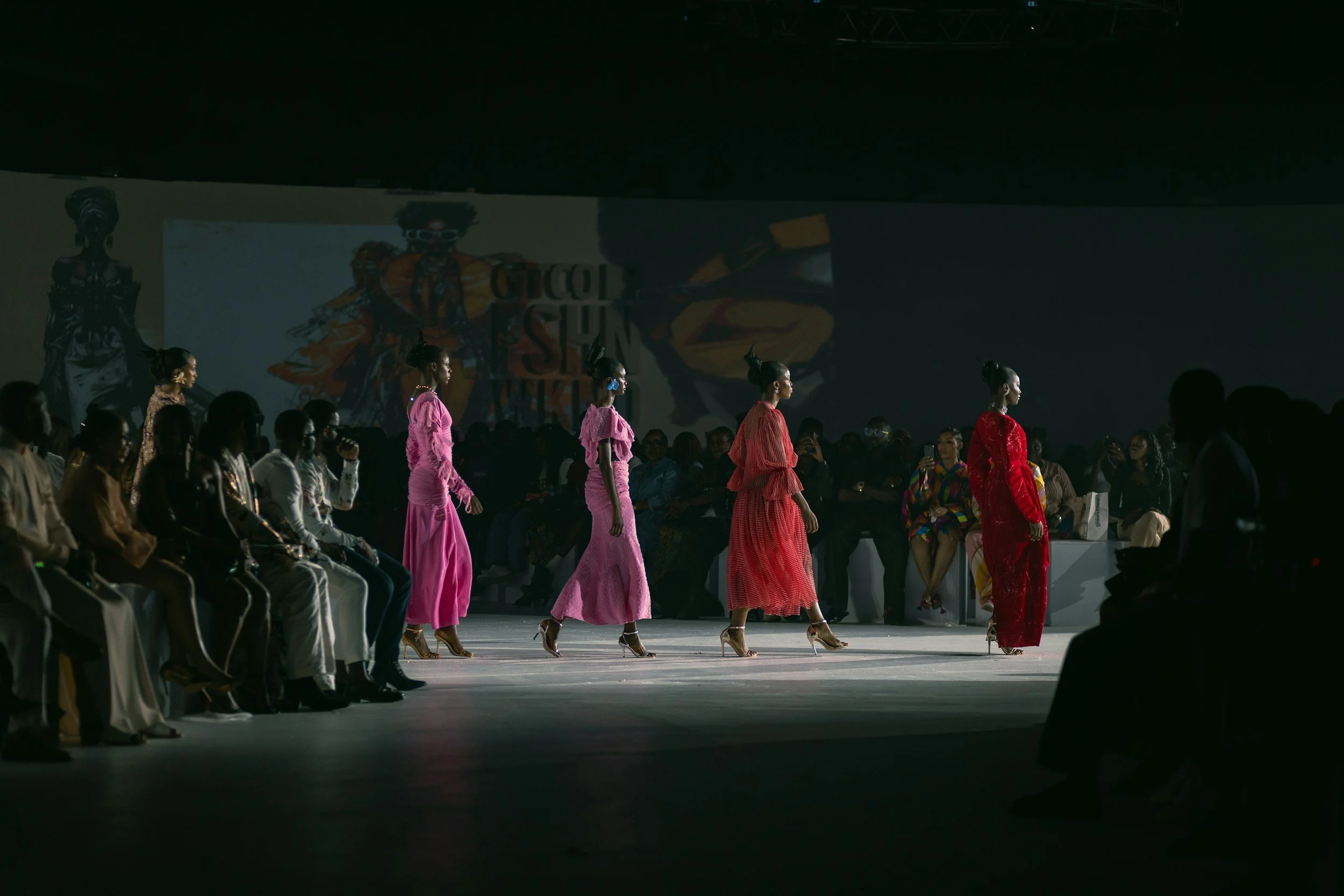
Credit: Ben Iwara / @1hundredimages
But that all seems to be set aside for the time being, with Williams and Storrie serving as trailblazers in more ways than one. They’ve been immediately globally embraced thanks to their groundbreaking roles in Heated Rivalry, and designers are quick to welcome them as the non-traditional faces of modern fashion. All four cast members have been celebrated at each of the Fashion Weeks they’ve attended, generating massive crowds and fanfare with every stop. Could their quick, non-traditional rise to fame serve as an injection of life into the age-old Fashion Week calendar? Could their success and widespread popularity press designers to become more inclusive? What impact will the young stars have on fashion after attending a season’s worth of shows, and even carrying the Olympic torch? Could they make waves in fashion like they did in film? Will Jean’s pleas for equality in Italian fashion be overshadowed by their attendance in a traditional fashion week model?
It seems only time will tell.