
LE SANDAGA SHOP HONOURS SENEGALESE TRADITIONS AND LEGACY
By: Hillary LeBlanc
While countries like Senegal remain deeply rooted in artisanal work, trade, handcrafted merchandise and bartering there is a growing sentiment to move away from these jobs. In a desire to find success, and more lucrative employment, corporate jobs that move away from fashion and the arts are becoming increasingly desirable to the young generation. For designer and shop owner Khadja Aisha Ba, the push away from creativity made her embrace it even further - leading to a store front that has become a home and cultural hub for many.
Ba never expected to work in fashion, but knew how to sew at a young age, learning from her grandmother and mother. She was described as goofy based on how she would accessorize, wear her oversized Grandpa’s clothes and the way she styled herself. Her mentality around working in fashion shifted as she used fashion to speak her mind and protest issues that she felt passionate about, but also felt pulled to discuss how design unlocked memory and emotion.
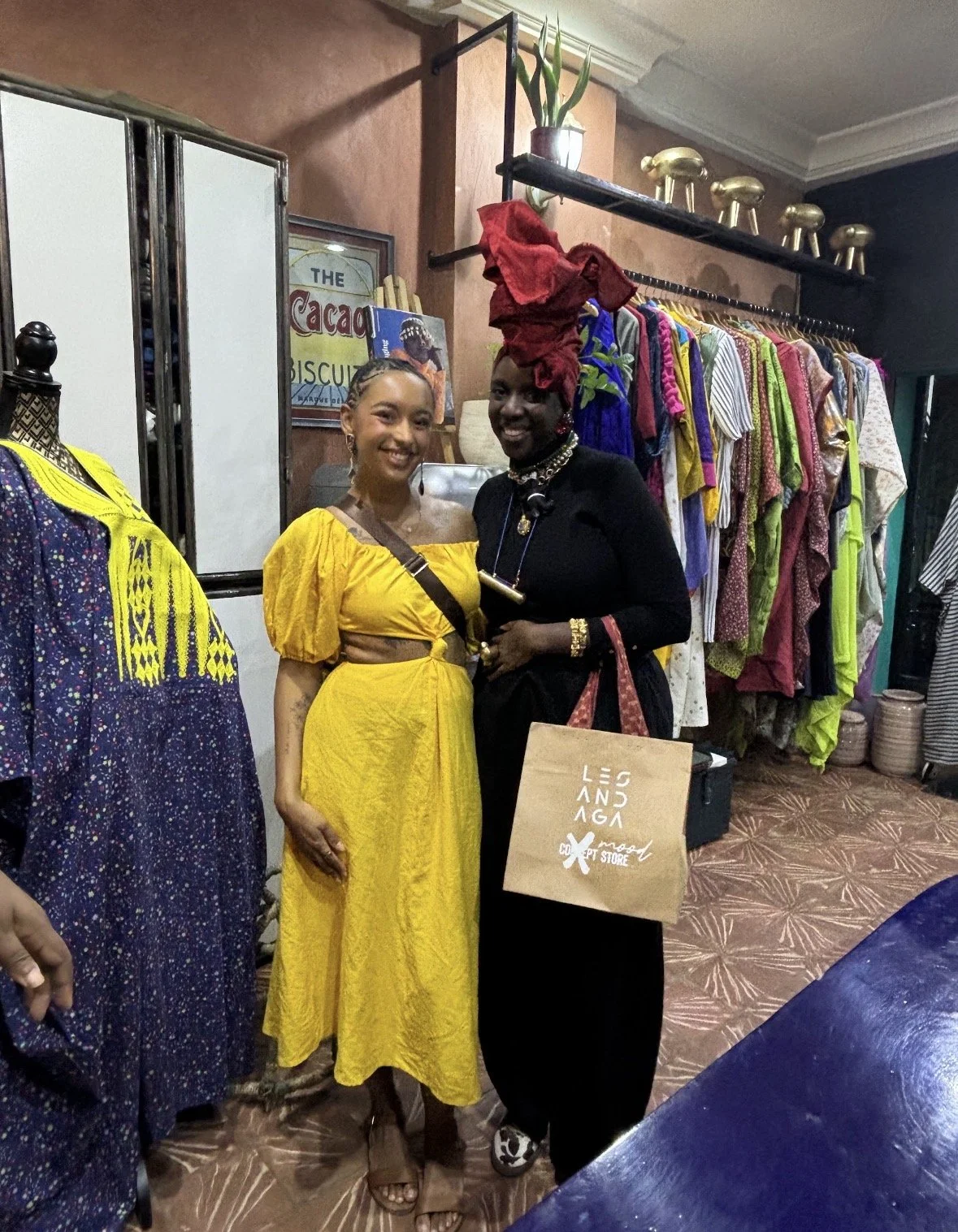
When building her store, these elements of memory were rooted in each part. The name Le Sandaga honours the Sandaga Market where many artisans work and create textile based pieces that are for sale all around Dakar, including items for the kitchen, clothes, accessories, toiletries and more. Her bathroom is named after Ruqu Disquette, an area of Dakar where women would go buy their jeans. For Ba, all of this is part of a bigger manifesto: when you don’t know where to go, come back to where you come from.
Much of Ba’s success has been described as cultural deconstruction. Through her art practice and her store, she has dismantled ideas of cultural appropriation. Her designs are all created in Senegal, but sold in Brooklyn, Nigeria and Cameroon. Often, store owners expected her works to be flawless and Ba would explain that working with imperfection is part of the culture. Ba explains, “The store owner explained how the American market works. She said ‘This is America. We don’t know anything about imperfection’. I said, ‘so you educate them about imperfection.’” She knew those who knew her brand would know what to expect, even in Brooklyn. Because of the nature of working with raw materials, by hand, in sustainable and ethical ways - it is hard to produce things of a seamless quality that someone might expect from a major brand, or even what we see from factory made garments.
She’s also transformed cultural expectations in other ways. What was somewhat shocking to the Dakar community was her creation of a boubou in camouflage. The boubou is a traditional, boxy, dress, worn by many women in the community. Admittedly, the avant-garde remaking of something people saw as traditional didn’t initially sell well. It sat in Le Sandaga shop for three years until supermodel Naomi Campbell bought it leading to Ba selling out completely within the week. To her, this was a part of cultural deconstruction. Reimagining something traditional to the Senegalese community and modernizing it so it can be appreciated and shared with the world in a new way.
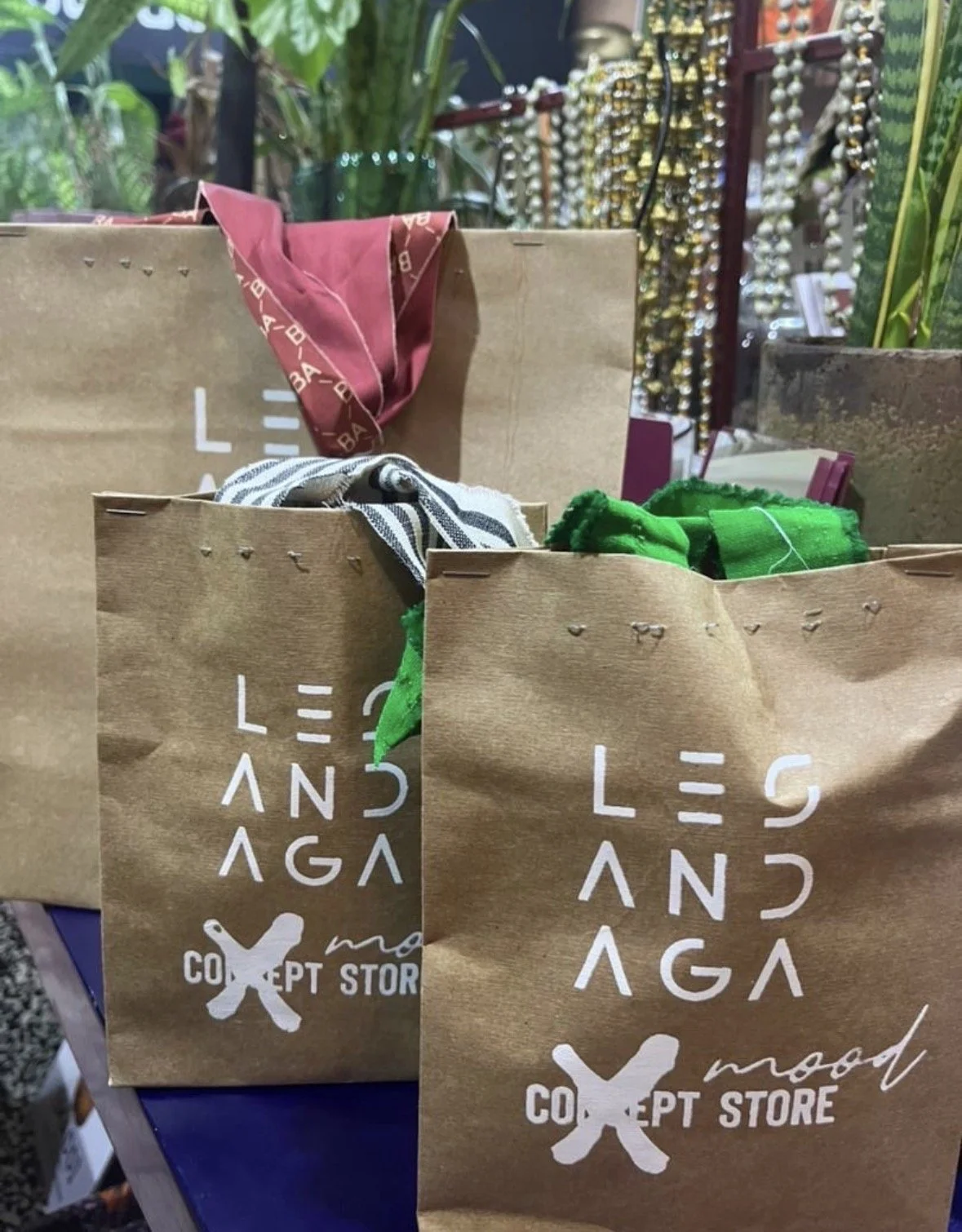
Ba was also a key partner in the Chanel show that took place in Dakar in 2022. She used the opportunity to learn from the powerhouse brand but also to teach those in the Chanel team and their VIPs how she works in fashion in Dakar. Ba held classes in the museum that Chanel hosted where she taught handsewing, showed how works are created in an artisanal way. To Ba, this is part of legacy building. “When you are working with an artisan, they want their son to work in an office.. They don't want their work to be passed down because it's not as valued compared to corporate. We need to put more value in the arts. I think that it's more important to keep those traditional ways of working.” Ba’s workshop through Chanel shared this importance with the local community but to those who are also viewed as the upper echelon of fashion.
These ethics are fundamental to Le Sandaga store. Whether it’s honouring places in the city, the goods and clothes that are sold which honour tradition and culture - Ba uses her platform to share these values through her art and education widely. Her store is viewed as a community hub. At times she closes the doors of the shop and will have a meal with the community while talking about tradition. She will show customers how traditional incense burners work in her store. She has found a beautiful way to marry tradition and modernization for Dakar, while exporting these cultures in an appreciative way to the world.