
HOW THE SHIFT TO FAUX FUR BECAME A LASTING MOVEMENT
By: Hillary LeBlanc
Fur has long symbolized luxury, with evidence of humans wearing fur garments dating back 120,000 years. In the 20th century, fur evolved from a practical necessity into a fashion statement. As ethical concerns grew, movements advocating for bans on real fur and promoting synthetic alternatives gained momentum. Throughout the 1900s, faux fur developed rapidly, and today it dominates the market, with ongoing innovations continuing to improve its look and performance.
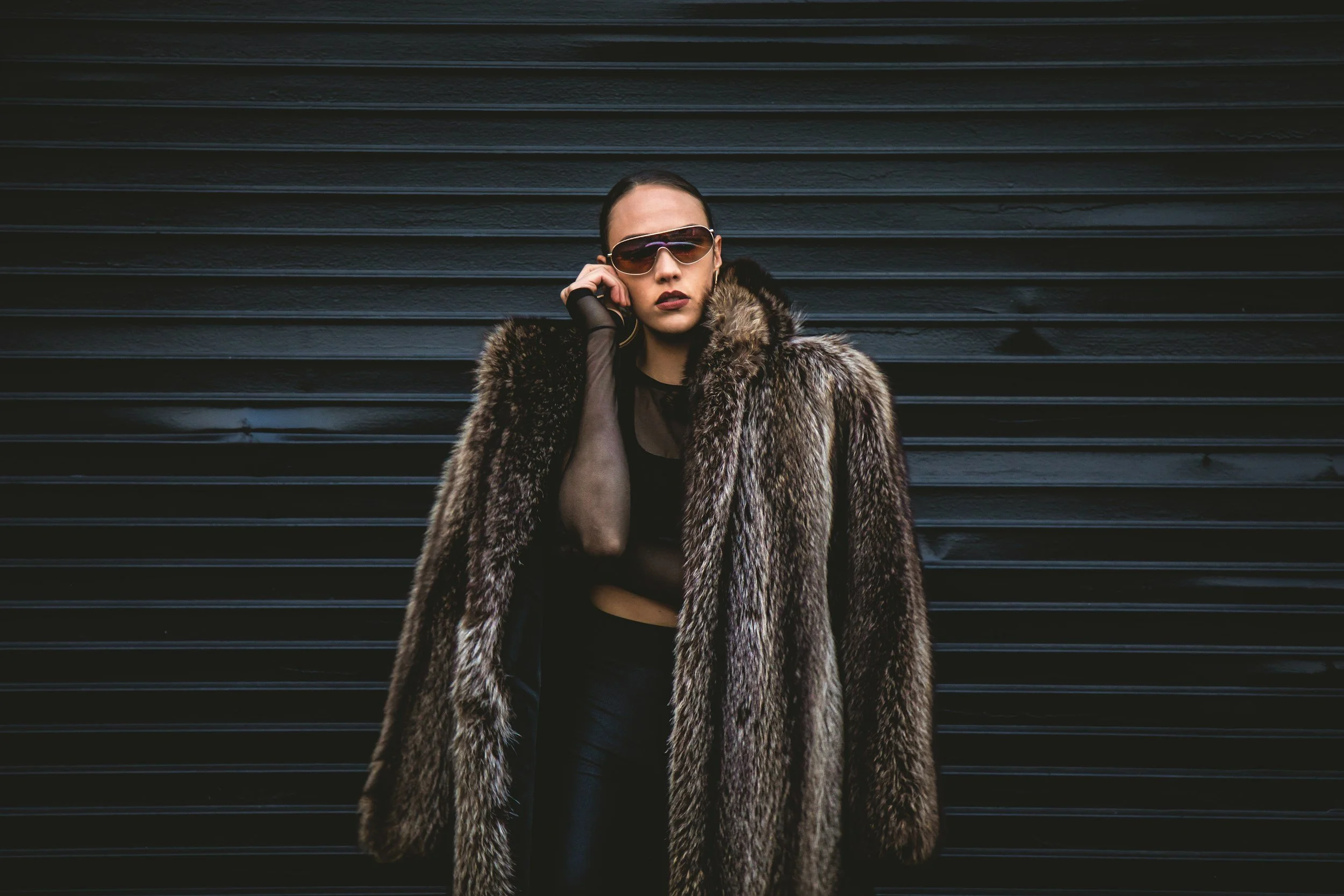
Faux fur first appeared as a fur alternative in 1929, when it was introduced as a synthetic alternative to real fur. The first versions were made of alpaca hair but were not realistic in appearance or texture. By 1957, fake furriers were making attempts to replicate mink, beaver, chinchilla, seal, raccoon, ermine, pony and giraffe, some with more success than others. It didn't take long before those concerned with the rights of animals spoke out, especially once big cats started being used for fur in the mid 1960s.
Source: Todd Kent / @churchoftodd
Advancements in textile technology during the 1950s and 1960s greatly improved the quality of faux fur, with acrylic polymers and synthetic fibers enabling manufacturers to more closely replicate the texture and appearance of real animal fur. These innovations emerged alongside rising public awareness of animal welfare, helping to position faux fur as both an ethical and fashionable alternative.
Since those early developments, new generations of faux fur have been created with a focus on reducing reliance on synthetics and minimizing landfill waste. Among the most notable innovations is Savian, a 100% plant-based fur made from nettle, flax, and hemp sourced in Europe and produced in Italy. Developed by BioFluff, Savian debuted as a longline coat by Stella McCartney during COP28 in November 2023 and was later used by Ganni in 2024 to create a collection of bags for Copenhagen Fashion Week. Savian can also be derived from agricultural waste streams and its production generates approximately 40–90% fewer CO₂ emissions compared to high-quality synthetic fur.
BioFluff participates in La Maison des Startups, an LVMH accelerator program supporting emerging sustainable solutions across the group’s luxury brands, including Louis Vuitton, Christian Dior, Fendi, and Céline. Yet, in contrast, LVMH also helps fund the International Fur Federation, a global certification and traceability body for real fur.
Another plant-based alternative on the market is ECOPEL, which continues to expand the growing landscape of next-generation faux fur.
Source: Elaine Rystead / @elainery
Possibly the biggest reason for the faux-fur movement is due to the statistics surrounding animal treatment. It is reported that over 100 million animals die annually for the fur industry – mostly in farms, though some are caught in the wild using traps and suffer for several days.
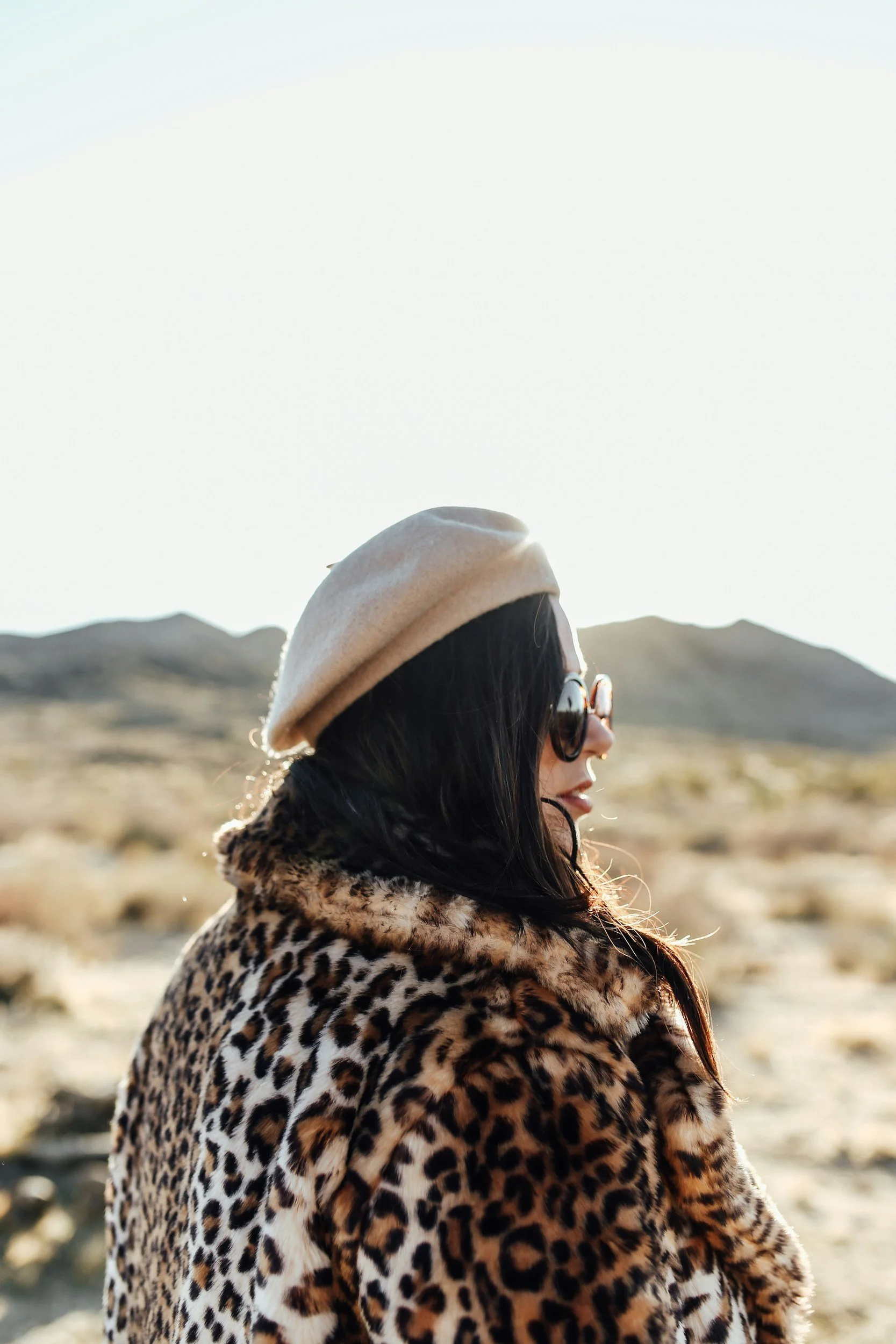
Faux fur also remains in style for several reasons. Due to the synthetic nature, the fabric can be turned into a variety of colors as opposed to shades of grey or brown from the animals we procure real fur from. Recent trends including the Mob Wife Trend, where TikTok-ers emulated the style of mob wives from hit shows like The Sopranos, donning fur and jewels. This trend saw fur and faux fur being shared across social media widely.
As fur remains in fashion, many are trying to keep faux fur out of landfills by keeping it in circulation. Faux fur rentals and the use of wool as a similar alternative have increased. The global faux or artificial fur industry is projected to grow at a rate of over 15% by 2027 and shows no signs of slowing though some are starting to wear real fur again.
Cover Image: Taylor Heery / @taylorheeryphoto