
HOW THE FASHION INDUSTRY IS RESPONDING TO ONE OF THE BIGGEST RECYCLING CHALLENGES: GARMENT TRIMS
By: Tiara Miller
As fashion brands accelerate sustainability commitments, attention is expanding beyond fabrics toward a less visible but increasingly urgent challenge: garment trims. Zippers, buttons, sequins, rivets, labels and decorative hardware are increasingly recognised as major barriers to textile recycling across the industry. Designers and manufacturers are responding with new construction strategies that prioritize recyclability while preserving creative integrity.
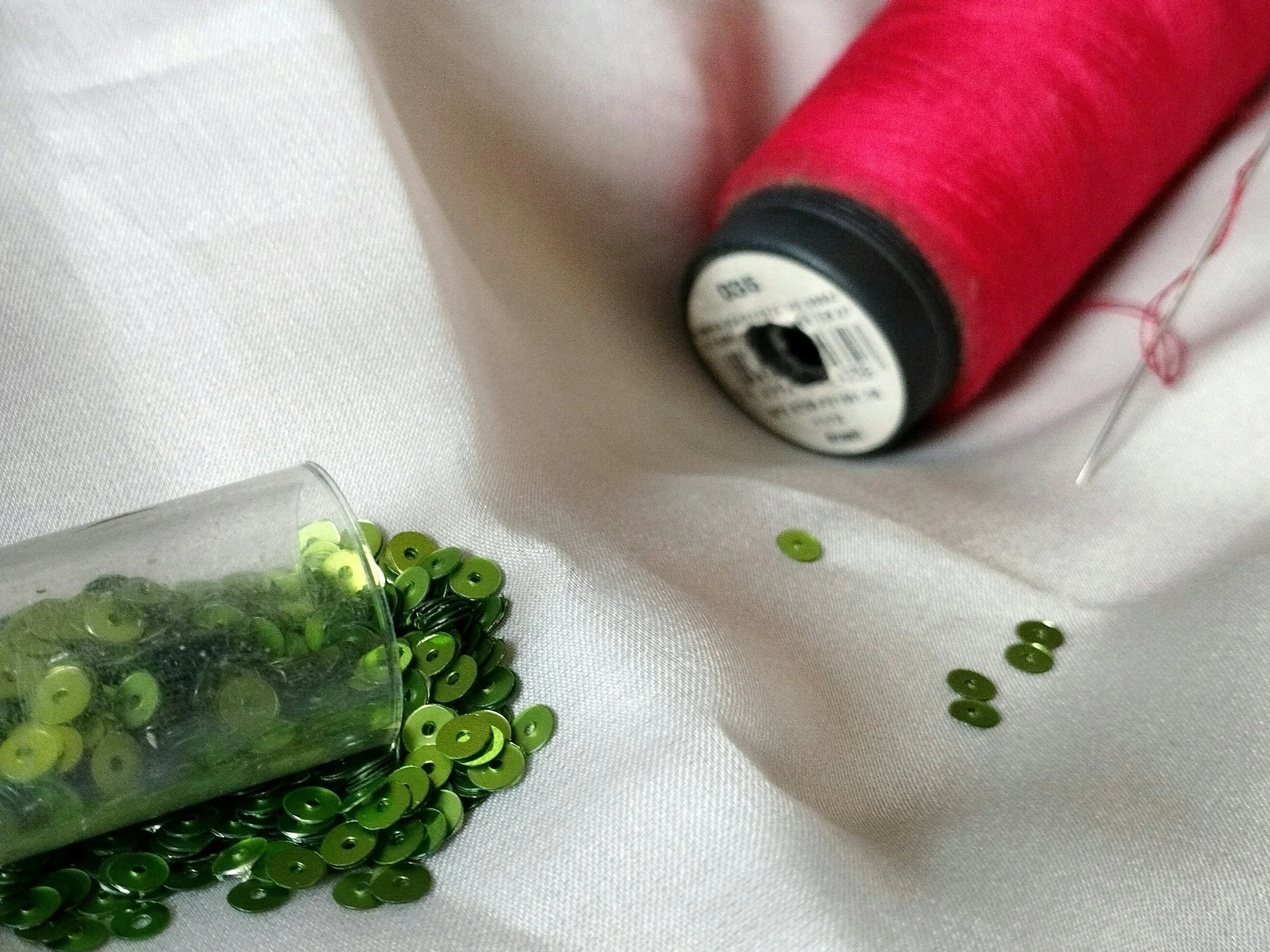
Although trims account for a relatively small portion of a garment’s composition, they often determine whether an item can be recycled. Textile recycling systems typically process materials by fibre type. When garments combine mixed components such as metal zippers attached to polyester fabrics or plastic sequins sewn onto cotton, automated recycling becomes significantly more complex and costly. As a result, many garments are diverted from recycling streams altogether.
Credit: Paulo Pescada / @paulo_pescada
The scale of the issue is considerable. The Ellen MacArthur Foundation reports that less than one per cent of clothing material is recycled into new garments, with complex product construction identified as a primary contributor. The European Environment Agency has similarly identified trims as a persistent obstacle, noting that garments frequently require manual disassembly before fibres can be recovered, a labour-intensive process that limits efficiency and scalability.
In response, several brands are re-evaluating garment construction through a circular design lens. Danish fashion label Ganni has integrated circular experimentation into its sustainability strategy, collaborating with material innovation partners to explore simplified garment structures and reduced hardware use. The brand has emphasised that limiting unnecessary components can improve recyclability while enhancing garment durability.
Los Angeles-based label Reformation has prioritized material transparency and engineering garments with end-of-life recyclability in mind. In its sustainability disclosures, the company states that designing for recyclability involves selecting trims that align with fibre recovery processes and minimizing embellishments that disrupt recycling systems.In the Coachtopia: The Road to Circularity documentary series, Mayer said that “circularity is not just about changing the way we make, but changing the way we think,” emphasizing the need for cultural and design shifts toward reuse, repair and responsible resource management.
Modular construction is emerging as another promising solution. Designers are increasingly introducing detachable embellishments and replaceable closures, allowing trims to be removed prior to recycling or replaced during repair. Sustainability advocate and fashion writer Aditi Mayer has consistently promoted life-cycle thinking within garment production. In public discussions on circular fashion, Mayer has stated that sustainable design requires consideration of how garments can “live multiple lives through repair, reuse and responsible end-of-life systems.”
Policy developments across Europe are further accelerating change. The European Union is advancing textile circularity regulations through its Sustainable and Circular Textiles Strategy, placing growing emphasis on durability, repairability and recyclability. The European Environment Agency reports that extending the lifespan of clothing by nine months can significantly reduce carbon emissions, water consumption and textile waste associated with production.
Material innovation is also offering alternatives to traditional trims. Some designers are replacing external hardware with integrated decorative techniques such as digital printing, embroidery and engineered weaving, which eliminate the need for additional components while preserving visual detail. Research published in the academic journal Sustainability identifies material simplification and mono-material construction as among the most effective strategies for improving textile recyclability while maintaining design quality.
Credit: Luba Glazunova / @l_glazunova
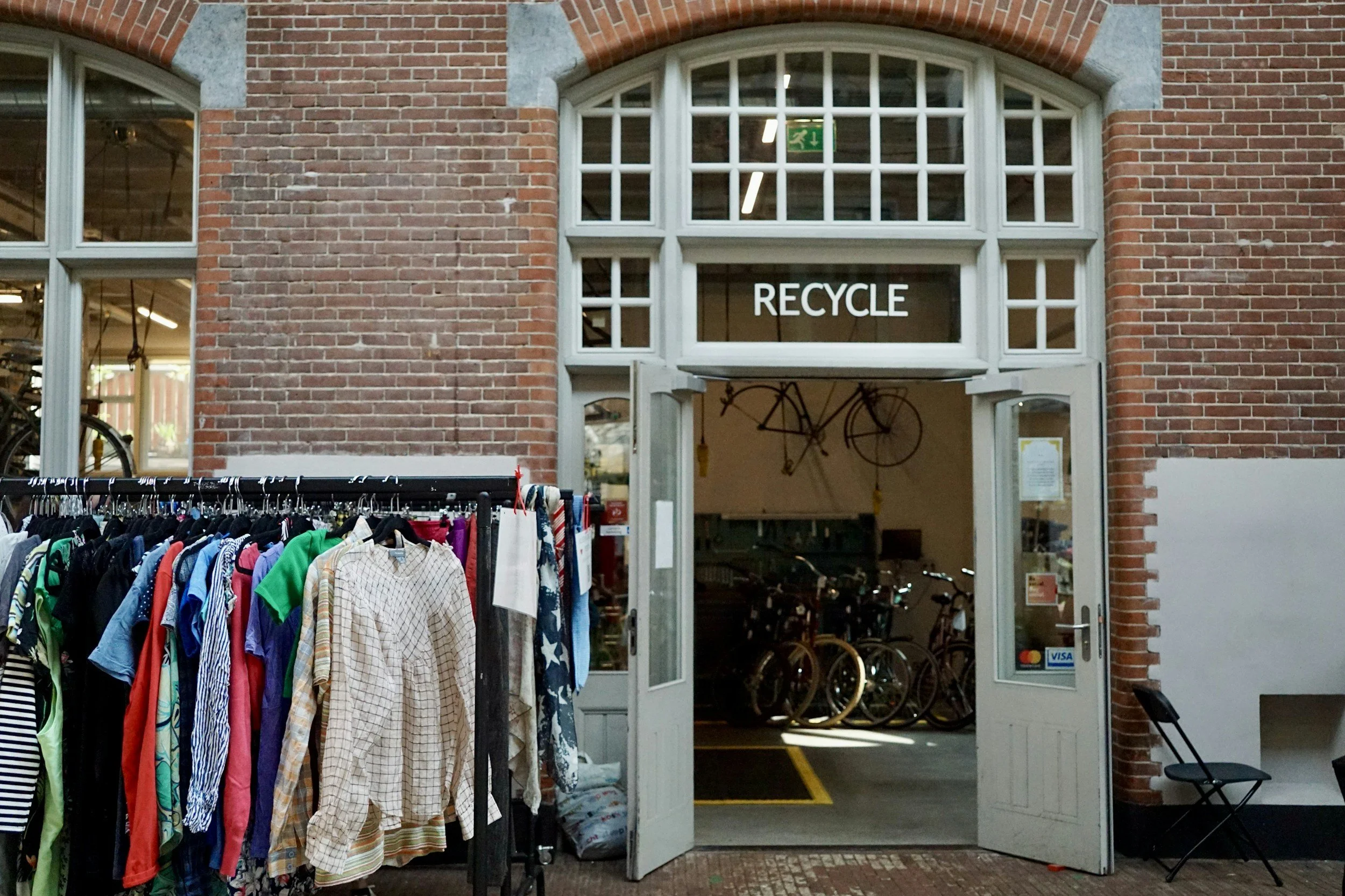
Consumer behaviour is reinforcing these industry shifts. The resale and repair markets continue to expand encouraging brands to produce garments designed for longevity and restoration. Stylists and sustainability educators across digital platforms increasingly promote tailoring, visible mending and wardrobe longevity as practical alternatives to garment disposal.
Industry analysts suggest that incremental design adjustments can generate measurable environmental impact when applied at scale. Circle Economy, a Netherlands-based sustainability research organisation, estimates that textile production accounts for approximately 3.5 per cent of global greenhouse gas emissions. The organisation has emphasised that circular design and improved recycling infrastructure are essential to reducing the sector’s environmental footprint.
While trims have historically been viewed as finishing touches, they are increasingly recognised as critical factors in sustainable garment design. As circular standards continue to evolve, the fashion industry is acknowledging that meaningful environmental progress may depend less on dramatic innovation and more on refining the smallest components of clothing production.
Cover Image Credit: zai Dan / @danzai_ph