
CHRISTOPHER BATES IS RE-IMAGINING MENSWEAR
By: Erica Commisso
Christopher Bates doesn’t think his menswear clothing designs are for everyone–and he has no issue with that. Personal style, he says, is deeply and inherently individual, and he designs for people who share the values of the brand–those who are positive, confident, stylish, and appreciate and respect quality, craftsmanship, and the finer details in life.
“Rather than defining that customer by age, background, gender, or creed, I think of them as being united by a shared outlook and an appreciation for thoughtful design,” he says. “I believe that how you dress—whether for everyday life or for life’s most significant occasions—becomes part of the thread that weaves together the fabric of your life. Clothing is a powerful and dynamic form of self-expression. It can inspire, instill confidence, communicate who you are, and ultimately help shape your identity.”
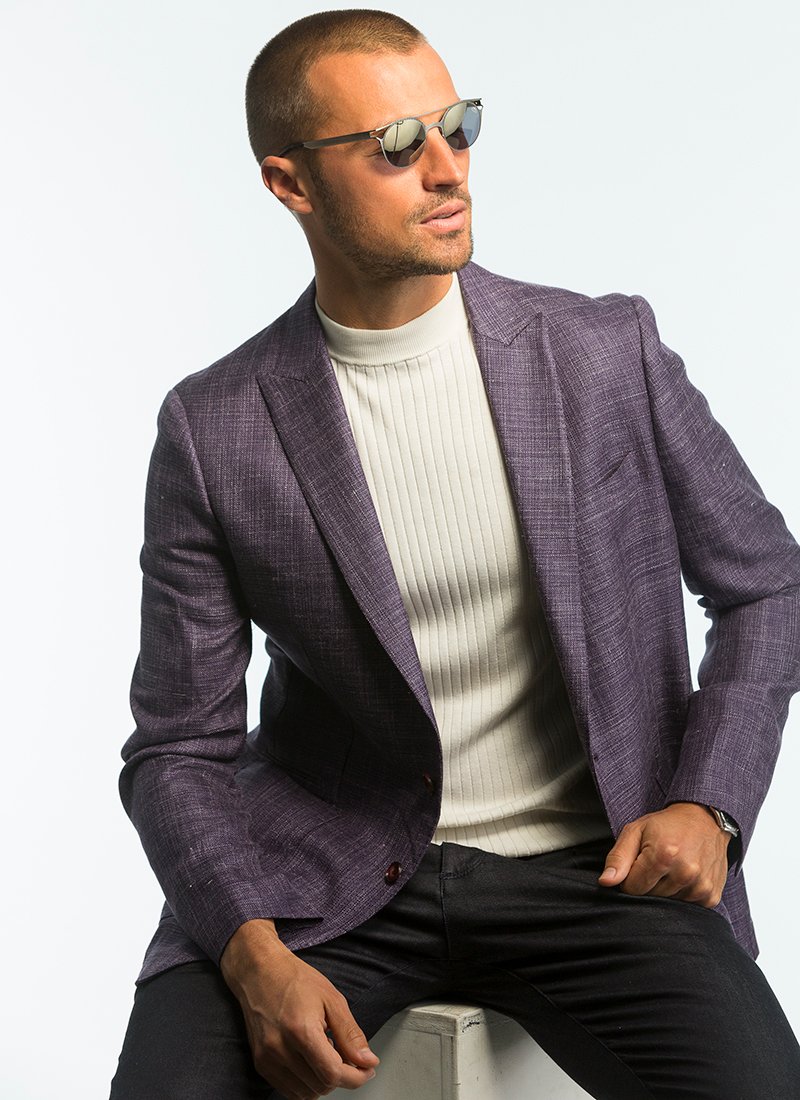
Source: Christopher Bates
Bates was born in Canada but moved to Milan, Italy, in 2014 to commit to his eponymous brand. And being in Italy allowed him to attend trade shows and traverse the country in search of suppliers who Bates felt aligned with his vision. “Finding an exceptional fabric mill or manufacturer can feel like discovering treasure, but there also must be a strong mutual fit. Some of the partners we began working with in those early years are still part of our network today, although the search for new and exceptional craftsmanship is an ongoing process,” he says. Italian manufacturing is highly specialized, often focusing on one garment like a button-down shirt or or pair of trousers. And so he builds a network of craftspeople who best suit his needs and meet his quality standards. “When selecting fabrics, I look for materials that are distinctive, luxurious, and often technically innovative, with qualities such as mechanical stretch, water repellent, breathability, temperature regulation, or double-faced construction. When evaluating producers, we meet the people who own and operate the factories, visit the facilities, and carefully examine the specific products they specialize in and the quality of their work.”
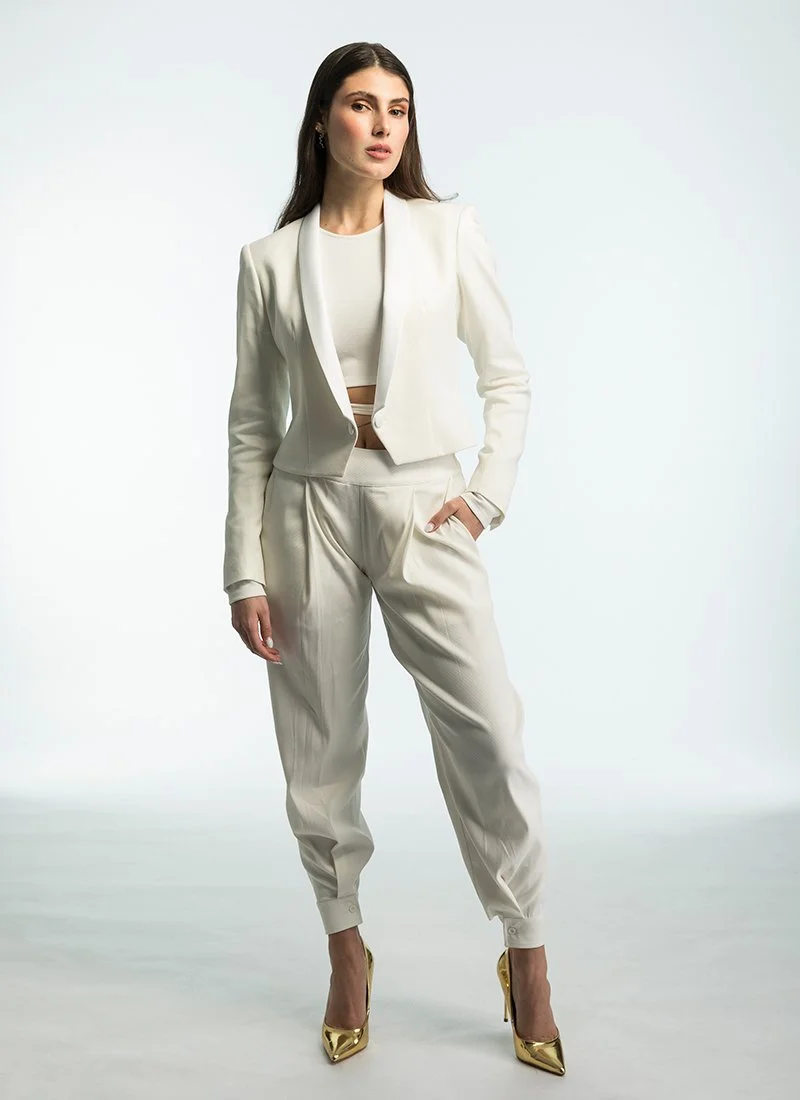
Source: Christopher Bates
His process and his vision fully aligns with the idea of slow fashion, a concept Bates fully believes in. “My philosophy prioritizes quality, beautiful materials, artisanal craftsmanship, responsible production, and timeless design over rapidly changing trends and disposable consumption,” Bates says. “Every piece is thoughtfully designed and carefully constructed to become a wardrobe staple or signature piece that you can wear proudly for years. I always encourage people to buy fewer, better-made garments and to invest in pieces that are created to last.”
And Bates’ ethos and identity has found him resounding success: He dressed F1 driver Charles Leclerc and MLB player Jose Bautista for a charity race and for his wedding, respectively, both of which involved working closely with the athletes to create a look that represented them. It’s proof of success for a designer who’s had fashionable aspirations since his youth.
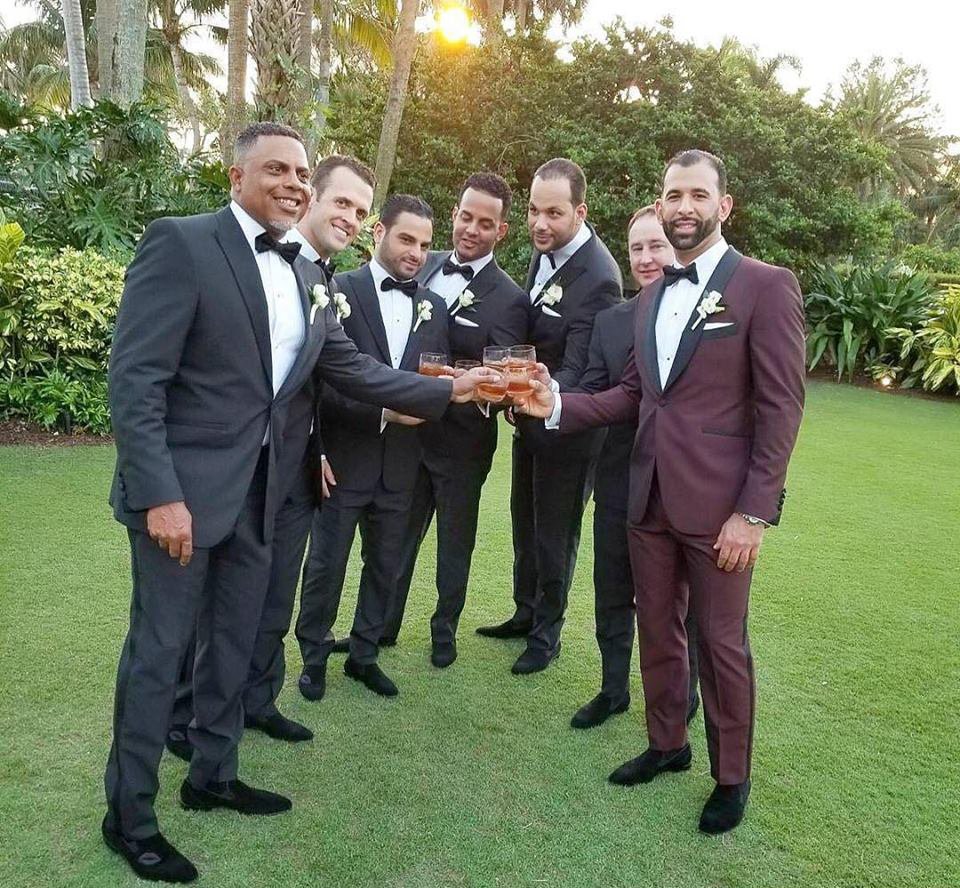
Jose Bautista / Source: Christopher Bates
“Growing up in Vancouver in the 1980s and 1990s, I was drawn to brands like Stüssy, T&C Surf Designs, and Chip & Pepper—and especially to anything neon. I have always been creative, so I began sketching my own logos and clothing ideas, and by the age of 13, I had filled an entire sketchbook with designs. However, growing up in Vancouver at that time, I did not realize that fashion could be a viable career,” Bates says. “Everything changed in my early twenties when I began traveling through Europe. I became deeply inspired by the culture of elegance, design, and craftsmanship that surrounded me. During that period, one of my mentors asked me a powerful question, drawn from a well-known quote by Robert H. Schuller: ‘What would you attempt to do if you knew you could not fail?’”
Fashion, he knew, was his answer. And he knew he wanted to focus, find his niche, and help people find and refine their style identity. “To me, representation means creating space for people to be seen, respected, and valued for who they are. In fashion, that means celebrating style and beauty through a diverse range of people to be seen, respected, and valued for who they are. In fashion, that means celebrating style and beauty through a diverse range of people, rather than suggesting that there is only one ideal,” he says. “I do not believe that every design must appeal to everyone, but I do believe that people of different ages, backgrounds, identities, and body types should have the opportunity to see themselves reflected in fashion and to express themselves with confidence and authenticity.”