
ZARA’S HIGH FASHION PIVOT: HOW POLICY IS FORCING FAST FASHION TO RETHINK SUSTAINABILITY
By: Tiara Miller
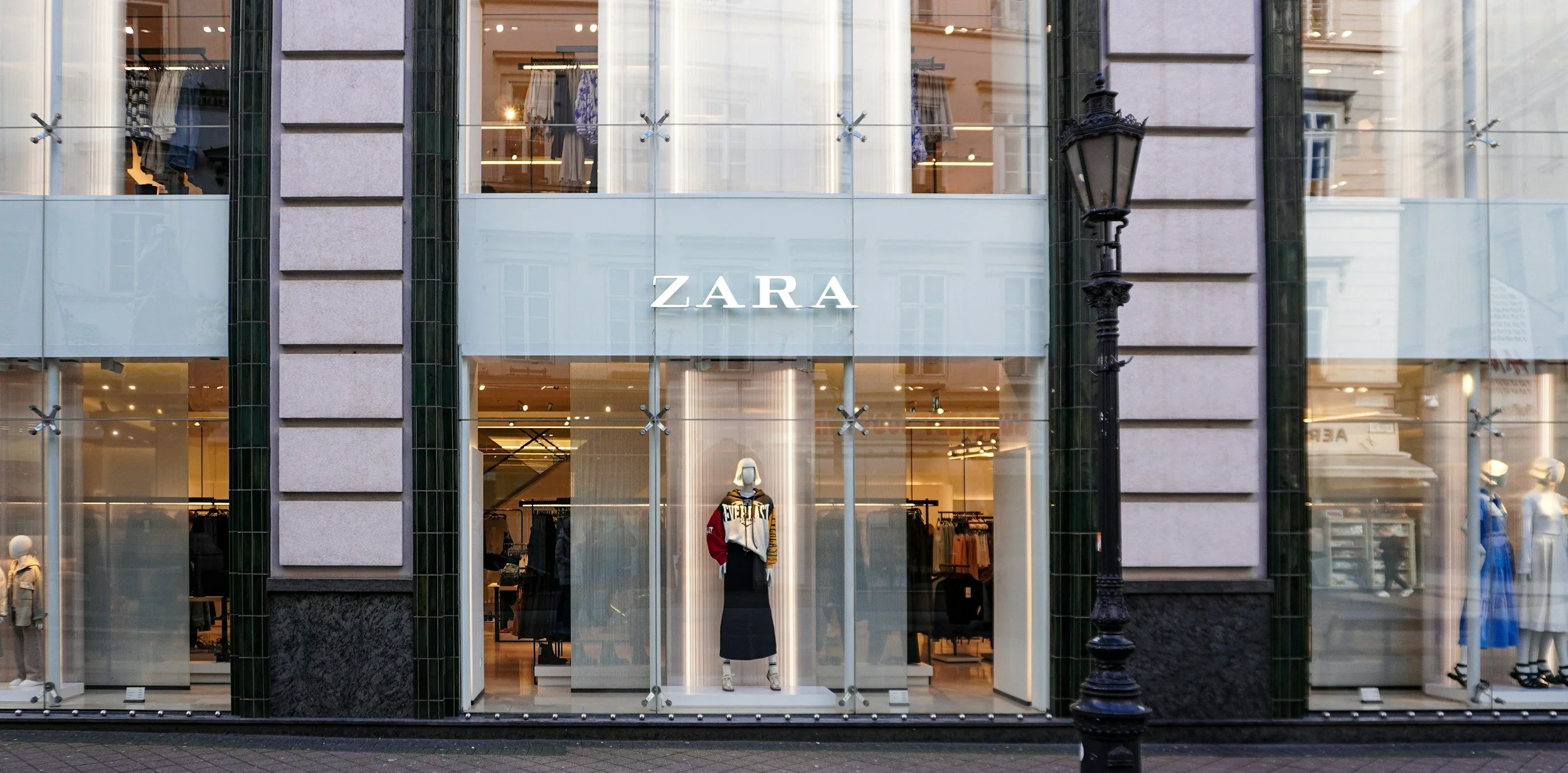
As sustainability policy tightens across Europe, fast fashion is entering a new phase of accountability. What was once driven primarily by speed and volume is now being reshaped by regulation, requiring brands to reconsider not only what they produce, but how they design. Increasingly, sustainability is being addressed at the earliest stages of creation. A recent collaboration between Spanish retailer Zara and British designer John Galliano reflects how policy and creativity are beginning to align.
Galliano, widely recognised for his tenure at Christian Dior from 1996 to 2011, returns following a two-year hiatus with a project grounded in reinterpretation. Rather than producing entirely new collections, the partnership focuses on reworking Zara’s existing archives. Past designs and unsold inventory are transformed into updated pieces, shifting the role of excess stock from liability to creative resource.

Credit: Quang Vuong via pexels
This approach is closely tied to regulatory change. As of July 19, 2026, the European Union will ban the destruction of unsold clothing and footwear, requiring companies to reuse or recycle excess inventory. The legislation is part of a broader push toward a circular economy, where materials are kept in use for as long as possible. For fast fashion brands, this represents a structural shift. Inventory management is no longer only a logistical concern. It is now a design consideration.
Zara’s response demonstrates how policy can drive innovation rather than restrict it. By drawing from its own archives, the brand reduces reliance on new raw materials while introducing a more deliberate approach to collection development. Instead of defaulting to continuous production, design teams are encouraged to evaluate existing assets first. This method supports compliance while also reshaping creative priorities.
The influence of high fashion plays a key role in this transition. Couture has long embraced practices that extend the life of garments. Pieces are carefully constructed, maintained and often reinterpreted over time. These principles, once associated with exclusivity, are now informing broader industry practices. When applied within a fast fashion framework, they offer a model for balancing efficiency with longevity.
Galliano’s involvement reinforces this shift. His work is known for its use of historical reference and narrative, often reimagining existing forms rather than creating in isolation. Applied to Zara’s archives, this approach supports a more thoughtful use of materials. Design becomes a process of refinement and transformation, rather than constant replacement.
Policy is also influencing how value is defined within the industry. As regulations discourage waste, the emphasis is moving toward durability, adaptability and reuse. This has implications for everything from material selection to garment construction. Details such as trims, closures and fabric combinations are being reconsidered to ensure compatibility with reuse and recycling systems.
There is also a broader cultural shift underway. Consumers are becoming more aware of how clothing is made and what it represents. Pieces that carry a sense of continuity are gaining relevance. Archival collections respond to this demand, offering garments that feel considered while remaining accessible. This balance is particularly important for fast fashion brands seeking to maintain their reach while improving environmental performance.
From an operational standpoint, integrating policy into design introduces a new level of discipline. Working within regulatory frameworks requires coordination across design, production and distribution. It encourages long-term thinking and reduces reliance on excess. In this environment, creativity is shaped not by unlimited output, but by the ability to adapt and rework what is already available.
While challenges remain in applying these practices at scale, the direction of the industry is becoming more defined. Regulation is no longer operating at the margins. It is actively shaping how collections are developed and how brands position themselves in a changing market. The intersection of policy and design is emerging as a central driver of innovation.
Zara’s collaboration with John Galliano offers a clear example of this shift. By aligning creative direction with regulatory expectations, the brand demonstrates that sustainability can be integrated into the core of its operations. The use of archival materials is not only a response to policy, but a reflection of a broader rethinking of value and design.
As fast fashion adapts to new standards, the role of design continues to expand. It is no longer limited to aesthetics or trends. It is becoming a tool for navigating regulation, reducing waste and extending the life of garments. In this evolving landscape, sustainability is not a separate initiative. It is embedded in the decisions that shape each collection from the outset.
Cover Image Credit: Bridget Imasuen via pexels