
THE FIRST PLUS-SIZED PATTERN DRAFTING TEXTBOOK IS HITTING SHELVES
By: Hillary LeBlanc
The surge in inclusive fashion and broader size representation across the market makes one thing undeniable: the demand has always been there. Society has seen an increase in plus-sized models on runways, more calls-to-action for inclusive sizing from luxury brands and a shift away from fat-phobic language. When considering how to fix the system that favours thinner people, the problem is often at the root - how designers are educated. Dr. Leila Kelleher and technical designer Gabby Brown have written a text book to guide the next generation into making plus-sized fashion in hopes that the ease of accessibility to this knowledge will increase the amount of plus-sized garments available to shop.
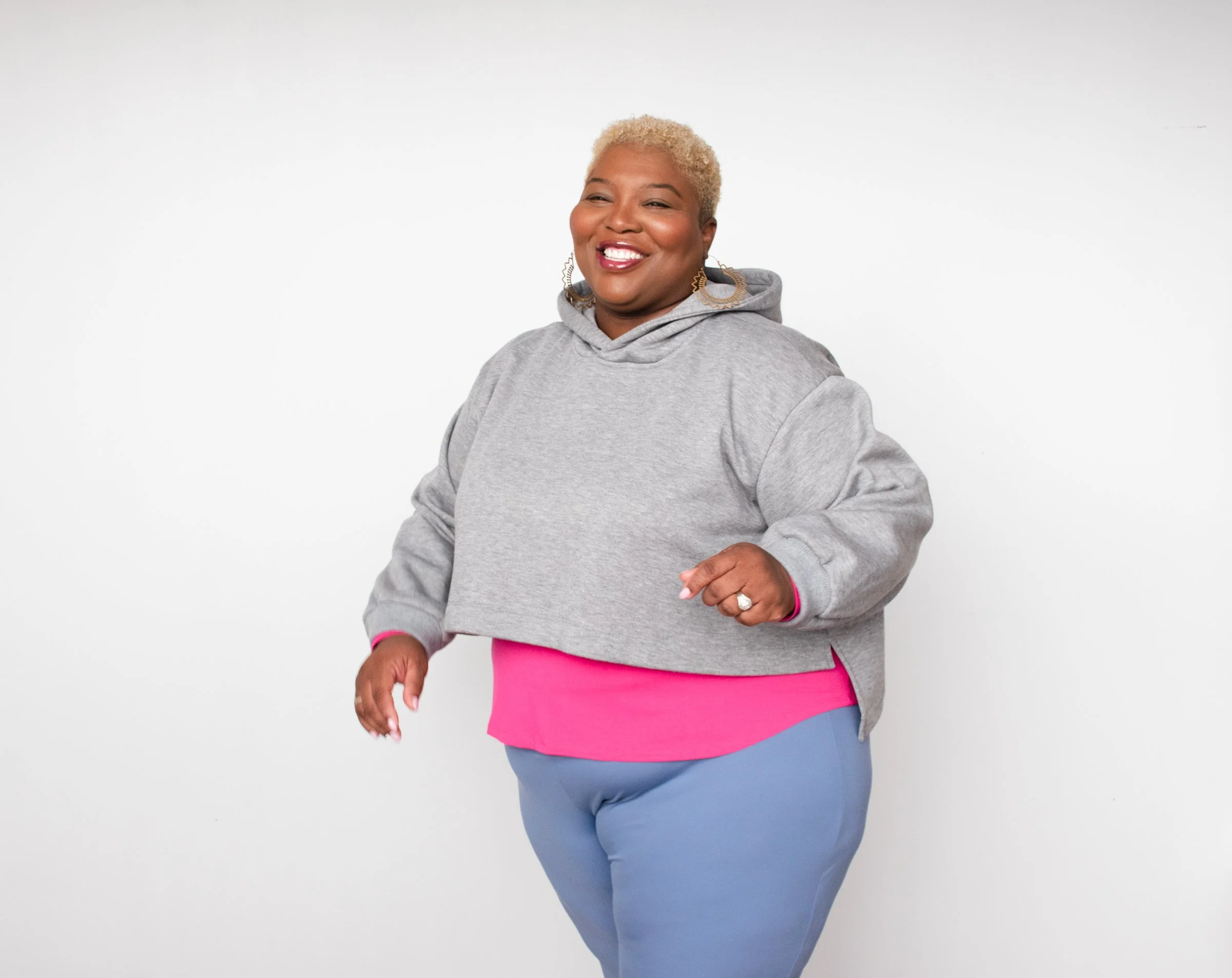
Dr. Kelleher started her career in fashion but did not feel she fit in, both as someone plus-sized and as someone who is Asian. Living in Australia, she found that people looked down on garments or items labelled as ‘Made in China’ and the lack of representation in race and size pushed her to take another path. Dr. Kelleher also experienced discomfort in fashion school when smaller sized peers were able to model in class, or had special privileges that she did not have as a bigger student.
Credit: Anne Zbitnew
After getting a PhD in biomechanics, she found herself reconsidering fashion from this new lens, looking at how bodies move. Dr. Kelleher also made clothes for herself but realized what she had been taught in fashion school, and the grading patterns didn’t work for plus-sized people. “I could tell right away it just wasn't going to work,” Dr. Kelleher shares. “I started a sewing pattern brand called Muna and Broad, Muna and Broad for people who wanna sew their own clothes. At the time, we were the only plus size exclusive sewing pattern brand who was really serving a wide range of customers.” She started Muna and Broad with a business partner and would offer patterns for up to size 40, and even did custom patterns for those above that size at no extra cost.
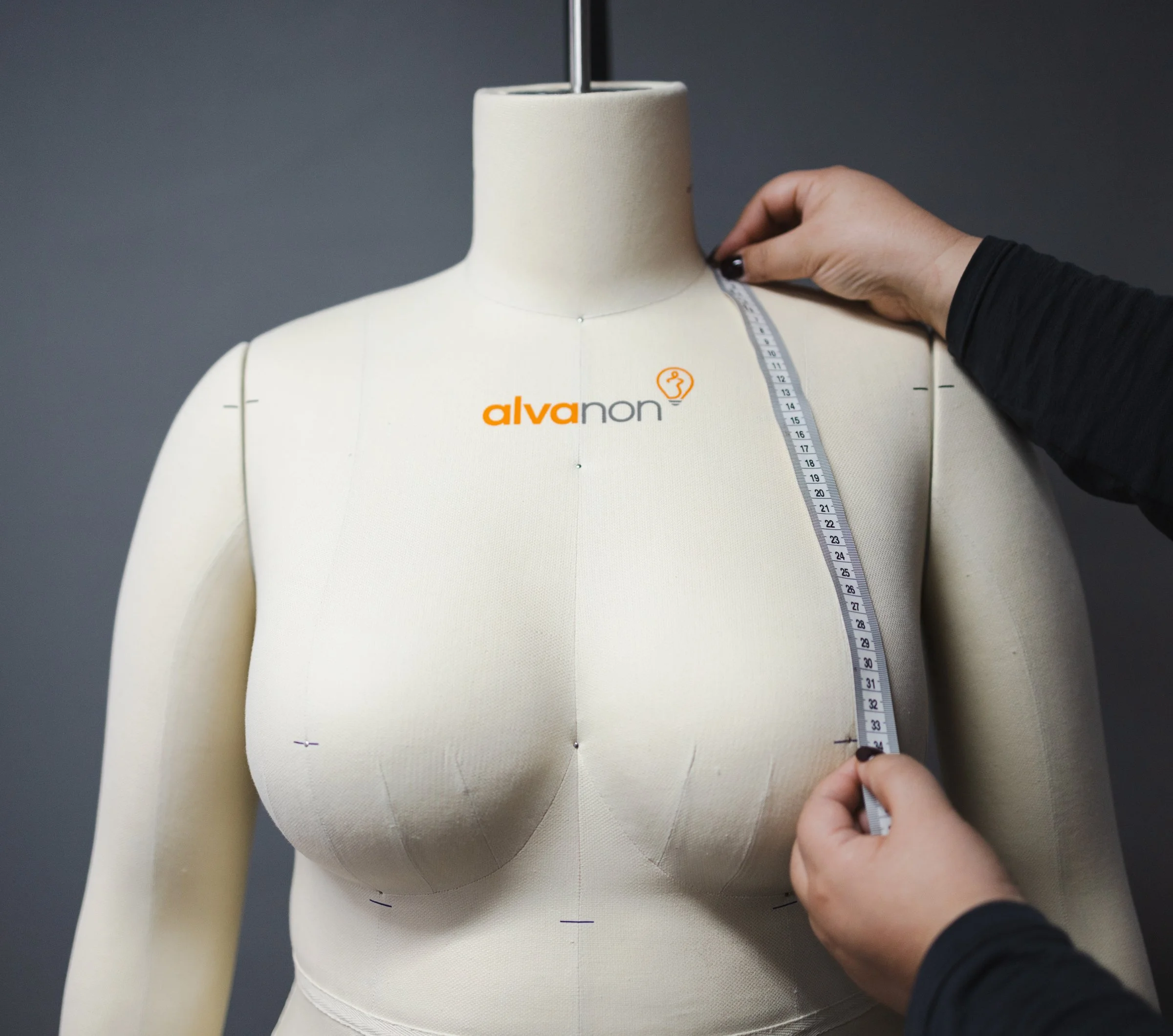
Dr. Kelleher became a professor and saw a lot of the same issues. Sample sizes that are taught in fashion courses are very small, size zero or size two, desppite the fact that the average size is eighteen. While she acknowledges having one dress form to work with standardised patterns for marking and is easier on the professor, it also only teaches students how to work with one size and shape body. The current textbooks offer grading and patterns exclusively for these smaller sizes and dressforms, meaning they completely do not work and would not fit a plus-sized body if you try to adjust to a bigger dimension or size. Not only does this impact inclusivity, and give an idea that only thin people are deserving of nice clothes, custom clothes, luxurious clothes, but if the average sized person is larger than what is taught then the current books are also hurting the students as they will need to re-learn drafting to appeal to their customer base.
Credit: Anne Zbitnew
Unfortunately, this issue goes beyond education, as this lack of knowledge is also missing from major companies. This has resulted in sustainable garments only being made in thin sizes as opposed to a variety of sizes, leaving plus-sized people to shop at Shien or ASOS where they cannot make environmentally conscious choices. Most of the time, should someone want a sustainable alternative they would need to make the garment themselves, which is where her book with Brown, Plus-Size Patternmaking for Womenswear becomes an ideal resource. A hidden secret about the text is that no matter what sizes you plug into the patterns, the drafts will be wearable, meaning the text is universal. Furthermore the book also offers guides for bodies that have been Assigned Male At Birth, because anyone can wear a dress, including those without breasts or ‘female’ body parts.
The book is available to purchase widely, but can only be used in classes should fashion professors globally choose to adopt the text. Only once a professor adds it to the teaching list of required books, will this textbook be used as part of lectures and on-going learnings. Brown and Dr. Kelleher hope the book will be added to libraries so both librarians and professors can see the benefit of having it as a resource in class. As the book is available widely, any designers globally can also purchase the book to expand the inclusivity of their own brands.
Credit: Anne Zbitnew
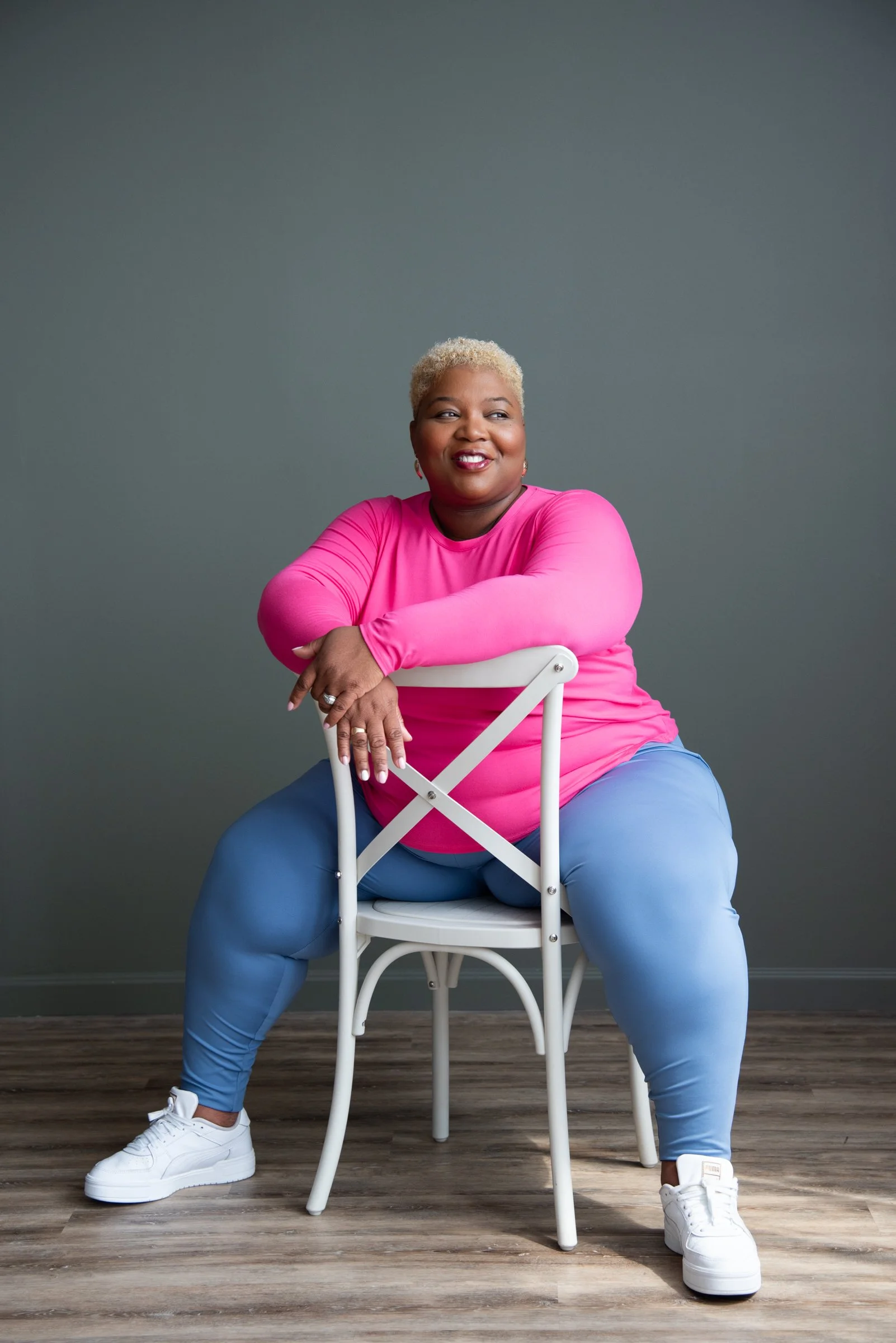
Dr. Kelleher shares that she hopes students coming out of fashion school will feel more comfortable creating any size of clothing, with no technical barriers because of their textbook. She also hopes students who use this book will see the added skill in being able to pattern draft for a variety of sizes. “It's like a sought after skill because not many people are experts at plus size pattern making,” Dr. Kelleher shares. “[The textbook] will give people a competitive edge in the job search, but also they will take this mindsets and ethos into the fashion industry. Change will slowly be created that way as well.”