
HOW THE RECYCLED WASTE BECAME WORLD CUP-WORTHY FASHION
By: Prachi Khatri
Every four years, the FIFA World Cup captures the attention of billions of people around the world. Football fans look up to the World Cup and seek inspiration from talented players, the best in soccer, bringing together 48 national teams. Fashion has a huge influence on the event and even drives buying trends. From sports jerseys to football shoes, the event drives billions of sales all over the world.
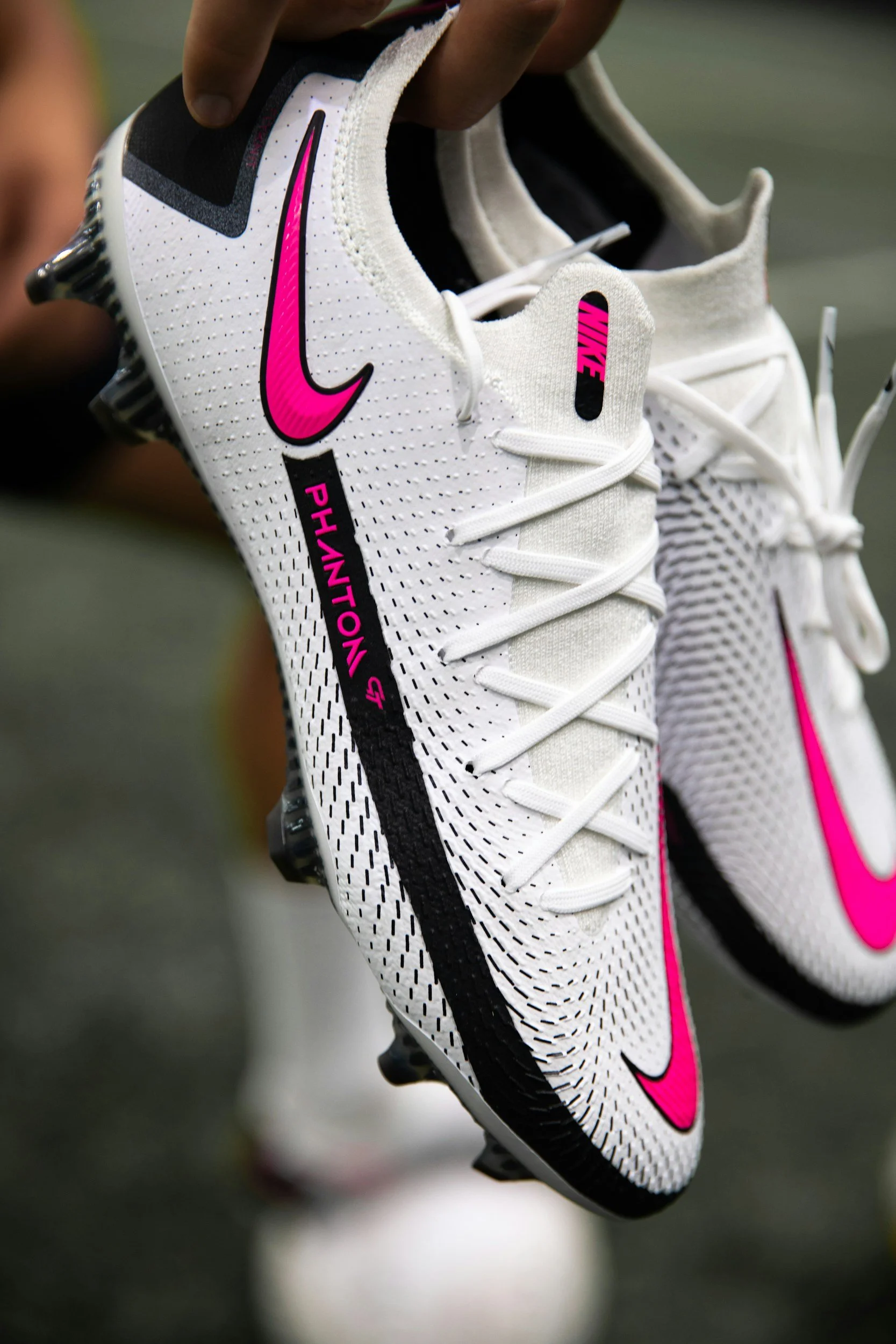
Credit: Philip Blystone / @spartax10
Today, the platform is not only offering spectacular performances of the world’s greatest footballers but also promoting sustainability in fashion. In recent tournaments, players have been spotted wearing jerseys made from recycled fabrics, with discarded plastic bottles providing innovation and planet care that go hand in hand.
The recycled jerseys made from waste are now worn by some of the biggest celebrity players. The fabric is not only a great fit for our environment, but it is also high-performance, breathable, and sweat-resistant. What players wear on football’s biggest stage influences millions of fans to adopt sustainable fashion and rethink the clothes we wear and what they are made of.
As per the data from North American Outlook Magazine, approximately 75% of the national teams' jerseys for the 2026 FIFA World Cup are manufactured entirely or partially from recycled polyester derived from textile waste rather than raw petroleum. Brands such as Nike and Adidas have launched recycled polyester team kits.
Nike has established a new benchmark for national team uniforms by incorporating cutting-edge cooling technology into its jerseys. In the 2026 FIFA World Cup, players from 12 national teams are wearing Nike jerseys. Some of the Nike-sponsored nations for tournaments include Brazil, England, France, the Netherlands, Croatia, Australia, Canada, etc.
For years, brands like Nike and Puma have incorporated recycled polyester into national team kits. During the 2018 FIFA World Cup, Nike produced jerseys using yarn made from recycled plastic. In the most recent 2026 World Cup, Nike has come up with Aero-FIT kits using highly specialized technology to help athletes stay cool during the hot summer tournament.
The Aero-FIT training collection apparel is made from one hundred percent textile waste with advanced chemical engineering and a process that resulted in recycled polyester yarn as good as a raw fabric material.
Adidas is another main sponsor of many team jerseys made out of recycled polyester derived from both plastics and textile waste. Some of the top players, including Lionel Messi (Argentina), Lamine Yamal (Spain), and Takefusa Kubo (Japan), are seen wearing Adidas jerseys.
The visibility of players wearing recycled material jerseys has a clear message—sustainable fashion is the new standard and way forward in fashion. Adidas integrated polyester made from pre-consumer textile waste into Climacool fabric. The finest touches such as hem and collar areas of jerseys for teams like Germany and Spain are made out of 100% recycled polyester.
Producing recycled polyester has several environmental benefits, as it requires less energy than manufacturing a standard polyester from petroleum. With the depleting fossil fuel of the planet, it is imperative to find alternative sustainable fashion while also reducing the carbon footprint.
By creating the demand for recycled material on a global stage such as the FIFA World Cup, initiatives like these help demonstrate that textile waste can be converted to high-performance fabrics and reduce the reliance on traditional resources that use a vast amount of energy for fabric production. The 2026 World Cup is a key milestone in the advancement of the engineering fabric using waste material and promoting widespread industry production.
The commitment to recycled materials extends beyond the main jersey fabric. Manufacturers are increasingly using recycled polyester in collars, sleeve trims, labels, stitching, and performance tapes, reducing the environmental footprint of every component of the uniform. Adidas suppliers have also introduced recycled warp-knit tapes used in the collars and hems of several national team jerseys, demonstrating that sustainability now reaches every detail of elite sportswear.
Cover Image: Fauzan Saari / @fznsr_