
CIRCULAR FASHION GOES MAINSTREAM: NIKE DEBUTING KITS MADE FROM TEXTILE WASTE IN 2026 WORLD CUP
By: Prachi Khatri
The global fashion industry has long been criticized for the linear fashion model of "take-make-waste." But the world’s biggest sporting event, the FIFA World Cup, may be the major turning ground. The 2026 FIFA World Cup is all set up to accelerate circular fashion into the mainstream, with Nike debuting the new “Aero-KIT” crafted from 100% textile waste.
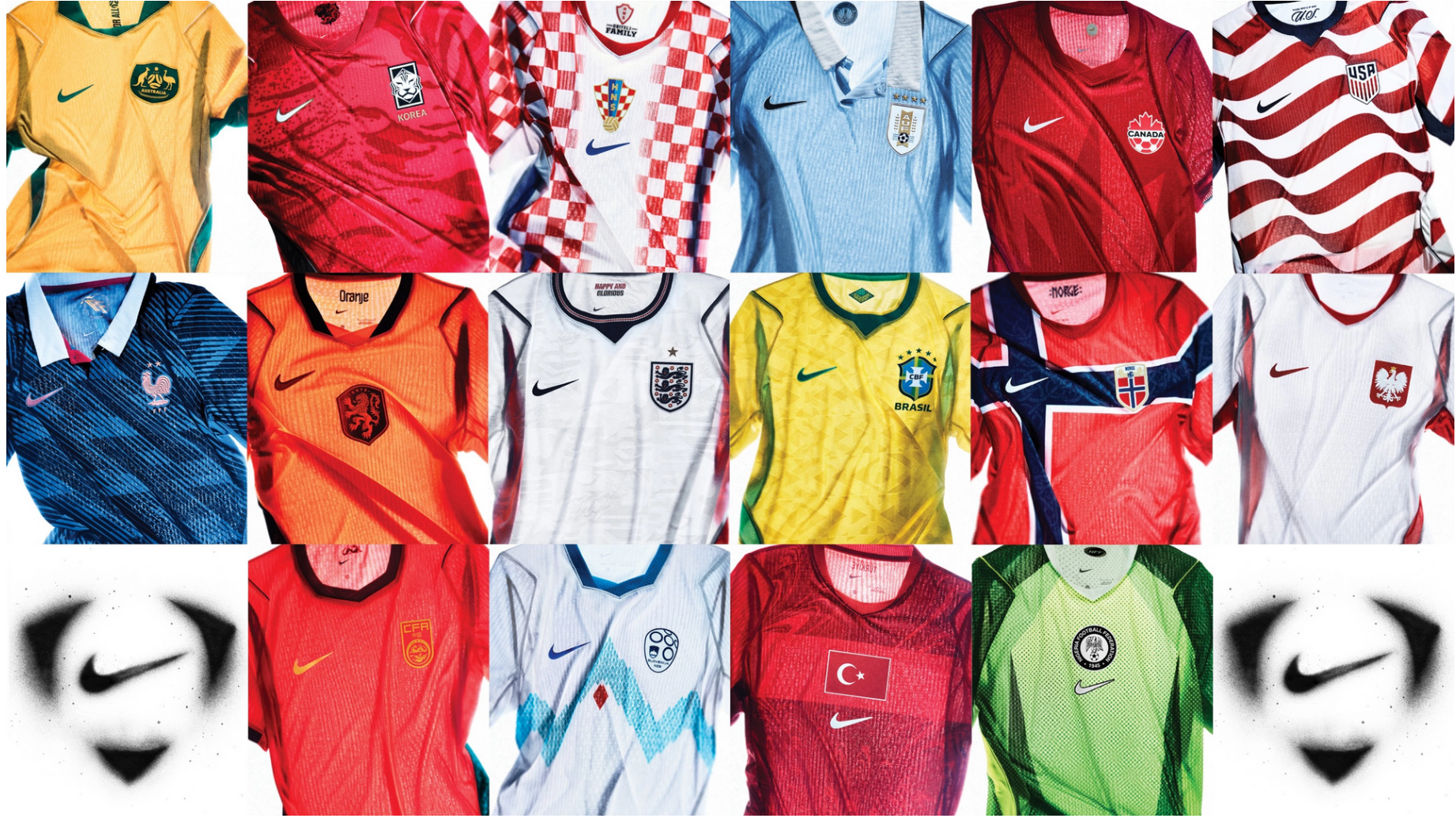
Top teams like Brazil, France, and England will be using Nike kits made from one hundred percent recycled material on the global stage. This represents a major shift in what fashion wants to influence on the world stage. It’s a leap towards a closed-loop system when old materials are replaced by my high-performance fabrics, regular plastic with recycled alternatives, and much more.
Margining pinnacle innovation to the world's biggest game stage, Nike is setting new standards for national team kit designs. In March 2026, Nike launched its collection for France, Croatia, Turkey, Poland, Nigeria, and China.
Amy Montagne, President, Nike, quotes on the official website, “Our national team kits start with the athletes who wear them and the fans who stand behind them. These players carry a nation on their backs, and their kits travel with football culture far beyond the pitch. These kits bring the best of Nike together with an apparel innovation designed to remove climate as a variable for athletes and design that reflects a deep connection to each federation’s DNA—creating something athletes feel proud to wear and fans feel truly connected to."
Source: NiKE website
Chemical recycling has a major role to play in the fashion industry’s waste problem. The soccer uniforms, expected to make their debut in the 2026 FIFA World Cup, use recycled material and discarded textiles to create high-performance polyester. The process involves breaking down old fabric into molecular components and rebuilding them into new material that is breathable and doesn’t irritate skin from all the sweat.
Nike previously has also used plastic bottles for curating kits. The Aero-FIT kits are powered by engineered fabric through advanced chemical engineering. This textile-to-textile recycling is the cornerstone of circular fashion, unlike traditional sustainable practices that depend heavily on downcycling. Nike has expanded this strategy by gathering large amounts of textile waste and reusing it in manufacturing processes. So practically, a jersey you are wearing today could end up as a new World Cup uniform tomorrow.
The Aero-FIT kit is designed for extreme weather conditions, high temperatures, and adverse playing conditions in the field. Engineered mesh increases the ventilation and gives fabric a cooling effect, making it a suitable fabric for players to wear. Also, the new virgin fabric provides moisture control from an advanced yarn structure, hence preventing it from clinging to skin.
Embedded designs are integrated into the fabric itself rather than printing on top to always leave the fabric breathable. All these features make the new Nike kit ideal for elite athletes to use as they feel lighter and more efficient.

Source: NiKE website
Nike pushing circular fashion to reality could ripple across the fashion industry. If successful, this shift could make the old garment markets be treated as valuable raw material while transforming industry carbon footprints. This move could help demonstrate the viability of circular fashion athletic wear and high-performance apparel.
The fashion industry is responsible for 8-10% of global carbon emissions every year and is expected to increase by over 50% by 2030. Our fashion industry needs more such initiatives like Nike to protect the environment and reduce wastage. As the 2026 World Cup approaches, Nike’s Aero-KITs are set to take the world stage and upgrade the way we consume sportswear. Turning waste into highly innovative fabrics, this approach could pave the way to a truly circular future.