
By: Erica Commisso
When you’re shopping at a brand like BEDI or Finisterre, there’s more to the goodness of the pieces than just the sustainable materials - they’re also leading the charge in reducing waste through clothing buyback programs.
The concept is as simple as it sounds: BEDI, for example, guarantees lifetime wearability for its timeless and durable designs but, if a shopper wants to try a new product, the brand offers a 25% credit to be used on another piece of equal value through its Second Life program. It then sells the returned pieces, which are still in good condition, at a discounted rate on its website to further reduce waste and create a more circular lifespan for its goods.
Source: finisterre.com
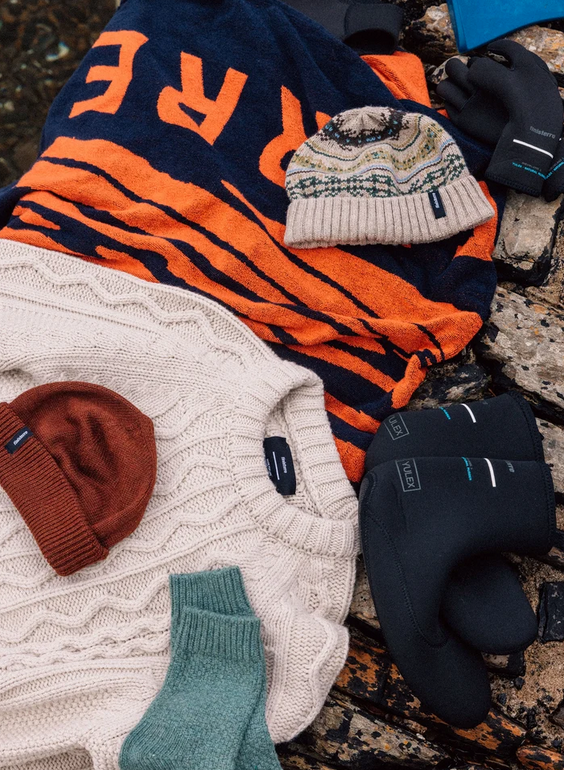
Finisterre, the British surfwear and active outerwear brand, employs a similar system. The Lived & Loved initiative uses several techniques like repairs, takebacks, resale, and product care in an effort to upcycle or recycle a customer’s old Finisterre gear, operating under the belief that the most sustainable pieces of clothing are the ones that are already in people’s closets. The brand’s website also offers how-to videos on making repairs at home and tutorials for caring for the products to increase their longevity, aimed at those who would rather not buy new things for any given reason.
Finisterre also partnered with Reskinned, another UK-based brand, for the takeback and resale aspects of the Lived & Loved program, all with the aim of creating a zero-landfill, circular economy that aligns with Finisterre’s sustainable values.
Of course, both brands are already deeply committed to sustainability and point to environmental consciousness as a core part of their brand ethos. They use recycled and natural materials, regenerative cotton and wool, and other fabrics that cause no damage to the environment, like salvaged textiles and cruelty-free insulation, give back through charitable initiatives, produce the goods locally in small batches, and reduce the waste outputs in production of the garments, but the giveback initiatives allows for further reductions to their waste emissions and allows them to create a more circular system for their clothing.
Reskinned, for its part, runs a buyback program for some of the most celebrated brands in the UK, but perhaps the most well-known newer versions of the program comes from iconic Parisian brand A.P.C, which offers credit notes of up to 30 euros for returned garments.
These programs are also increasingly common in brands in the United States and Canada, popularized by the likes of major brands like Madewell, Lululemon, Levi’s, Carhartt, Patagonia (which boasts one of the most iconic buyback programs in the USA and on the planet, from a trailblazer in sustainability and an early adopter of the buyback program and environmental initiatives) and even designer Eileen Fisher. Of course, the specific terms of the buyback program depend on the brand itself, but the throughline is clear in the intention of the program: Each garment that enters the buyback program is removed from landfills, therefore reducing waste and creating a more circular fashion environment with a more positive impact on the planet.
Cover Image Credit: Jonathan Adams / @jonathanadamsphoto