
AGE IS THE NEW FRONTIER: THE RISE OF 40+ RUNWAY MODELS
For many decades, fashion has operated on an unsaid rule that “youth sell." Runway walks were reserved for models that fit the unrealistic body size, slim waist and zero curves. Most models were barely out of their teens, and by the time they reached their thirties, their modeling careers were over for them. Young girls tried to cut their meals to a bare minimum trying and fit the stereotypical model size. It is no secret that the industry would push them if they were not the "right size." Rather than celebrating age, it was often unseen on the runway.
Today, the fashion industry is undergoing a major shift and heavily embracing models of any age, whether in their 40s, 50s, or 60s. Top fashion brands like Chanel, Bottega, and Balenciaga are showcasing models with grey hair, reminding us of the rich character of life lived. Recently Paris Fashion Week saw a powerful runway at L'Oréal Paris's womenswear spring/summer 2026 fashion show, where women 60+ rocked the runway, proving that age is just a number.
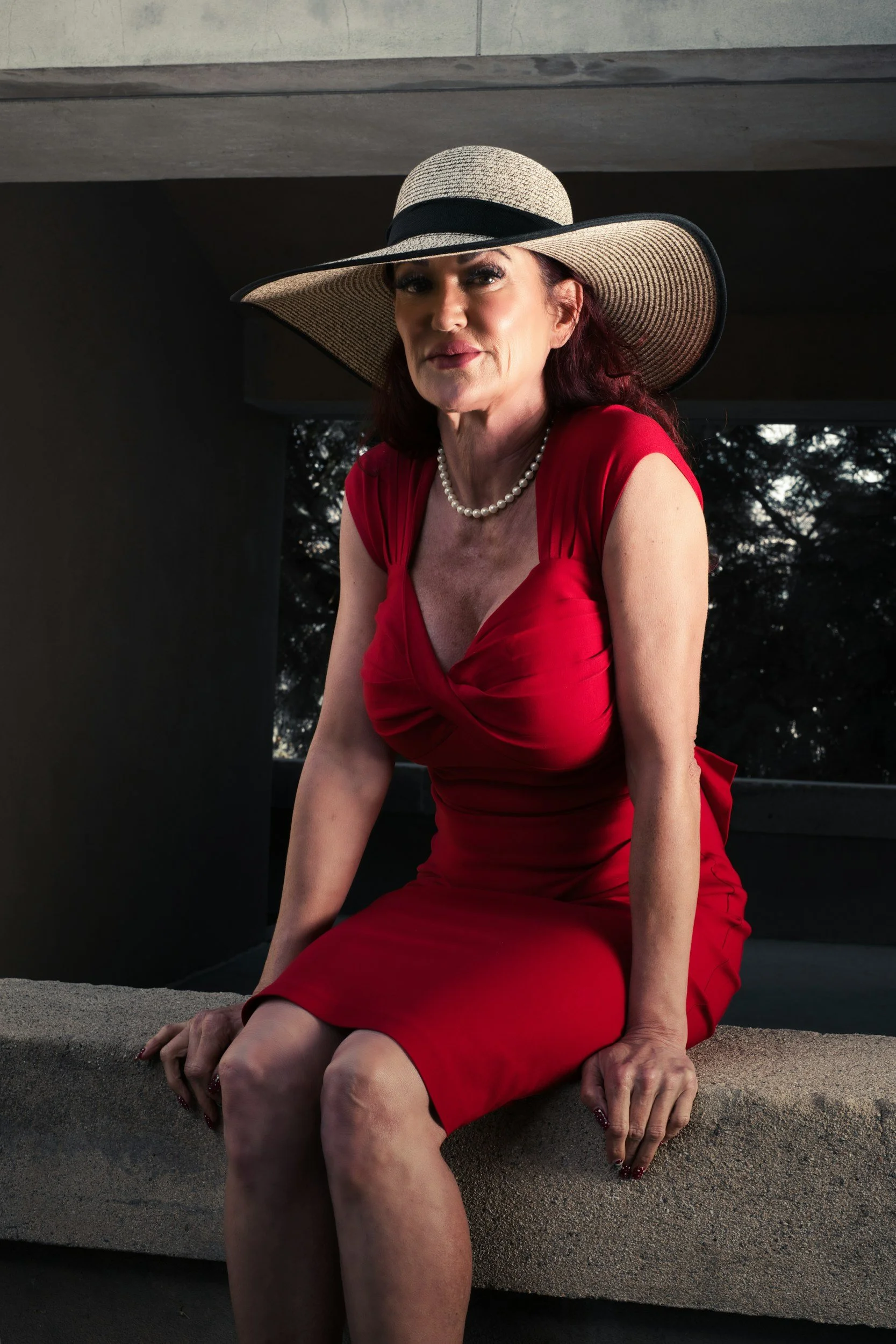
Realistically there should not be an age barrier to what is. considered beautiful. Women in their forties returning to the spotlight is a powerful representation of how beauty is perceived in today's age. The rise of 40+ runway models reflects that the fashion industry has surpassed the era of adaptation and is entering a new era of visible inclusivity.
As a quote by Mahatma Gandhi says, "Be the change you want to see in the world." Older models bringing themselves on the ramp walks is a practical example of just that. They are free from cultural bounds, respecting their bodies as they are and not trying to fit in. Older models are bringing a change in the industry that is refreshing to see, as they are authentic, unapologetic, and admiring their realities without illusion.
The fashion industry is historically built around narrow standards that women had to shrink to meet the expectations. From the 1980s to the early 2000s, an ideal runway show was all about young, youthful, and ultra-thin models from the age of 18 to 25 years. Stylists sought after “fresh faces," and agencies routinely considered women in their late 20s as “too old." It was up until the late 2000s that women in their 50s only counted for a fraction of the models.
But are the fashion houses really growing up? Batsheva, a New York-based designer, only selected models aged 40+ for her entire lineup in spring/summer in 2024. Bathsheva, 42 at the time, experienced a sense of separation from her relationship with fashion and the youthful orientation of the fashion world. She wanted to express her relationship with other mature women to showcase that her designs have no age limit.

Credit: Dexter Din / @maxt123
"Clothes are just what they are, and there should not be any connection between the intent of designs and age of the model themselves," as described by Beth K on her YouTube channel @infinitegardenbyBethK.
The consumers who often invest in luxury clothing or higher-end fabric quality are women in their 40s. They prefer to buy premium clothes, spending their time, attention, and money on garments that are well constructed. Fast fashion can be dangerous for the environment but is an obsession for teenagers and the younger generation. Brands are slowly realizing the disconnect of what a runway fails to represent with young women.
The fashion industry is embracing age diversity as grown women are taking space in the industry after years of invisibility. Elle magazine recently noted women in their 40s to 60s ruling the fashion month on runways. What was once considered radical is slowly normalizing and opening doors for models who were told previously that their career is over.
Representation changes perception, and perception shapes culture.